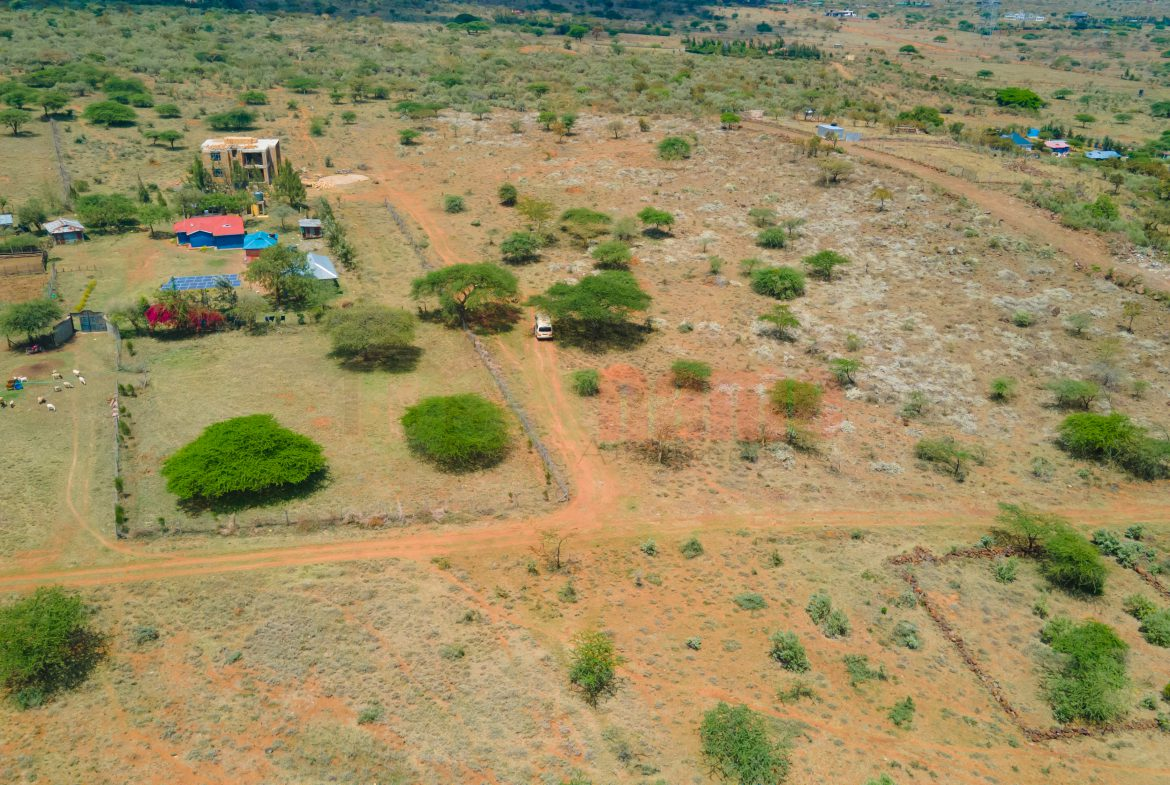
The Vineyard Ngong Phase 2 is emerging as one of the notable land investment opportunities in Kimuka, Kajiado, as investors continue shifting toward satellite towns surrounding Nairobi. Priced from KES 1.1 million per eighth acre, the project targets buyers seeking affordable land ownership, long-term capital appreciation, and future residential development potential.
Located in Kimuka within Kajiado County, the project positions itself within the broader Ngong growth corridor, an area that has experienced increasing demand due to urban expansion, infrastructure development, and rising land prices closer to Nairobi.
For Kenyan investors, land remains one of the most trusted wealth-building assets. However, not every project offers the same level of security, accessibility, or future value. Understanding title status, infrastructure quality, developer credibility, and long-term growth trends is therefore critical before committing capital.
About The Vineyard Ngong Phase 2
The Vineyard Ngong Phase 2 offers subdivided land parcels measuring approximately one-eighth of an acre.
| Feature | Details |
|---|---|
| Project Name | The Vineyard Ngong Phase 2 |
| Location | Kimuka, Kajiado |
| Starting Price | KES 1.1 Million |
| Plot Size | ⅛ Acre |
| Infrastructure | Graded access roads |
| Title Status | Ready title deeds |
| Investment Type | Residential land investment |
The availability of ready title deeds significantly improves investor confidence because land fraud and delayed title processing remain major concerns within Kenya’s real estate market.
Why The Vineyard Ngong Phase 2 Matters
Land in Kajiado County has increasingly attracted middle-income investors looking for lower entry costs compared to Nairobi and Kiambu.
Several factors continue driving demand:
- Expansion of Nairobi commuter zones
- Improved road connectivity
- Rising urban population
- Demand for affordable housing
- Growth of gated residential developments
Kimuka particularly benefits from its positioning along the Ngong-Suswa growth corridor, which continues to attract speculative and residential investors.
Infrastructure and Accessibility
Infrastructure often determines whether land appreciates steadily or stagnates.
The Vineyard Ngong Phase 2 includes graded access roads, an important feature because accessibility directly affects both usability and resale value.
Why Roads Matter in Land Investment
Good access roads improve:
- Construction convenience
- Property visibility
- Transport efficiency
- Future buyer demand
- Utility installation potential
Investors should still physically visit the site to assess:
- Road quality during rainy seasons
- Distance from tarmac roads
- Water availability
- Electricity connectivity
- Terrain suitability
Site visits remain essential even when marketing materials appear attractive.
Understanding the Pricing Structure
At approximately KES 1.1 million per eighth acre, the project targets entry-level and mid-level investors.
Typical Land Acquisition Process
| Step | Description |
|---|---|
| Research | Verify title status and developer reputation |
| Site Visit | Inspect infrastructure and surroundings |
| Negotiation | Discuss payment terms and deposit |
| Agreement | Sign sale agreement |
| Due Diligence | Conduct official land searches |
| Transfer | Register ownership at Lands office |
Most Kenyan land projects require deposits ranging between 10% and 30%.
Some developers also offer installment plans, although buyers should confirm whether installment purchases affect transfer timelines.
Risks to Consider Before Investing
While land remains attractive, investors should evaluate potential risks carefully.
Title and Ownership Verification
Even when projects advertise ready title deeds, buyers should independently confirm:
- Authenticity of titles
- Land registry records
- Survey maps
- Encumbrances or disputes
A lawyer specializing in property transactions should handle due diligence before payments are finalized.
Speculative Pricing Risk
Some satellite-town land projects experience rapid speculative pricing that outpaces actual infrastructure development.
This creates situations where:
- Resale demand weakens
- Appreciation slows
- Infrastructure delays reduce value growth
Investors should therefore focus on long-term holding potential rather than short-term flipping expectations.
Comparing The Vineyard Ngong Phase 2 to Other Land Investments
| Factor | Kajiado Satellite Land | Nairobi Land |
|---|---|---|
| Entry Cost | Lower | Very High |
| Appreciation Potential | High | Moderate |
| Infrastructure Development | Growing | Mature |
| Risk Level | Medium | Lower |
| Affordability | Better | Limited |
Kajiado projects often appeal to younger investors and first-time buyers because of affordability advantages.
Who Should Invest?
The Vineyard Ngong Phase 2 may suit:
- First-time land buyers
- Long-term investors
- Diaspora investors
- Future home builders
- SACCO-backed property buyers
It may especially appeal to investors seeking gradual wealth accumulation through land appreciation.
However, buyers seeking immediate rental income may prefer apartments or commercial real estate instead.
Long-Term Wealth Creation Potential
Land historically performs well in expanding urban corridors.
The broader Ngong and Kajiado region has seen increasing demand due to:
- Population growth
- Affordable housing demand
- Nairobi congestion
- Infrastructure expansion
If infrastructure continues improving, land values in Kimuka could benefit over the long term. However, appreciation rates are never guaranteed and depend heavily on economic conditions, infrastructure delivery, and market demand.
Key Questions Investors Should Ask
Before purchasing, investors should confirm:
- Is the title deed immediately transferable?
- Are there hidden legal or processing fees?
- Is the land serviced with utilities?
- Are installment plans available?
- Is the land residential or agricultural?
- Are there zoning restrictions?
- What developments exist nearby?
These questions help reduce investment mistakes that are common within Kenya’s fast-growing land market.
How Kenyan Investors Are Using Land for Wealth Building
Land remains deeply embedded in Kenya’s wealth culture.
Many investors use land to:
- Preserve capital
- Hedge against inflation
- Build retirement wealth
- Develop residential homes
- Secure future family assets
Unlike volatile financial assets, land often provides psychological security for long-term investors.
However, successful investors combine land ownership with diversified financial investments such as MMFs, SACCO savings, Treasury Bills, and equities.
Final Verdict on The Vineyard Ngong Phase 2
The Vineyard Ngong Phase 2 represents an affordable entry point into Kenya’s expanding satellite-town property market. Its ready title deeds and graded access roads strengthen its appeal, particularly for investors seeking long-term appreciation opportunities near Nairobi’s growing commuter belt.
Still, buyers should approach cautiously and complete independent due diligence before committing funds. Land investment success depends not only on price but also on infrastructure growth, legal clarity, accessibility, and future demand.
For beginners, the safest strategy involves:
- Conducting official land searches
- Visiting the site personally
- Consulting a qualified property lawyer
- Comparing nearby projects
- Investing with a long-term mindset
As Kenya’s urban expansion continues, strategically located land in counties such as Kajiado may remain an important part of long-term wealth creation for both individual and SACCO-backed investors.
Read Also: List of Best Real Estate Facility Managers in Nigeria: Top Property Management Services