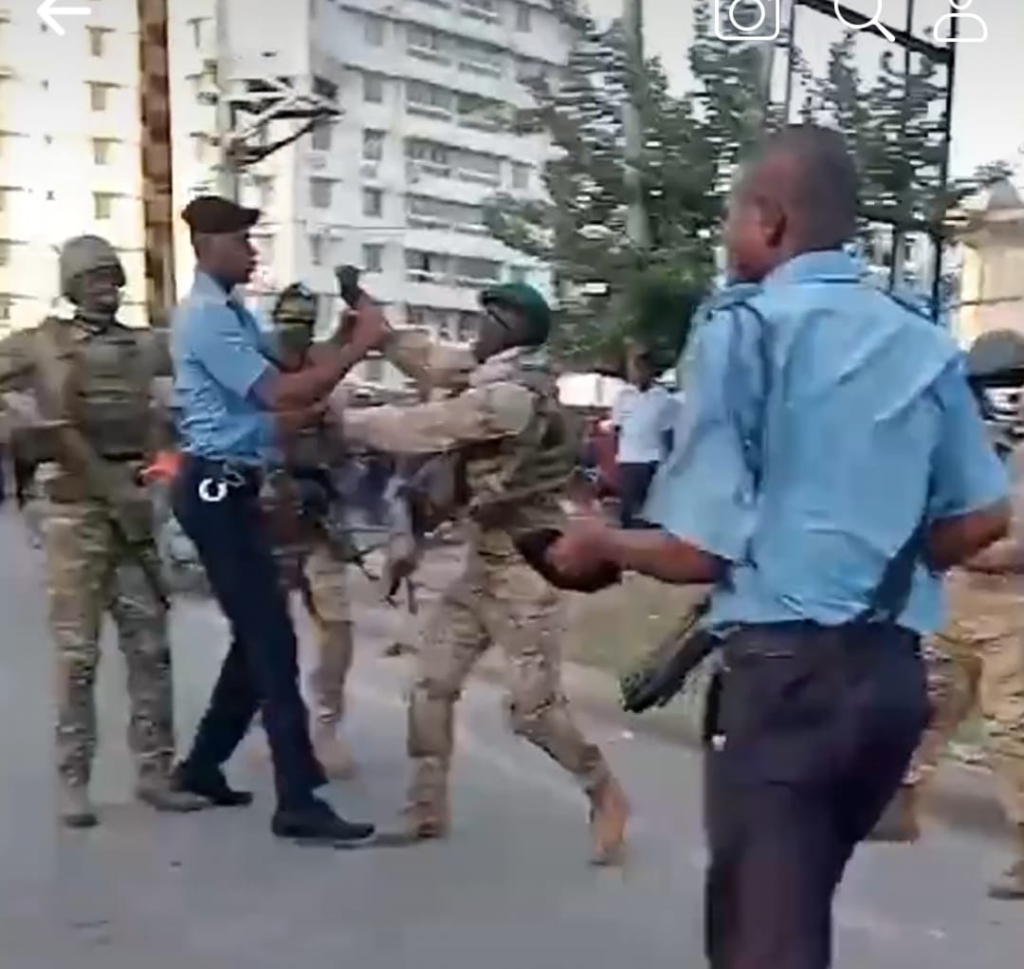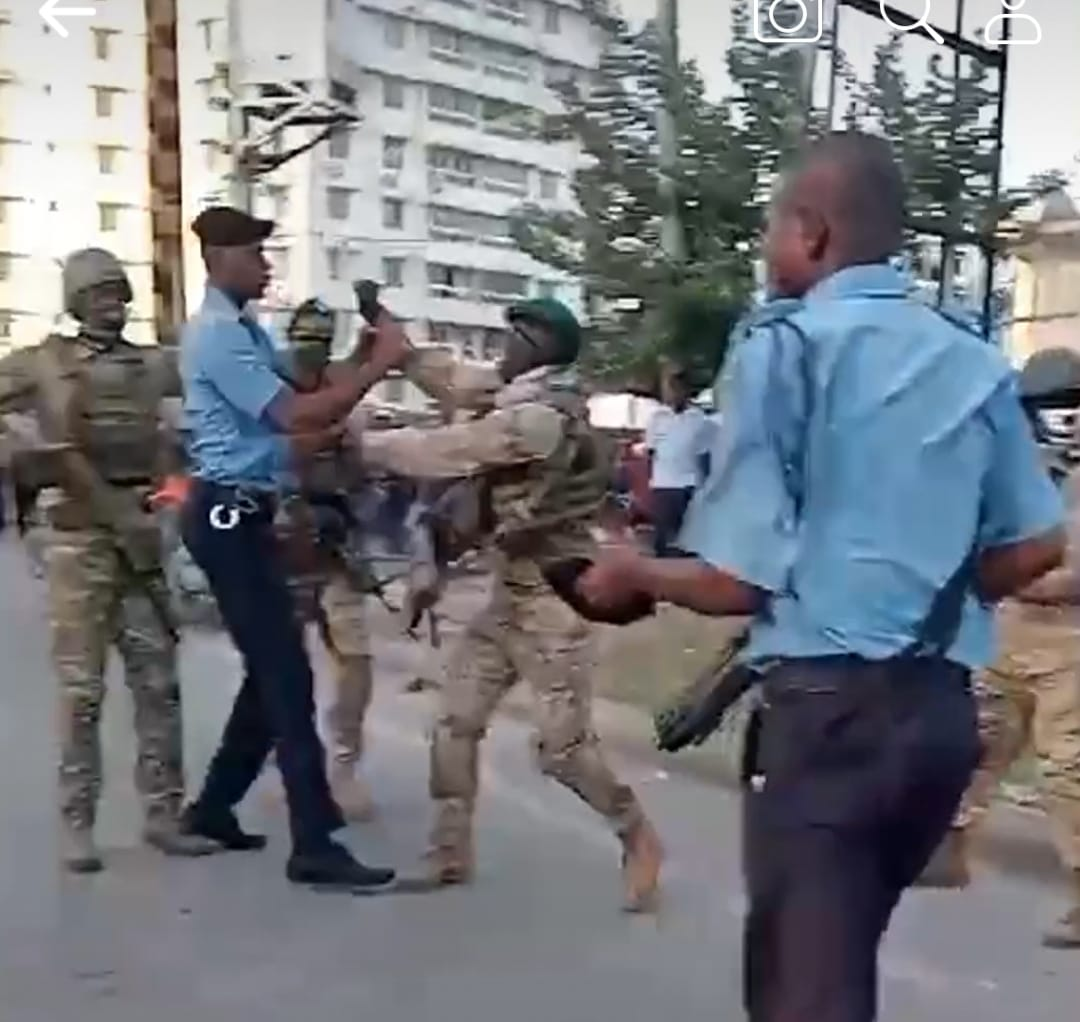
In recent events, disturbing reports have emerged about soldiers acting outside the bounds of both military discipline and civilian law. Such actions include assaulting police officers and obstructing them from performing their duties. This type of behavior blurs the line dangerously close to that of insurgent groups like Joseph Kony’s Lord’s Resistance Army, posing a significant threat not just to public safety but to the state itself.
Military personnel are governed by a strict legal framework that includes international law, laws of armed conflict, and local civil laws, especially when they are outside their barracks. Any deviation from these laws not only undermines military discipline but also jeopardizes the integrity of the state’s security apparatus.
In countries with a history of military coups, such as Nigeria, Uganda, and the Democratic Republic of Congo, conflicts between soldiers and police are more commonplace, reflecting a broader issue of military overreach into civilian matters. This is not just a breach of discipline; it is a fundamental threat to democratic governance and civil authority.
Recent incidents in Kenya, where Kenya Defence Forces (KDF) personnel have allegedly raided police stations, assaulted officers, and facilitated the escape of detainees, are alarming. These actions are symptomatic of a deeper issue tied to the inappropriate use of military personnel in roles that should be reserved for civilian authorities—a trend that started under the previous regime.
This shift in military engagement has potentially grave consequences for democratic institutions and the rule of law. The military’s reported involvement in Kenya’s electoral processes is a case in point, marking a significant departure from its traditional role and undermining public trust in both the military and the electoral process.
The biblical adage from 2 Timothy 2:4, “No one serving as a soldier gets entangled in civilian affairs, but rather tries to please his commanding officer,” underscores the principle that military personnel should remain apolitical and focused on their primary duty of defending the nation, not involving themselves in civilian governance.
It is crucial for leaders such as President Ruto and his deputy Gachagua to take decisive action to restore and reinforce military discipline. Failure to address these issues promptly risks not only further incidents of indiscipline but could also destabilize the very foundations of Kenya’s democratic institutions. Immediate steps must be taken to ensure that the military remains a disciplined and apolitical force in support of the nation’s democratic framework and civil governance.