Understanding Taxation on Rental Income in Kenya
Residential rental income, also known as Monthly Rental Income (MRI), refers to money earned by individuals or companies from renting out residential properties for occupation. The taxation on rental income applies only to residential properties and has been effective since 1st January 2016.
Tax Rate and Filing Requirements
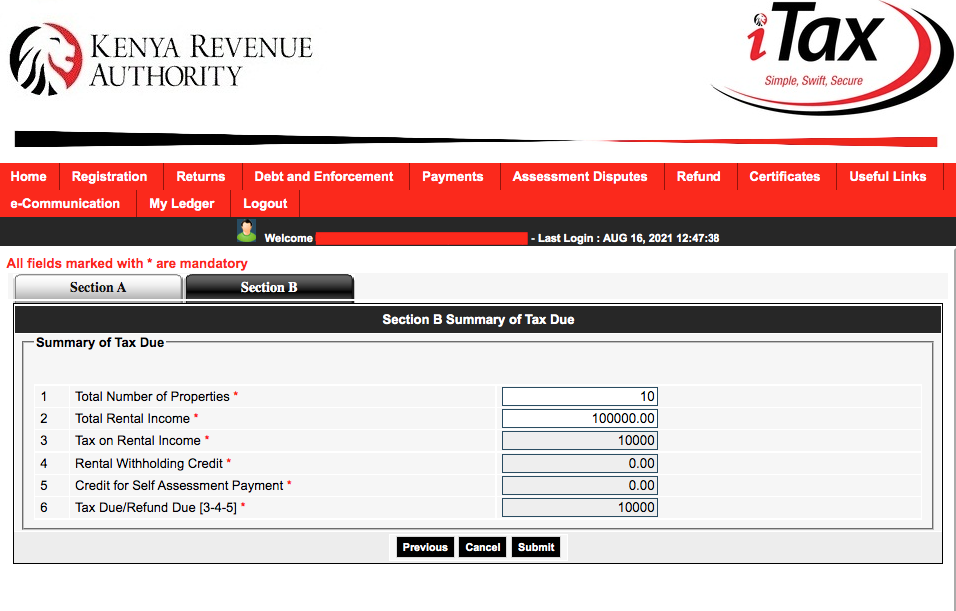
Landlords are taxed at a flat rate of 10% on the gross rent received, with no deductions allowed for expenses, capital allowances, or losses. For example, if a landlord earns Ksh 30,000 in rent in a month, the tax payable is:
📌 10% of Ksh 30,000 = Ksh 3,000
The MRI return must be filed on the iTax portal by the 20th of the following month. For instance, rent received in January should be declared and paid by 20th February.
If no rent is received in a given month, the landlord is still required to file a NIL return.
Who is Eligible for MRI?
As of 1st January 2021, under the amended Finance Act 2020, MRI applies to Kenyan resident landlords earning between:
- Ksh 288,000 and Ksh 15 million per annum
Those earning below Ksh 288,000 or above Ksh 15 million annually must file under the annual income tax regime and include rental income with other sources of income.
Key Points About MRI
- Final Tax: MRI is a final tax. Landlords are not required to declare this income again in their annual income tax returns.
- Exemptions:
- Non-resident landlords
- Landlords earning more than Ksh 15 million per year
- Voluntary Opt-Out: Landlords who prefer the annual rental income tax regime must write to the Commissioner requesting approval.
Common Misconceptions
When computing rental income tax, the following do not matter:
- Size of the property
- Location
- Building materials used
- Age of the property
- Landlord’s personal status
The only factor that matters is the gross rental income received within the defined thresholds.
Final Thoughts
Understanding and complying with the taxation on rental income is essential for all residential landlords in Kenya. Timely registration, filing, and payment help you avoid penalties and contribute to national development goals.
To stay compliant:
- Track your rental income monthly
- File MRI returns by the 20th of every month
- Pay 10% of the gross rent earned