


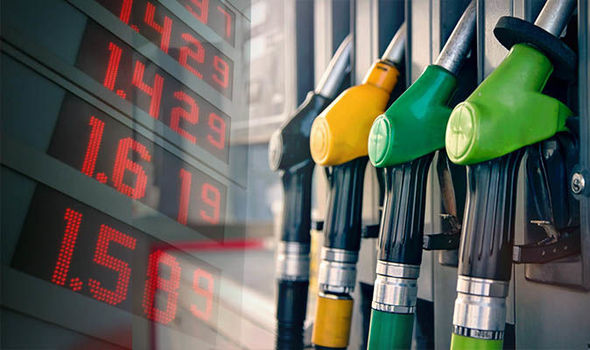
Switzerland fuel prices remain among the highest in Europe as Alpine transportation logistics, imported energy dependency, environmental policies, and European market conditions continue shaping household affordability and industrial competitiveness. Gasoline, diesel, LPG, ethanol, electricity, and natural gas prices directly influence transportation, logistics, manufacturing, tourism, financial services, heating systems, and consumer spending across the Swiss economy.
As one of the world’s wealthiest economies, Switzerland maintains advanced transportation infrastructure, strong industrial production, a globally significant financial sector, and high living standards. Energy pricing therefore plays a major role in transportation costs, industrial competitiveness, infrastructure operations, and household expenditure.
Electricity and natural gas pricing remain especially important because Switzerland depends heavily on hydropower, nuclear generation, imported energy systems, and winter heating demand. Transportation fuel costs also significantly affect tourism, freight logistics, aviation, and cross-border trade networks.
Switzerland fuel prices therefore provide important insight into European energy markets, Alpine transportation economics, industrial competitiveness, environmental policy, and the broader direction of the Swiss economy. Fuel are any materials that can react with other substances to release energy as thermal energy or to be used for work. The concept was originally applied solely to those materials capable of releasing chemical energy but has since also been applied to other sources of heat energy, such as nuclear energy (via nuclear fission and nuclear fusion).
Read Also: Slovakia Fuel Prices and Energy Costs
Current Fuel Prices in Switzerland
The table below shows the latest available fuel and electricity prices in Switzerland.
| Fuel Type | Date | Price (CHF) | Price (USD) | Unit |
|---|---|---|---|---|
| Gasoline (Octane-95) | 18 May 2026 | 1.888 | 2.393 | Per liter |
| Diesel | 18 May 2026 | 2.148 | 2.723 | Per liter |
| LPG | 18 May 2026 | 1.139 | 1.444 | Per liter |
| Ethanol | 18 May 2026 | 1.743 | 2.209 | Per liter |
| Electricity (Households) | 1 Sept 2025 | 0.31 | 0.393 | Per kWh |
| Electricity (Business) | 1 Sept 2025 | 0.237 | 0.300 | Per kWh |
| Natural Gas (Households) | 1 Sept 2025 | 0.147 | 0.186 | Per kWh |
| Natural Gas (Business) | 1 Sept 2025 | 0.123 | 0.156 | Per kWh |
Diesel currently remains significantly more expensive than gasoline in Switzerland.
Current Electricity Prices in Switzerland
Electricity pricing remains central to Switzerland’s economy and infrastructure systems. Residential electricity currently averages 0.31 CHF per kWh, while businesses pay approximately 0.237 CHF per kWh.
Residential Electricity Costs
Swiss households rely heavily on electricity for lighting, appliances, heating systems, internet infrastructure, and electric mobility.
Electricity affordability remains important despite the country’s high income levels.
Business Electricity Costs
Commercial electricity pricing strongly affects manufacturing, banking infrastructure, logistics, tourism, and industrial operations.
Reliable electricity remains critical for Switzerland’s advanced economy.
Hydropower and Nuclear Energy
Hydropower and nuclear generation remain central pillars of the Swiss electricity system.
Current Natural Gas Prices in Switzerland
Natural gas remains important within Switzerland’s energy system. Household natural gas currently averages 0.147 CHF per kWh, while businesses pay approximately 0.123 CHF per kWh.
Residential Heating Demand
Natural gas remains widely used for household heating systems.
Commercial and Industrial Usage
Businesses and industrial systems consume substantial natural gas volumes.
European Gas Market Exposure
Regional European gas market conditions strongly affect Swiss pricing.
Why Fuel Prices Are High in Switzerland
Several major factors influence Switzerland fuel prices.
Read Also: Romania Fuel Prices and Electricity Costs
High Living Standards and Operating Costs
Switzerland’s high-income economy contributes to elevated transportation and infrastructure costs.
Imported Petroleum Dependency
Switzerland imports most transportation fuels and petroleum products.
Alpine Transportation Logistics
Mountain geography increases transportation and freight distribution expenses.
Environmental and Climate Policies
Environmental regulations and emissions policies contribute to fuel taxation and pricing.
Strong Currency Effects
The Swiss franc influences pricing structures and import costs.
Gasoline Prices in Switzerland
Gasoline prices currently average 1.888 CHF per liter or approximately $2.393 USD per liter.
Transportation Costs
Fuel prices strongly affect commuting expenses and transportation budgets.
Cross-Border Mobility Demand
Switzerland’s central European location creates strong transportation and trade activity.
Urban Transportation
Cities such as Zurich, Geneva, and Basel continue experiencing strong transportation demand.
Diesel Prices in Switzerland
Diesel currently costs approximately 2.148 CHF per liter.
Freight and Cargo Transportation
Diesel powers freight systems, logistics operations, buses, and industrial transportation networks.
Tourism and Alpine Logistics
Tourism infrastructure and mountain transportation systems consume substantial diesel volumes.
Industrial and Construction Demand
Manufacturing and construction sectors rely heavily on diesel-powered equipment.
Supply Chain Costs
Diesel pricing strongly affects imported goods transportation and logistics expenses.
LPG and Ethanol Prices
Alternative fuels remain important within Switzerland’s energy market.
Read Also: Netherlands Fuel Prices and Energy Costs
LPG as a Lower-Cost Fuel
LPG remains cheaper than gasoline and diesel.
Ethanol and Renewable Transportation
Switzerland continues supporting cleaner transportation fuel alternatives.
Sustainability and Emissions Reduction
Alternative fuels remain important for climate and environmental goals.
Energy Diversification
Authorities continue promoting diversified transportation energy systems.
Electricity Prices and Renewable Infrastructure
Electricity remains one of Switzerland’s most strategically important infrastructure sectors.
Hydropower Leadership
Hydropower contributes significantly to domestic electricity generation.
Nuclear Energy Stability
Nuclear power remains important for electricity reliability and energy security.
Renewable Energy Expansion
Solar and renewable energy projects continue expanding gradually.
Electric Vehicle Infrastructure
EV adoption continues increasing electricity demand nationwide.
How Switzerland Compares to Other Countries
Switzerland fuel prices remain among Europe’s highest.
Compared With Austria
Austria faces similar Alpine transportation and winter energy challenges.
Compared With Germany
Germany generally experiences comparable industrial electricity demand and transportation costs.
Compared With France
France benefits from extensive nuclear electricity infrastructure but faces similar fuel taxation pressures.
Read Also: Malta Fuel Prices and Electricity Costs
Compared With Global Averages
Swiss transportation fuel prices remain significantly above global averages.
Economic Impact of Fuel Prices in Switzerland
Energy prices strongly influence Switzerland’s broader economy.
Household Cost of Living
Transportation and utility expenses contribute to Switzerland’s high living costs.
Industrial Competitiveness
Manufacturing industries remain sensitive to electricity and fuel pricing.
Tourism and Transportation Operations
Diesel and gasoline prices strongly affect transportation and tourism infrastructure costs.
Inflation and Consumer Prices
Energy costs contribute to broader inflationary pressure.
Sustainability and Green Energy Investment
Higher fossil fuel costs continue accelerating renewable energy adoption.
Government Policies Affecting Fuel Prices
Government policy remains central to Switzerland’s energy market.
Climate and Sustainability Goals
Switzerland continues pursuing ambitious emissions-reduction targets.
Renewable Energy Investment
Authorities continue supporting hydropower, solar, and sustainable infrastructure.
Transportation Electrification
Electric vehicle infrastructure continues expanding nationwide.
Read Also: Liechtenstein Fuel Prices and Electricity Costs
Energy Security Measures
Maintaining stable electricity supply remains a strategic national priority.
Future Fuel Price Forecast for Switzerland
The outlook for Switzerland fuel prices depends heavily on European energy markets and climate policy.
Oil and Gas Market Trends
International energy prices will continue influencing transportation and heating costs.
Renewable Energy Expansion
Renewable investment may improve long-term electricity resilience.
Electric Vehicle Adoption
EV growth may gradually reduce gasoline demand over time.
European Energy Market Stability
Regional energy policy and inflation trends will continue shaping pricing structures.
Frequently Asked Questions About Fuel Prices in Switzerland
Why are fuel prices high in Switzerland?
Imported petroleum dependency, Alpine logistics, environmental policies, and high living costs contribute to elevated fuel prices.
What is the current gasoline price in Switzerland?
Gasoline prices currently average 1.888 CHF per liter or approximately $2.393 USD per liter.
Why is diesel more expensive than gasoline?
Strong freight, industrial, transportation, and logistics demand contribute to higher diesel pricing.
Why is electricity important in Switzerland?
Electricity supports households, manufacturing, financial infrastructure, tourism, and transportation systems.
Does Switzerland use renewable energy extensively?
Yes. Switzerland relies heavily on hydropower and continues expanding renewable energy investment.
Are fuel prices expected to remain high in Switzerland?
Future prices will depend on oil markets, climate policy, renewable expansion, and European energy conditions.
Read Also:Iceland Fuel Prices and Electricity Costs
Conclusion
Switzerland fuel prices remain closely connected to imported petroleum dependency, Alpine transportation logistics, environmental policy, and broader European energy market conditions. Gasoline, diesel, LPG, ethanol, electricity, and natural gas costs continue influencing transportation expenses, industrial competitiveness, household affordability, and economic growth across the country.
Although Switzerland continues facing elevated transportation fuel and electricity costs, its strong infrastructure, hydropower generation, nuclear electricity capacity, and economic stability remain important long-term strengths. Renewable energy expansion and transportation electrification continue reshaping the country’s energy landscape.
Looking ahead, Switzerland’s energy future will depend on renewable energy investment, infrastructure modernization, transportation electrification, and broader European market stability. Monitoring Switzerland fuel prices therefore remains essential for understanding both domestic economic conditions and the evolving Alpine energy landscape.
Read Also: France Fuel Prices and Energy Costs


