


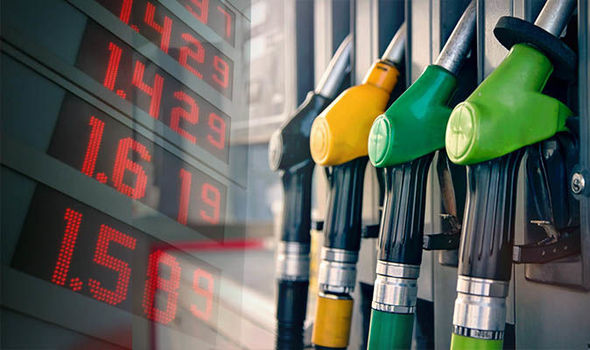
Romania fuel prices remain an important economic indicator as inflation, transportation demand, imported energy costs, and European energy market volatility continue shaping household affordability and industrial competitiveness. Gasoline, diesel, LPG, heating oil, and electricity prices directly influence transportation, manufacturing, logistics, agriculture, household budgets, and consumer spending across the Romanian economy.
As one of Eastern Europe’s largest economies, Romania maintains a diverse energy system that includes domestic oil and gas production, electricity generation, industrial manufacturing, and expanding transportation infrastructure. Despite domestic resources, the country still remains strongly affected by regional European energy market conditions and global oil price fluctuations.
Transportation fuel pricing remains especially important because Romania relies heavily on road freight logistics, agriculture, industrial transportation, and private vehicle usage. Electricity affordability also plays a major role in supporting households, manufacturing industries, digital infrastructure, and commercial operations.
Romania fuel prices therefore provide important insight into inflation trends, Eastern European energy markets, transportation affordability, industrial development, and the broader direction of the Romanian economy.
Current Fuel Prices in Romania
The table below shows the latest available fuel and electricity prices in Romania.
| Fuel Type | Date | Price (RON) | Price (USD) | Unit |
|---|---|---|---|---|
| Gasoline (Octane-95) | 18 May 2026 | 9.25 | 2.053 | Per liter |
| Diesel | 18 May 2026 | 9.71 | 2.155 | Per liter |
| LPG | 18 May 2026 | 4.396 | 0.976 | Per liter |
| Heating Oil | 18 May 2026 | 6.939 | 1.540 | Per liter |
| Electricity (Households) | 1 Sept 2025 | 1.306 | 0.290 | Per kWh |
| Electricity (Business) | 1 Sept 2025 | 1.048 | 0.233 | Per kWh |
Diesel currently remains more expensive than gasoline in Romania.
Current Electricity Prices in Romania
Electricity pricing remains central to Romania’s economy and industrial infrastructure. Residential electricity currently averages 1.306 RON per kWh, while businesses pay approximately 1.048 RON per kWh.
Residential Electricity Costs
Romanian households rely heavily on electricity for lighting, appliances, heating systems, cooling systems, and digital infrastructure.
Electricity affordability remains important because of inflationary pressure and rising living costs.
Business Electricity Costs
Commercial electricity pricing strongly affects manufacturing, agriculture, logistics, technology infrastructure, and industrial operations.
Competitive electricity pricing remains important for export industries and investment.
Domestic Electricity Generation
Romania benefits from a diversified electricity generation system including hydroelectric, nuclear, thermal, and renewable energy sources.
Why Fuel Prices Matter in Romania
Several major factors influence Romania fuel prices.
Regional European Energy Market Volatility
European energy market instability strongly affects domestic fuel and electricity pricing.
Transportation and Logistics Demand
Romania’s expanding logistics and transportation networks consume substantial fuel volumes.
Industrial and Agricultural Energy Needs
Manufacturing and agriculture remain highly dependent on fuel affordability.
Imported Petroleum Products
Romania still imports certain petroleum products despite domestic production capacity.
Inflationary Pressure
Transportation fuel costs continue contributing heavily to consumer inflation.
Gasoline Prices in Romania
Gasoline prices currently average 9.25 RON per liter or approximately $2.053 USD per liter.
Transportation Costs
Fuel prices strongly affect commuting expenses and household transportation budgets.
Urban Mobility Demand
Cities such as Bucharest, Cluj-Napoca, and Timișoara continue experiencing strong transportation demand.
Inflationary Impact
Gasoline pricing contributes significantly to logistics and consumer inflation.
Diesel Prices in Romania
Diesel currently costs approximately 9.71 RON per liter.
Freight and Cargo Transportation
Diesel powers trucks, cargo systems, buses, and industrial logistics operations.
Agriculture and Industrial Demand
Agricultural machinery and manufacturing operations consume substantial diesel volumes.
Transportation Infrastructure Growth
Romania continues expanding highway and freight transportation infrastructure.
Supply Chain Costs
Diesel pricing strongly affects imported goods distribution and transportation expenses.
LPG and Heating Oil Prices
Alternative fuels remain important within Romania’s energy market.
LPG as a Lower-Cost Fuel
LPG remains substantially cheaper than gasoline and diesel.
Transportation Applications
Many drivers use LPG-powered vehicles because of lower operating costs.
Heating Oil Demand
Heating oil remains important during colder winter periods.
Residential and Commercial Heating
Energy demand increases substantially during winter months.
Electricity Prices and Energy Infrastructure
Electricity remains one of Romania’s most strategically important infrastructure sectors.
Hydroelectric and Nuclear Generation
Hydropower and nuclear energy contribute significantly to domestic electricity supply.
Renewable Energy Expansion
Solar and wind projects continue expanding gradually nationwide.
Industrial Electricity Demand
Factories and manufacturing systems consume large electricity volumes.
Grid Modernization
Electricity transmission infrastructure upgrades remain ongoing priorities.
How Romania Compares to Other Countries
Romania fuel prices remain strongly influenced by Eastern European and EU market conditions.
Compared With Hungary
Hungary experiences similarly high transportation fuel and electricity pricing pressures.
Compared With Bulgaria
Bulgaria generally maintains comparable regional fuel market conditions.
Compared With Poland
Poland faces similar industrial and transportation energy challenges.
Compared With Western Europe
Romania generally maintains lower electricity and transportation fuel costs than several Western European economies.
Economic Impact of Fuel Prices in Romania
Energy prices strongly influence Romania’s broader economy.
Household Cost of Living
Transportation and utility expenses significantly affect affordability.
Manufacturing and Industrial Competitiveness
Industrial sectors remain highly sensitive to electricity and fuel pricing.
Agriculture and Logistics Operations
Diesel prices strongly affect farming and transportation costs.
Inflation and Consumer Prices
Transportation fuel costs contribute heavily to inflationary pressure.
Economic Growth and Investment
Reliable and affordable energy remains essential for industrial development.
Read Also: Malta Fuel Prices and Electricity Costs
Government Policies Affecting Fuel Prices
Government policy remains central to Romania’s energy market.
Energy Infrastructure Investment
Authorities continue supporting electricity and transportation infrastructure modernization.
Renewable Energy Development
Solar, wind, and renewable electricity projects continue expanding.
Energy Security Measures
Reducing vulnerability to regional energy disruptions remains important.
Industrial Competitiveness Policies
Affordable industrial energy remains important for economic growth.
Future Fuel Price Forecast for Romania
The outlook for Romania fuel prices depends heavily on European energy markets and domestic economic conditions.
Oil and Gas Market Trends
International energy prices will continue influencing transportation and heating costs.
Infrastructure Modernization
Transportation and electricity upgrades may improve long-term efficiency.
Renewable Energy Expansion
Renewable investment may strengthen electricity stability over time.
Inflation and Economic Conditions
Broader economic trends will continue affecting household and industrial energy affordability.
Frequently Asked Questions About Fuel Prices in Romania
Why are fuel prices important in Romania?
Fuel prices affect transportation, logistics, inflation, agriculture, and household affordability.
What is the current gasoline price in Romania?
Gasoline prices currently average 9.25 RON per liter or approximately $2.053 USD per liter.
Why is diesel more expensive than gasoline in Romania?
Strong freight, industrial, and agricultural demand contribute to higher diesel pricing.
Why is electricity important in Romania?
Electricity supports households, manufacturing, agriculture, and industrial infrastructure.
Does Romania produce its own energy?
Yes. Romania has domestic oil, gas, hydroelectric, nuclear, and renewable energy production.
Are fuel prices expected to remain high?
Future prices will depend on oil markets, inflation, infrastructure investment, and European energy conditions.
Conclusion
Romania fuel prices remain closely connected to regional European energy markets, transportation demand, industrial activity, and broader inflationary pressure. Gasoline, diesel, LPG, heating oil, and electricity costs continue influencing transportation expenses, industrial competitiveness, logistics operations, and household affordability across the country.
Although Romania continues facing regional energy and infrastructure challenges, domestic energy production, hydropower generation, and expanding renewable investment remain important economic advantages. Transportation modernization and industrial growth continue shaping long-term energy demand across the country.
Read Also: Netherlands Fuel Prices and Energy Costs
Looking ahead, Romania’s energy future will depend on infrastructure modernization, renewable energy expansion, industrial development, and broader European market stability. Monitoring Romania fuel prices therefore remains essential for understanding both domestic economic conditions and the evolving Eastern European energy landscape.
Fuel are any materials that can react with other substances to release energy as thermal energy or to be used for work. The concept was originally applied solely to those materials capable of releasing chemical energy but has since also been applied to other sources of heat energy, such as nuclear energy (via nuclear fission and nuclear fusion).


