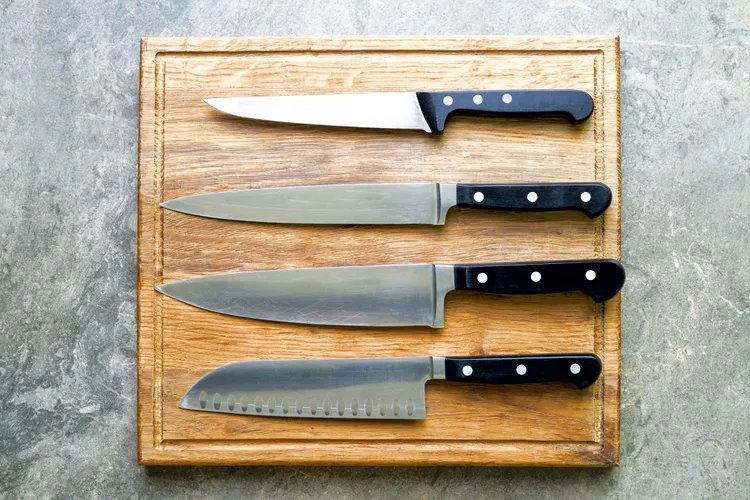
A sharp kitchen knife is one of the most important tools in any kitchen. Not only does it make meal preparation faster and more precise, but it also plays a crucial role in safety. A dull knife can be dangerous, causing unnecessary strain during cutting and even increasing the risk of accidents. If you’ve ever struggled with a blade that refuses to glide through food, it may be time to learn how to properly sharpen your kitchen knives. This guide will walk you through expert techniques for keeping your knives in top shape and slicing through ingredients with ease.
Why Knife Sharpening is Crucial
Sharp knives improve your cooking efficiency and precision. As chef Ronna Welsh explains, “A sharp knife allows you to work faster, more precisely, and safely.” On the other hand, dull knives can lead to uneven cuts and a lot of extra effort. This can result in frustration and even injuries. By maintaining sharp knives, you also elevate the quality of your cooking. “Food cut evenly cooks evenly,” says Bobby Griggs, vice president of Hammer Stahl Cutlery, emphasizing how sharp knives contribute to a more consistent culinary experience.
Honing vs. Sharpening: The Key Difference
It’s essential to understand that honing and sharpening are two different processes. While both maintain a knife’s edge, they serve different purposes. Honing is a regular maintenance task that realigns the knife’s edge, while sharpening removes material to restore the blade’s sharpness. To keep your knife in peak condition, both processes are necessary. Honing should be done regularly to keep the blade sharp between sharpening sessions. Ronna Welsh suggests using a honing steel daily, while sharpening should be done when the knife feels like it’s crunching through food rather than gliding smoothly.
How to Hone Your Knife
Honing is the first step in keeping your knife sharp. You can easily maintain your knife’s edge by using a honing rod. Here’s how:
- Position the steel and blade: Hold the honing steel vertically with the blade’s edge facing away from you, at a 20-degree angle.
- Work one side of the blade: Slide the blade from the handle to the tip, making sure the entire edge comes into contact with the steel.
- Switch to the other side: Repeat the process on the opposite side of the blade.
- Check sharpness: Test the knife’s sharpness by slicing through paper. If it cuts easily, your knife is properly honed.
Best Methods for Sharpening Your Knife
While honing maintains your knife’s edge, sharpening is essential for fixing chips and nicks in the blade. There are several methods for sharpening, each with its pros and cons. These include whetstones, pull-through sharpeners, and electric sharpeners. The most reliable and customizable method for sharpening is using a whetstone, as it allows you to control the sharpening angle and the amount of material removed from the blade.
Using a Whetstone to Sharpen Your Knife
Whetstones, also known as sharpening stones, are effective tools for sharpening knives. They come in various grits, allowing you to sharpen at different levels of coarseness. Here’s how to use a whetstone:
- Prepare the whetstone: Soak the whetstone in water for 10–45 minutes before use.
- Position the blade: Place the knife at a 20-degree angle on the coarse side of the stone.
- Sharpen the blade: Slide the blade across the stone, applying gentle pressure.
- Switch to the fine grit: Once you’ve finished with the coarse side, flip the stone to the fine grit to polish the edge.
Electric Sharpeners: A Convenient Option
If you need a quick, convenient sharpening method, an electric sharpener may be a good option. Electric sharpeners use motorized abrasive wheels to sharpen the knife. However, these sharpeners can be more aggressive, removing material from the blade faster than manual methods. They are also less versatile, as they often have limited blade angle options. As chef Ronna Welsh points out, “Electric sharpeners can be good, but they wear down the blade over time.”
Conclusion
Sharpening your kitchen knives is essential for ensuring safety, precision, and efficiency in meal preparation. Whether you choose to hone regularly with a steel or occasionally sharpen with a whetstone, understanding the proper techniques will keep your knives in excellent condition. With regular maintenance, your knives will remain sharp, making cooking a more enjoyable and effective process.