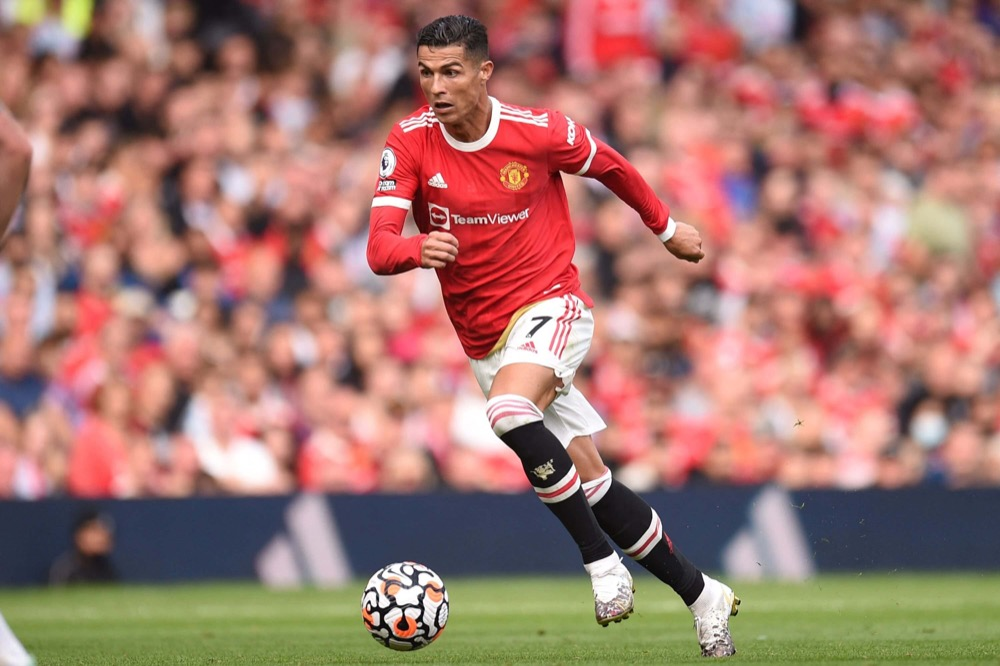
Ronaldo position evolution is one of the clearest examples of how a footballer can completely reshape his game and still remain world class. Cristiano Ronaldo did not begin his career as the penalty-box scorer many fans know today. He started as a traditional winger, a player built around speed, tricks, stepovers, dribbling and service into the box. Over time, he became a wide forward, then a left-sided goalscorer, then a central finisher, then a veteran striker whose game focused more on movement, finishing and penalty-box instinct.
That transformation is central to understanding Ronaldo’s greatness. Many players shine because they master one role. Ronaldo became great because he kept changing his role as football changed around him. At Manchester United, he moved from entertainer to decisive forward. At Real Madrid, he became one of the most devastating goalscorers in football history. At Juventus, he adjusted again, often starting from the left while still attacking the box like a centre-forward. In his later Manchester United spell, he was used more directly as a number nine, even though his natural instincts still pulled him toward wider attacking zones.
Ronaldo position evolution also explains why his numbers became so extraordinary. His early game was about beating defenders and creating chances for others. His prime game was about directness, power and finishing. His later game was about timing, aerial dominance, penalty-box movement and ruthless efficiency.
The story of Ronaldo’s role is therefore not just a tactical timeline. It is the story of a player who moved from showmanship to output, from touchline play to central scoring, from raw talent to controlled destruction.
The Early Manchester United Years
Cristiano Ronaldo arrived at Manchester United in 2003 as a teenage winger with enormous talent and obvious confidence. In his first seasons, he usually played on the right side of midfield or attack, often in a 4-5-1 or 4-4-2 shape. His role was to stretch the pitch, beat defenders and provide service for the central striker.
At that time, Manchester United’s attack often used Ruud van Nistelrooy as the main focal point. Van Nistelrooy was a classic penalty-box striker, a player whose main job was to finish moves. That meant Ronaldo’s job was not to be the team’s primary scorer. He was expected to create danger from wide areas and feed the forward line.
This early version of Ronaldo was spectacular but not yet efficient. He loved stepovers, quick changes of direction and one-v-one battles. He could beat defenders with pace and skill, but his final ball and decision-making were still developing. He sometimes held the ball too long. He sometimes chose entertainment when the team needed simplicity.
Still, the raw ingredients were clear. Ronaldo had speed, balance, confidence, courage and a rare desire to take responsibility. He was not afraid to lose the ball. He wanted to attack. He wanted to be seen. That personality helped him become a superstar, but first it had to be refined.
During his early United years, Ronaldo was more of a traditional winger than a forward. His goal numbers were modest compared with what came later. He scored six goals in all competitions in his debut season, then nine, then twelve. Those figures showed progress, but he was not yet the goal machine he would become.
From Showman to Serious Threat
The first major stage of Ronaldo position evolution came when he started moving away from being a showman and became a more direct attacking threat. Manchester United’s coaching staff and senior players wanted him to add end product to his talent. Tricks were useful only if they led to goals, assists or dangerous attacks.
The 2006 World Cup became a turning point in Ronaldo’s career. After the tournament, he returned to England under huge pressure and hostility. Instead of shrinking, he used that pressure as motivation. He became stronger, more focused and more determined to affect matches directly.
This was the beginning of a new Ronaldo. He still played from the right, but he was no longer only a winger. He became a wide forward. He attacked the box more often, shot more regularly and looked to finish moves rather than simply create them.
The departure of Ruud van Nistelrooy also changed Manchester United’s attacking structure. Without a fixed penalty-box striker dominating the centre, United became more fluid. Ronaldo, Wayne Rooney, Ryan Giggs, Louis Saha and later Carlos Tevez could interchange positions, counter-attack at speed and create unpredictable attacking patterns.
This freedom helped Ronaldo. He was no longer restricted to crossing for a poacher. He could move inside, attack central spaces and become the team’s main goal threat.
The 2006-07 Breakthrough
The 2006-07 season was one of the most important years in Ronaldo position evolution. He was still often listed on the right side, but his role had changed. He was now Manchester United’s most dangerous attacker.
United’s front line became faster, more mobile and more flexible. Ronaldo could start wide and finish centrally. Rooney and Saha could create space with their movement. Giggs could drift inside. The team’s counter-attacking style gave Ronaldo room to run, and his improved strength helped him survive physical defending.
This was the season when Ronaldo’s goal output jumped. He became more direct and more productive. He scored far more often in the Premier League and all competitions. More importantly, he became the player opponents feared most.
The difference was not only physical. It was mental. Ronaldo began making better choices. He reduced unnecessary tricks. He attacked space earlier. He became more ruthless in shooting positions. His confidence was no longer only about flair; it was about dominance.
By the end of this phase, Ronaldo had moved from talented winger to elite wide forward.
The 2007-08 Goal Machine
In 2007-08, Ronaldo completed his first great transformation. He became the best player in the world and Manchester United’s main attacking weapon. He scored at an extraordinary rate for a player who still often started from wide areas.
The arrival of Carlos Tevez helped create a powerful attacking unit with Rooney and Ronaldo. Tevez and Rooney were energetic, selfless and aggressive. They worked hard without the ball, linked play and opened spaces. Ronaldo became the most explosive finisher in that structure.
This version of Ronaldo was still capable of dribbling past defenders, but his game was now built around end product. He attacked the back post, arrived in the box, shot from distance, scored headers and became a constant set-piece threat. His movement was sharper and his finishing was far more clinical.
The 2007-08 season brought the Premier League title, the Champions League and Ronaldo’s first Ballon d’Or. His role was no longer easy to define. He was not a traditional midfielder, not a classic winger and not a centre-forward. He was a wide forward with freedom to become a striker whenever the attack demanded it.
This was the blueprint for the next stage of his career. Ronaldo had discovered that his greatest value was not simply beating defenders. It was scoring goals.
From Right Wing to Left Wing at Real Madrid
Ronaldo moved to Real Madrid in 2009 and entered the most productive phase of his career. The biggest positional change was his move from the right side to the left side. This shift was crucial.
As a left-sided attacker, Ronaldo could cut inside onto his stronger right foot more naturally. The inverted winger role gave him better shooting angles and more direct access to goal. He could receive wide, drive inside and shoot. He could also attack the far post when moves developed on the opposite side.
At Real Madrid, Ronaldo’s role was built around freedom and output. He started from the left, but he did not stay there. He moved into central areas, attacked crosses, ran behind defences and positioned himself for rebounds and cutbacks. The left wing was his starting point, not his limit.
This role unlocked another level of goalscoring. In his first five seasons at Real Madrid, Ronaldo produced astonishing numbers. He was not just scoring regularly; he was scoring at a rate that changed expectations for elite forwards.
Real Madrid’s attacking environment suited him perfectly. The team could counter-attack at incredible speed. Players such as Mesut Özil, Ángel Di María, Karim Benzema, Marcelo and later Gareth Bale provided service, movement and support. Ronaldo was given license to stay high and punish opponents quickly when Madrid regained possession.
Ronaldo as the Ultimate Inverted Forward
At Real Madrid, Ronaldo became the ultimate inverted forward. He was not a winger in the old sense. He was a forward who began wide and finished centrally.
This role allowed him to use every part of his attacking skill set. He could isolate full-backs, cut inside and shoot. He could sprint beyond centre-backs. He could attack the back post from crosses on the right. He could score with his right foot, left foot or head. He could also use his physical power to dominate defenders in ways most wide players could not.
The left-sided role gave Ronaldo freedom to hunt goals. He became less interested in creating from deep and more focused on decisive actions. His dribbling remained dangerous, but it was now more purposeful. He wanted to arrive in shooting positions as quickly as possible.
This is where Ronaldo’s identity changed permanently. He was no longer judged like a winger. He was judged like a scorer. His value was measured in goals, Champions League nights and match-winning moments.
The Benzema Factor
Karim Benzema played an important role in Ronaldo position evolution at Real Madrid. Benzema was not a fixed striker who demanded every attack end with him. He often dropped deep, linked play and created space. That helped Ronaldo move inside from the left.
When Benzema moved away from centre-backs, Ronaldo could attack the space he left. This allowed Madrid to use a flexible forward line where Ronaldo became the main finisher despite not always starting as the centre-forward.
Benzema’s selfless movement helped Ronaldo become even more dangerous. The French striker connected midfield and attack, while Ronaldo focused on penetration and finishing. This partnership was one of the tactical foundations of Madrid’s attacking success.
Later, Gareth Bale’s arrival added another dimension. Bale’s speed and left-footed threat from the right gave defenders another problem. With Bale stretching one side and Benzema linking centrally, Ronaldo had more freedom to attack the box from the left.
From Wide Scorer to Penalty-Box Number Nine
As Ronaldo’s Real Madrid career progressed, his role moved closer to that of a central striker. He still drifted left during build-up, but he spent more time in the penalty area. His touches in deeper zones reduced, while his presence inside the box increased.
This was a natural evolution. Ronaldo was getting older, and his game became more efficient. Instead of wasting energy on repeated dribbles, he focused on movement, timing and finishing. He attacked crosses, found space between defenders and became more dangerous with fewer touches.
By his final Real Madrid seasons, Ronaldo had become a penalty-box assassin. He still had the speed to attack wide spaces, but his greatest value came from arriving in the right place at the right time. His Champions League knockout performances during this period showed the effectiveness of the change.
This phase is sometimes described as Ronaldo becoming a pure number nine, but that is only partly true. He was not a traditional back-to-goal striker. He was a left-sided forward who had learned to live in centre-forward zones when attacks reached the final phase.
Juventus: A Return to the Left-Sided Role
When Ronaldo joined Juventus in 2018, many people expected him to continue as a pure central striker. But his role in Italy was more complex. He often returned to a left-sided attacking role, closer to his earlier Real Madrid positioning than to his final Madrid seasons.
At Juventus, Ronaldo frequently received the ball on the left, carried it inside and tried to attack the box from wider areas. His dribbling numbers and involvement in build-up increased compared with his last period at Real Madrid. He was not the young winger of Manchester United, but he was not only a static centre-forward either.
This shift made sense. Juventus did not play with the same attacking speed and structure as Real Madrid. Ronaldo had to become more involved in the development of attacks. He still attacked the box when crosses came from the opposite side, but he also participated more from the left channel.
The Juventus version of Ronaldo was a hybrid. He was part left forward, part striker, part veteran finisher. He adapted to Serie A’s tighter spaces and more tactical defensive systems by choosing moments more carefully.
Ronaldo’s Role in Serie A
Serie A demanded a different kind of Ronaldo. Italian teams were often compact and disciplined, which meant there was less open space than in many La Liga matches. Ronaldo had to work against packed defences and more structured marking.
He remained dangerous because of his movement. Even when he did not dominate build-up, he knew how to separate from defenders inside the box. He attacked crosses, anticipated rebounds and used his leap to remain a major aerial threat.
At Juventus, Ronaldo’s shot selection and positioning became even more important. He was not always involved in long passing moves, but he remained the player expected to finish them. This role suited his late-career strengths: movement, heading, penalties, finishing and physical presence.
The Juventus chapter showed that Ronaldo could still score heavily outside Real Madrid. It also showed that his position was never as simple as the teamsheet suggested.
Back to Manchester United
Ronaldo returned to Manchester United in 2021. By then, the perception of him had changed again. Many viewed him as a penalty-box striker, a veteran number nine whose main job was to finish chances.
United mostly used him as a centre-forward. This role made sense because Ronaldo was still deadly in front of goal, strong in the air and capable of deciding matches with limited service. However, it was not always a completely natural fit. Ronaldo had spent much of his career drifting from wide areas, especially the left. Even as a veteran, he still had a tendency to move out of central zones to receive the ball.
At United, his build-up involvement became more limited than in earlier stages of his career. He was not asked to beat defenders repeatedly or create from wide positions. His main role was to occupy centre-backs, attack crosses and finish chances.
The second Manchester United spell produced goals, but it also showed the challenge of using Ronaldo in a team that lacked attacking balance. He could still score, but the team’s overall structure often struggled. This highlighted an important truth about late-career Ronaldo: he remained a world-class finisher, but he needed the right service and system to maximize his strengths.
Al Nassr and the Veteran Finisher
Ronaldo’s move to Al Nassr added another stage to his positional journey. In Saudi Arabia, he continued as a central attacking figure, usually operating as a striker or free forward. His role focused on leadership, penalty-box movement, finishing and attacking presence.
At this stage of his career, Ronaldo’s game was built less on constant dribbling and more on efficiency. He picked moments, attacked spaces and used his experience to create scoring chances. His aerial threat remained important, as did his penalty-taking and movement between defenders.
The Al Nassr chapter also showed Ronaldo’s ability to remain the focal point of a team at an advanced age. Even when he moved less than in his prime, opponents still had to defend him closely because of his finishing record and reputation.
This late-career role is the final stage of Ronaldo position evolution: a veteran forward who has carried parts of every previous version of himself. The winger’s movement, the wide forward’s shooting, the Madrid scorer’s hunger and the striker’s positioning all remain in his game.
Ronaldo’s Evolution as a Dribbler
Ronaldo’s dribbling changed dramatically across his career. In his early years, dribbling was central. He wanted to beat defenders with skill and speed. His stepovers were part of his identity, and he often used them to unsettle opponents.
As he matured, his dribbling became more direct. He used fewer tricks and attacked space more quickly. This made him more efficient. At Real Madrid, dribbling became a tool to reach shooting positions rather than an end in itself.
Later, his dribbling declined naturally with age. He no longer beat players as frequently, but he compensated through movement and positioning. At Juventus, he showed flashes of left-sided carrying, but the explosive winger version was gone.
This evolution did not weaken his career. It extended it. Ronaldo understood that he could not remain the same player forever, so he changed his game before decline could define him.
Ronaldo’s Evolution as a Goalscorer
Ronaldo’s goalscoring evolution is the heart of his positional story. He began as a provider. He became a scorer. Then he became one of the greatest scorers football has ever seen.
At Manchester United, he learned to attack the box. At Real Madrid, he perfected the art of scoring from the left and central zones. At Juventus, he relied more on positioning and finishing. In his later years, he became a penalty-box specialist.
His goals came in many forms: long shots, free kicks, penalties, headers, tap-ins, volleys, counter-attacks and close-range finishes. That variety made him difficult to stop. Defenders could not defend only one pattern.
The most important change was mental. Ronaldo became obsessed with the final action. He developed the hunger to score every match and the discipline to position himself where goals happen. That mentality turned a skilful winger into a record-breaking forward.
Why Ronaldo Was Never Just a Striker
Although Ronaldo is often described as a striker in his later years, his career cannot be reduced to that label. He spent much of his best football starting from wide areas. His movement was always more flexible than a traditional number nine.
Even when deployed centrally, Ronaldo often drifted left. He liked receiving the ball where he could face defenders and attack the box. He was never only a back-to-goal target man. His game was built on movement, timing and arriving in scoring areas rather than simply occupying centre-backs.
This is why Ronaldo position evolution is so important. It shows that he became a striker gradually, not instantly. The scorer people remember was built through years of tactical adjustment.
Conclusion
Ronaldo position evolution is the story of a player who transformed himself again and again to stay elite. Cristiano Ronaldo began as a traditional winger at Manchester United, using pace, tricks and dribbling to beat defenders and serve the striker. He then became a wide forward, more direct, more powerful and more focused on goals. At Real Madrid, he moved to the left and became one of the most devastating inverted forwards in football history. As his career progressed, he moved closer to the penalty area and became a ruthless central finisher. At Juventus, he mixed left-sided involvement with striker movement. In his later Manchester United and Al Nassr years, he became a veteran forward built around finishing, aerial threat and penalty-box intelligence.
What makes Ronaldo’s evolution remarkable is that every version of him was effective. The young winger entertained. The Manchester United wide forward dominated England. The Real Madrid left-sided scorer broke records. The Juventus veteran adapted to Italy. The late-career striker continued to score through movement and experience.
Ronaldo’s position changed because his body, teams and football itself changed. But his purpose stayed the same: to attack, to score and to win. That is why his evolution is not only a tactical story. It is a lesson in reinvention, ambition and elite mentality.
Cristiano Ronaldo did not simply grow older as a footballer. He redesigned himself. From winger to wide forward, from wide forward to goal machine, from goal machine to veteran finisher, Ronaldo built one of the most complete attacking careers football has ever seen.
Read Also: Messi Position Evolution: From Winger to Football’s Ultimate Playmaker