Nagaland is known for its vibrant tribal culture, tea estates, and emerging regional commerce. While it doesn’t host billionaires, it does have a group of high-net-worth individuals whose assets range from ₹5 crore to over ₹200 crore. The richest people in Nagaland typically derive wealth from political influence, tribal leadership, real estate, hospitality, and cross-border trade.
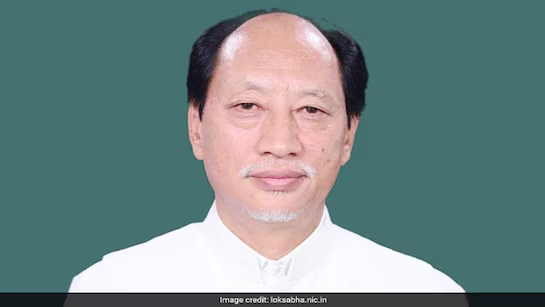
1. Neiphiu Rio – Estimated Net Worth: ₹200 Crore
The current Chief Minister of Nagaland and a respected statesman, Neiphiu Rio ranks as the wealthiest public figure in the state. His assets include ancestral land, residential properties in Kohima, and investments in regional enterprises. Rio’s decades-long political career and leadership roles have enhanced his access to resources and business opportunities.
2. Mhathung Yanthan – Estimated Net Worth: ₹150 Crore
A senior politician and tribal elder from Mokokchung, Yanthan possesses extensive land holdings and a legacy of influence in tribal councils. His wealth is supplemented by investments in education and community infrastructure, including schools and vocational centres for Naga youth.
3. Zhaleo Rio – Estimated Net Worth: ₹100 Crore
The son of Neiphiu Rio and a cabinet minister, Zhaleo combines political leadership with entrepreneurial ventures. His assets include urban commercial property in Kohima, hospitality investments, and stakes in regional agro-processing units.
4. Chotisuh Sazo – Estimated Net Worth: ₹90 Crore
A prominent political leader in Phek district, Sazo’s wealth stems from ancestral property, land development projects, and regional transport businesses. He is also known for active engagement in cross-border trade with Myanmar.
5. C. L. John – Estimated Net Worth: ₹80 Crore
A Khasi-Naga business figure based in Dimapur, John has built a successful hospitality chain, including boutique hotels and eco-resorts. He also invests in property development and tourism-driven enterprises in rural Nagaland.
6. Imtikümzüp Tsükrü – Estimated Net Worth: ₹75 Crore
A former finance minister and influential tribal leader, Tsükrü’s assets include timber estate holdings, commercial real estate, and shareholding in regional logistics firms. His strategic business ties have helped grow his wealth steadily.
7. Neiba Kronu – Estimated Net Worth: ₹60 Crore
A government minister with experience in agriculture and community projects, Kronu owns several acres of cultivable land, hostels, and vocational training centre properties, contributing to his status among the state’s affluent.
8. Kuzholuzo Nienu – Estimated Net Worth: ₹50 Crore
As a public administrator and former party leader, Nienu possesses mixed assets including urban property, commercial land, and rural farm holdings near Kohima. His rise reflects the growing importance of real estate in townships and district hubs.
9. Temjen Toy – Estimated Net Worth: ₹45 Crore
A young political figure from Kiphire, Temjen holds ancestral land, investments in small industries, and stakes in community-level microfinance projects. His heritage and focus on entrepreneurship have helped build his rising wealth.
10. Kuzholuzo Dzongu – Estimated Net Worth: ₹40 Crore
A noted tribal entrepreneur and community leader, Dzongu operates tea estates and forestry products in Mokokchung and invests in herbal medicine businesses. His tea gardens supply domestic and regional markets, giving him a unique position among Nagaland’s wealthy entrepreneurs.
📊 Wealth Sources in Nagaland
- Political leadership and public office provide significant access to resources and land allocation.
- Tribal land inheritance remains a primary source of wealth for political families.
- Hospitality and tourism businesses are gaining prominence through eco-friendly ventures.
- Cross-border trade with Myanmar enhances revenue from transport and logistics.
- Agriculture and forestry—especially tea, timber, and herbal products—are growing niche wealth drivers.
📝 Final Thoughts
The richest people in Nagaland reflect a unique blend of public office, traditional landholding, and emerging enterprise. While their wealth doesn’t reach billionaire levels, they hold considerable economic and cultural influence within the region. As Nagaland opens further to tourism, agriculture-based commerce, and cross-border opportunities, a new wave of entrepreneurs may soon reshape this elite group.