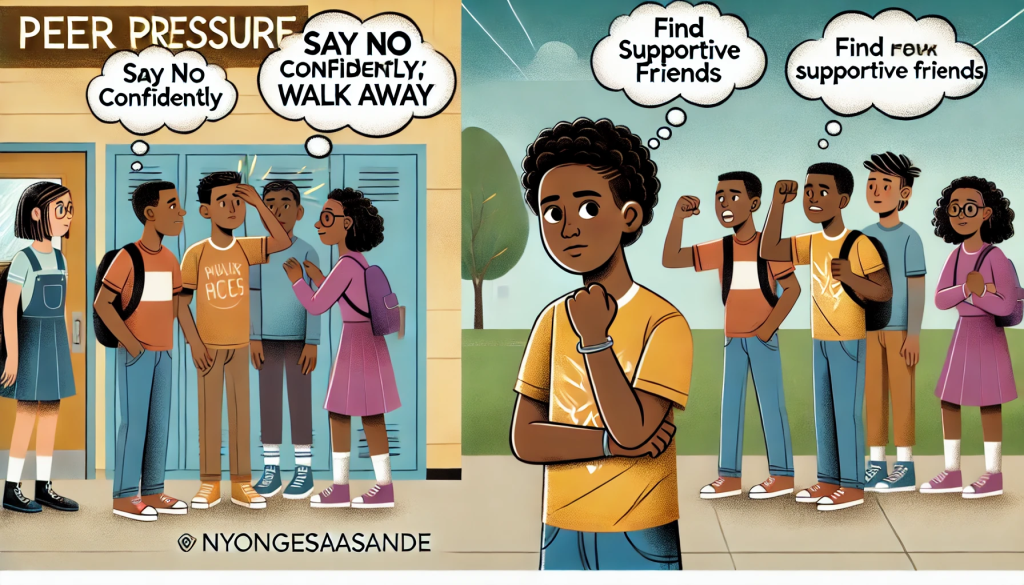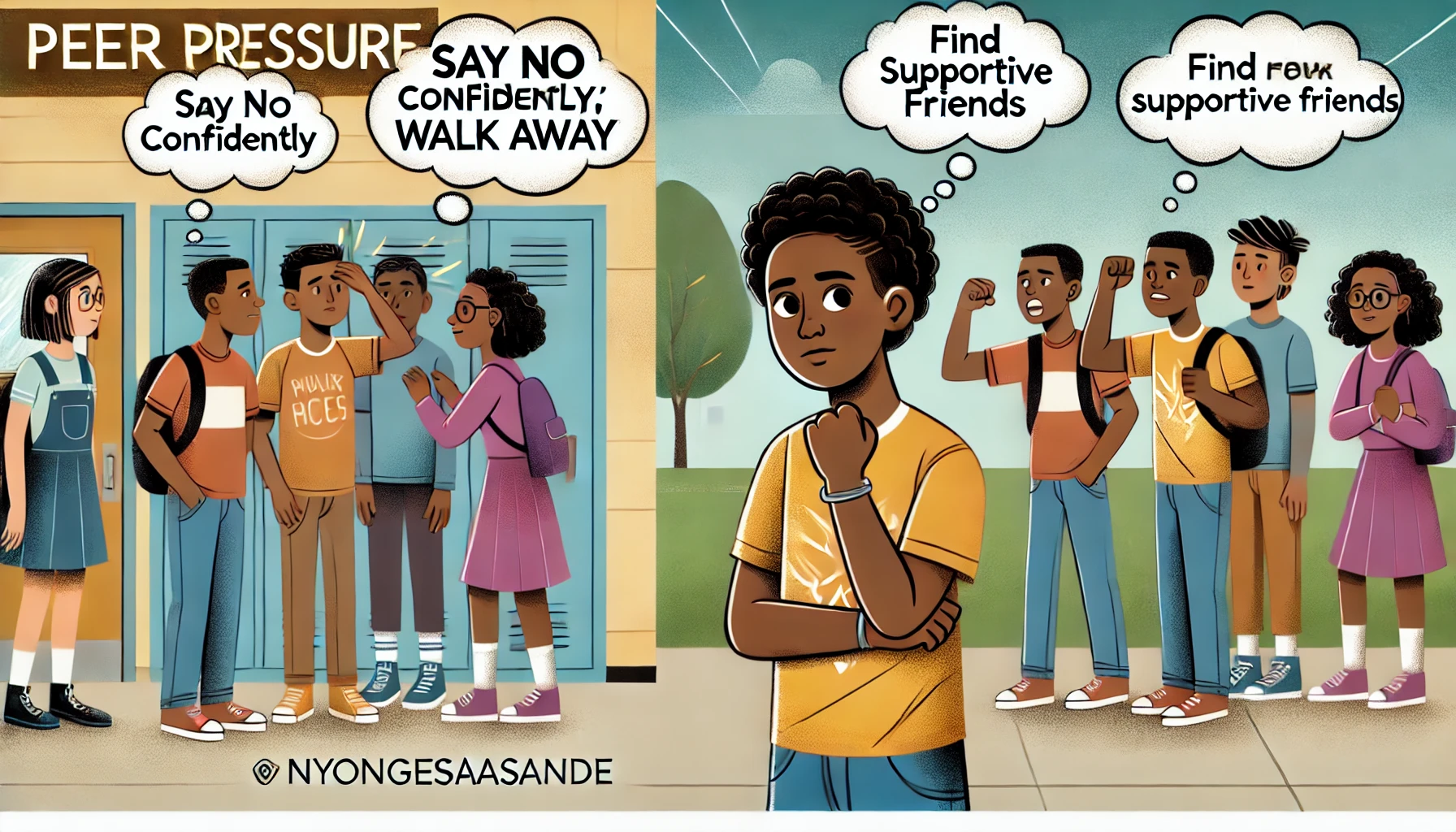
Peer pressure can be tough to deal with, especially when you want to fit in. Sometimes, you might feel pressured to do things you’re uncomfortable with, just to avoid being labeled as “boring” or “uncool.”
However, staying true to yourself is more important than giving in. Learning how to confidently resist peer pressure will help you make choices that align with your values.
Below are 13 effective strategies to help you resist, handle, and navigate peer pressure in a healthy way.
Method 1: Developing Healthy Strategies
1. Request More Time to Think
📌 What to do:
- If you’re feeling pressured, buy yourself some time to process the situation.
- Say, “Let me think about it,” or “I’m not sure, I need a moment.”
✔️ Why this works:
It stops you from making impulsive decisions and gives you a moment to evaluate whether you truly want to participate.
✖️ Avoid:
Rushing into a decision just because others expect you to.
2. Have an Exit Plan or Excuse
📌 What to do:
- Use a believable excuse to remove yourself from the situation.
- Example: “I have a big test tomorrow, I need to go home and study.”
- If needed, blame strict parents or prior commitments.
✔️ Why this works:
It gives you a non-confrontational way to exit without feeling awkward.
✖️ Avoid:
Over-explaining or making up elaborate stories—you don’t owe anyone an excuse.
3. Suggest a Better Idea
📌 What to do:
- Offer a positive alternative to the activity being suggested.
- Example: If friends are pressuring you to drink, say, “Let’s go grab some food instead.”
- If you’re at a party, bring your own non-alcoholic drink so you don’t feel left out.
✔️ Why this works:
It redirects the group’s focus while keeping you involved.
✖️ Avoid:
Acting judgmental or making others feel bad for their choices.
4. Be Confident When Saying “No”
📌 What to do:
- Say “no” firmly and clearly without hesitation.
- Example: “Nah, I’m good. That’s not my thing.”
✔️ Why this works:
Confidence prevents further pressure because it shows you’re sure of your decision.
✖️ Avoid:
- Mumbling or looking unsure—this invites more pressure.
- Apologizing for saying no—you don’t need to!
5. Think Before You Act
📌 What to do:
- Ask yourself: “Would I regret this later?”
- Consider the long-term consequences before making a choice.
✔️ Why this works:
It helps you avoid risky situations by ensuring your actions align with your personal values.
✖️ Avoid:
Acting on impulse just to fit in.
Method 2: Reevaluating Your Friendships
6. Question Whether Your Friends Make You Feel Good
📌 What to do:
- Ask yourself: “Do I feel happy around my friends, or do they stress me out?”
- If your friends constantly pressure you into things that make you uncomfortable, it might be time to distance yourself.
✔️ Why this works:
Good friendships support your well-being, while toxic ones harm your self-esteem.
✖️ Avoid:
Staying in a friendship just because of history. People change, and it’s okay to outgrow relationships.
7. Choose Friends Who Support Your Decisions
📌 What to do:
- Surround yourself with positive influences who respect your choices.
- Try to expand your social circle so you’re not dependent on just one group.
✔️ Why this works:
You’re less likely to experience peer pressure when you’re around people with similar values.
✖️ Avoid:
Being around people who mock your choices or pressure you into things.
8. Avoid High-Pressure Situations
📌 What to do:
- If you know that a party or event involves risky behaviors, it’s okay to skip it.
- Drive yourself to events so you can leave whenever you want.
✔️ Why this works:
You won’t have to deal with temptation or awkward exits if you plan ahead.
✖️ Avoid:
Going along with “just one time” pressure—it often leads to repeat situations.
Method 3: Strengthening Your Personal Values
9. Identify Your Core Beliefs
📌 What to do:
- Write down your personal values and stick to them.
- Example: If health is important to you, remind yourself why smoking or drinking doesn’t align with your goals.
✔️ Why this works:
Having a clear sense of identity makes it easier to resist pressure.
✖️ Avoid:
Letting external influences dictate your values.
10. Set Long-Term Goals
📌 What to do:
- Think about where you want to be in 5–10 years.
- If an activity jeopardizes your future goals, it’s not worth it.
✔️ Why this works:
Your decisions shape your future, so making wise choices now pays off later.
✖️ Avoid:
Letting short-term fun override your long-term success.
11. Learn to Be Proud of Your Choices
📌 What to do:
- Own your decisions and don’t let anyone make you feel bad about them.
- Example: If someone says, “Why don’t you drink?” respond confidently with “Because I don’t want to.”
✔️ Why this works:
When you’re proud of who you are, people will respect you more.
✖️ Avoid:
Feeling guilty for being different—your choices matter.
Method 4: Seeking Support
12. Talk to a Trusted Person
📌 What to do:
- If peer pressure is overwhelming, talk to a friend, parent, teacher, or counselor.
- Seek advice from someone who shares your values.
✔️ Why this works:
Support reinforces your decisions and gives you perspective.
✖️ Avoid:
Keeping everything bottled up—you don’t have to handle it alone.
13. Find Healthy Social Groups
📌 What to do:
- Join clubs, sports, or hobbies where positive behaviors are encouraged.
- Engage in activities that naturally align with your values.
✔️ Why this works:
You’ll be less likely to experience negative peer pressure in a supportive environment.
✖️ Avoid:
Relying on a single group for your social life—diversity helps!
FAQs (Q&A Section)
Q1: How can I say no without losing friends?
A: Be firm yet friendly. Real friends respect your boundaries. If someone drops you because you said “no,” they weren’t a real friend.
Q2: How do I avoid peer pressure before it happens?
A: Plan ahead. Have ready-made responses and avoid situations where you know pressure is common.
Q3: What if I gave in to peer pressure and regret it?
A: Learn from the experience. Forgive yourself, set clearer boundaries, and use it as a lesson for next time.
Q4: Can peer pressure ever be positive?
A: Yes! Good friends can push you to try new things that are beneficial—like exercising, studying, or taking risks that align with your goals.
Final Thoughts
Handling peer pressure takes confidence, planning, and self-awareness. By using these strategies, you can stay true to yourself while maintaining healthy relationships.