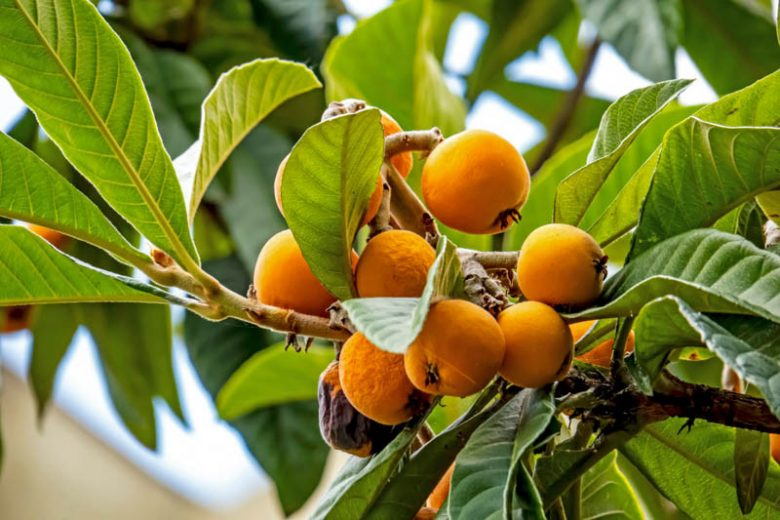
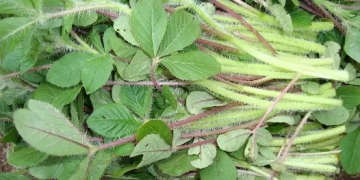
The native African fruits and berries that once nourished our ancestors and sustained their vitality are fading into obscurity. Once treasured for their rich antioxidants, bioactive compounds, vitamin C, and other powerful nutrients, these fruits played a vital role in traditional diets. From busangura to bukararambi, these treasures of the land made our forebears strong and resilient.
Join me on an enlightening journey to reconnect with these native wonders of nature. (Photos: Courtesy)
Catalogue of Traditional African Fruits & Berries:
- Bukararambi – Raspberry (Rubus pinnatus)
- Chifutu – African Black Plums (Vitex doniana)
- Kamapera – Guava (Psidium guajava)
- Chinduli – Loquat (Eriobotrya japonica)
- Bunyamanyama – (Trichilia emetica)
- Bukhakasu – (Antidesma venosum)
- Burwa – (Carissa spinarum)
- Busangura Busecha – (Rhus vulgaris)
- Busangura Nabili – (Rhus natalensis)
- Busitole – (Syzygium guineense)
- Busongolamunwa – (Dovyalis macrocalyx)
- Kamachabungwe – Rubber Vine (Saba comorensis)
- Kamakhuyu – Figs (Ficus sycomorus)
- Kamarinda – Mobola Plum (Parinari curatellifolia)
- Kamakoyakoye – (Paullinia pinnata)
- Kamakhuwa – Tamarind (Parinari curatellifolia)
- Chimbunwe – Cape Gooseberry (Physalis peruviana)
- Kamakhomeri – (Antidesma venosum)
- Kamaliinda – (Pappea capensis)
- Chingayu – (Tylosema fassoglensis)
- Kamachalalia – Miracle Berry (Synsepalum dulcificum)
- Bisira Matakho – Pepper Vines (Ampelopsis arborea)
- Kamafwora – (Annona senegalensis)
- Kamasalila – (Aframomum sanguineum)
- Bisikamunye – (Hoslundia opposita)
- Kamalaama – Passion Fruit (Passiflora edulis)
- Burwa – Mulberry (Morus alba)
- Kamanyungululwe – Governor’s Plum (Flacourtia indica)
- Busemwa – Water Berries (Syzygium cordatum)
- Kamatore Kamarofu – Ripe Bananas (Musa acuminata)
- Kamatakho ke Basakhulu – (Grewia occidentalis)
- Kamasuukuma – Cactus Fruit (Opuntia ficus-indica)
- Kamaluulu – White Star Apple (Chrysophyllum albidum)
- Kamanyulula – (Sclerocarya birrea)
Full List of Bukusu African fruits with Detailed Descriptions:
1. Bukararambi – African Raspberry (Rubus pinnatus)
Wild and sweet-tart, this berry is rich in vitamins A, B, C, and anthocyanins, promoting heart health, digestion, and immunity. A symbol of wild foraging and traditional vitality.
2. Chifutu – African Black Plum (Vitex doniana)
A tree fruit cherished across Africa, it offers antioxidants and is used to treat anemia, indigestion, and hypertension. Central in village rituals and medicinal practices.
3. Kamapera – Guava (Psidium guajava)
Loaded with vitamin C, fiber, and antioxidants. Leaves are brewed for stomach and respiratory ailments. Common in gardens and essential to local diets.
4. Chinduli – Loquat (Eriobotrya japonica)
This juicy fruit supports metabolism and eye health. Its leaves are used in treating respiratory conditions.
5. Bunyamanyama – Natal Mahogany (Trichilia emetica)
Medicinal tree with emetic and purgative uses. Its oil is used for skincare and soap. A staple in local herbalism.
6. Bukhakasu – Tassel Berry (Antidesma venosum)
Fruits are consumed fresh, and parts of the plant are used in remedies for digestive and inflammatory issues.
7. Burwa – Conkerberry (Carissa spinarum)
Spiny shrub with edible berries. Roots and leaves are used to treat chest pains and headaches.
8. Busangura Busecha – Wild Sumac (Rhus vulgaris)
Used to treat sterility, colds, and digestive issues. Leaves and bark are vital in traditional medicine.
9. Busangura Nabili – Natal Sumac (Rhus natalensis)
Heals wounds, diarrhea, and stomach problems. Part of holistic medicine traditions.
10. Busitole – Waterberry (Syzygium guineense)
Edible berries with antioxidant properties. The bark is also used for treating infections.
11. Busongolamunwa – Wild Apricot (Dovyalis macrocalyx)
Small fruits valued for their tangy taste and immune-boosting nutrients.
12. Kamachabungwe – Rubber Vine (Saba comorensis)
Climbing plant producing sweet, edible fruits and used in traditional healing.
13. Kamakhuyu – Sycamore Fig (Ficus sycomorus)
Highly sacred. Fruits are rich in fiber and used in both food and medicine.
14. Kamarinda – Mobola Plum (Parinari curatellifolia)
Nutritious fruit with antibacterial properties, used to treat wounds and digestive disorders.
15. Kamakoyakoye – (Paullinia pinnata)
Climber with antioxidant-rich leaves. Treats fevers, ulcers, and digestive issues.
16. Kamakhuwa – Tamarind (Tamarindus indica)
Tangy pods rich in vitamins. Used in sauces and for treating colds and constipation.
17. Chimbunwe – Cape Gooseberry (Physalis peruviana)
Encased in papery husks, these berries support eye and immune health.
18. Kamakhomeri – (Antidesma venosum)
Repetition of Bukhakasu. See entry #6.
19. Kamaliinda – Jacket Plum (Pappea capensis)
Fruit and seed oil aid in skincare, wound healing, and digestion.
20. Chingayu – (Tylosema fassoglensis)
Climbing plant with edible pods. Seeds are roasted and eaten.
21. Kamachalalia – Miracle Berry (Synsepalum dulcificum)
Contains miraculin, which makes sour foods taste sweet. Used for taste modulation.
22. Bisira Matakho – Pepper Vine (Ampelopsis arborea)
Produces peppery berries. Used in seasoning and traditional medicine.
23. Kamafwora – Wild Custard Apple (Annona senegalensis)
Fruits aid digestion and have antimicrobial properties.
24. Kamasalila – (Aframomum sanguineum)
A spice plant related to ginger. Used for its aromatic seeds in cooking and medicine.
25. Bisikamunye – (Hoslundia opposita)
Aromatic shrub used to treat wounds, headaches, and infections.
26. Kamalaama – Passion Fruit (Passiflora edulis)
Rich in vitamin C and fiber. Promotes relaxation and boosts immunity.
27. Burwa – Mulberry (Morus alba)
Sweet, antioxidant-rich berries. Leaves are also used to manage diabetes.
28. Kamanyungululwe – Governor’s Plum (Flacourtia indica)
Tart fruit with antimicrobial properties. Used for wound healing and digestion.
29. Busemwa – Waterberry (Syzygium cordatum)
Fruits and bark used for gastrointestinal and respiratory ailments.
30. Kamatore Kamarofu – Banana (Musa acuminata)
Energy-rich fruit with potassium. Supports digestion and heart health.
31. Kamatakho ke Basakhulu – (Grewia occidentalis)
Fruits used to treat diarrhea, and leaves for wound dressing.
32. Kamasuukuma – Cactus Fruit (Opuntia ficus-indica)
Flesh lowers blood sugar and cholesterol. High in fiber and antioxidants.
33. Kamaluulu – White Star Apple (Chrysophyllum albidum)
Sweet pulp rich in vitamin C. Used in managing hypertension and anemia.
34. Kamanyulula – Marula (Sclerocarya birrea)
Fruits and nuts are nutritious. Famous for oil and liquor; boosts skin and reproductive health.
These fruits are more than food—they are a link to our heritage, our health, and our environment. Let’s remember them, protect them, and share their story.