


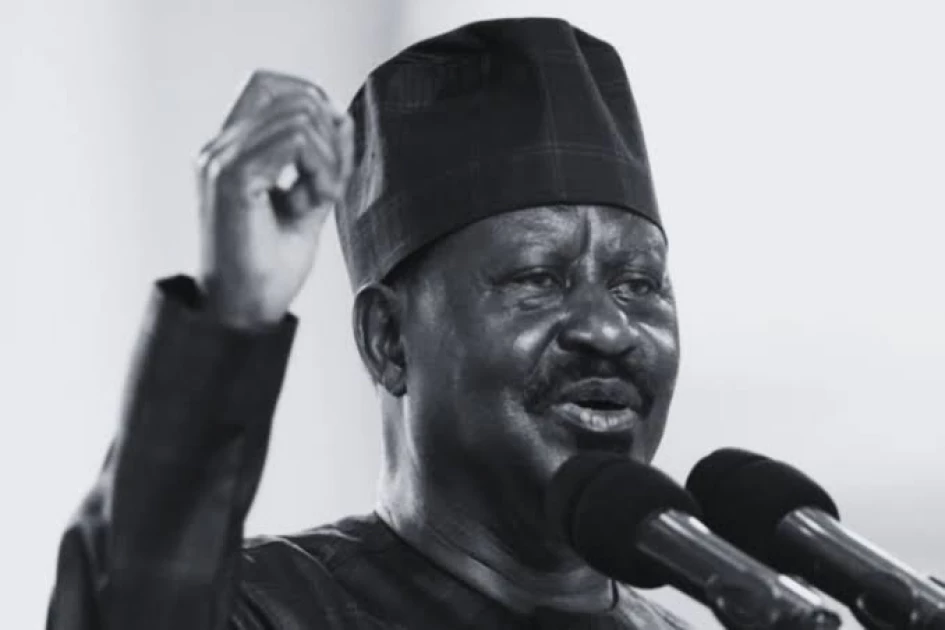
A group of Kenyan citizens has formally petitioned the National Assembly to erect a national statue in honour of former Prime Minister Raila Amollo Odinga within the precincts of Parliament. The move seeks to immortalise Odinga’s contribution to Kenya’s democracy, governance, and social reform.
The petition, filed under Article 119 of the Constitution, the Petition to Parliament (Procedure) Act, and the National Museums and Heritage Act, calls for recognition of Odinga as the Father of Democracy, a Human Rights Defender, and a Champion of Devolution and Gender Equality.
According to the petitioners, the monument would serve as a symbol of Kenya’s democratic journey, reminding lawmakers of the values enshrined in the 2010 Constitution — justice, equality, and accountability.
A Symbol of Kenya’s Democratic Struggle
“Erecting a statue of Rt. Hon. Raila Amollo Odinga within the Parliament Buildings would inspire Members of Parliament daily with the ideals he stood and fought for — democracy, justice, equality, and accountability,” the petition reads in part.
The petition outlines Raila Odinga’s decades-long public service career, highlighting his time as Member of Parliament for Lang’ata (1992–2013), Minister for Roads and Public Works, and Kenya’s first Prime Minister (2008–2013) during the Grand Coalition Government. It also acknowledges his continental role as the African Union Commission Chairperson for Infrastructure (2018–2022).
The petitioners note that while Field Marshal Dedan Kimathi and Tom Mboya have been immortalised through statues, there is no national monument celebrating Odinga’s contributions to democracy, constitutional reform, and national unity.
Cultural and Historical Significance
The petition emphasises that national monuments play a vital role in preserving Kenya’s cultural and political history, as envisioned in Article 11 of the Constitution, which directs the State to promote cultural heritage and national identity.
Drawing comparisons with global precedents such as the Lincoln Memorial in the United States and the Winston Churchill statue in the United Kingdom, the petitioners argue that Odinga’s monument would stand as a moral compass for the nation — a daily reminder of the democratic ideals for which many Kenyans struggled.
“This statue would be a perpetual reminder against passing draconian laws that erode democratic gains and devolution — principles Odinga championed throughout his life,” the petition adds.
The Road Ahead
The petitioners claim that earlier attempts to raise the issue through government departments had been unsuccessful, prompting them to invoke Articles 94(1) and 119, which guarantee citizens the right to petition Parliament directly.
If approved, the Raila Odinga monument would be the first statue of a living statesman to stand within Parliament grounds — joining Kenya’s short list of national memorials honouring liberation and reform icons.
For many Kenyans, such a gesture would not only honour Odinga’s enduring role in the country’s democratic evolution but also reaffirm Parliament’s commitment to the principles of justice and equality that define the Kenyan republic.


