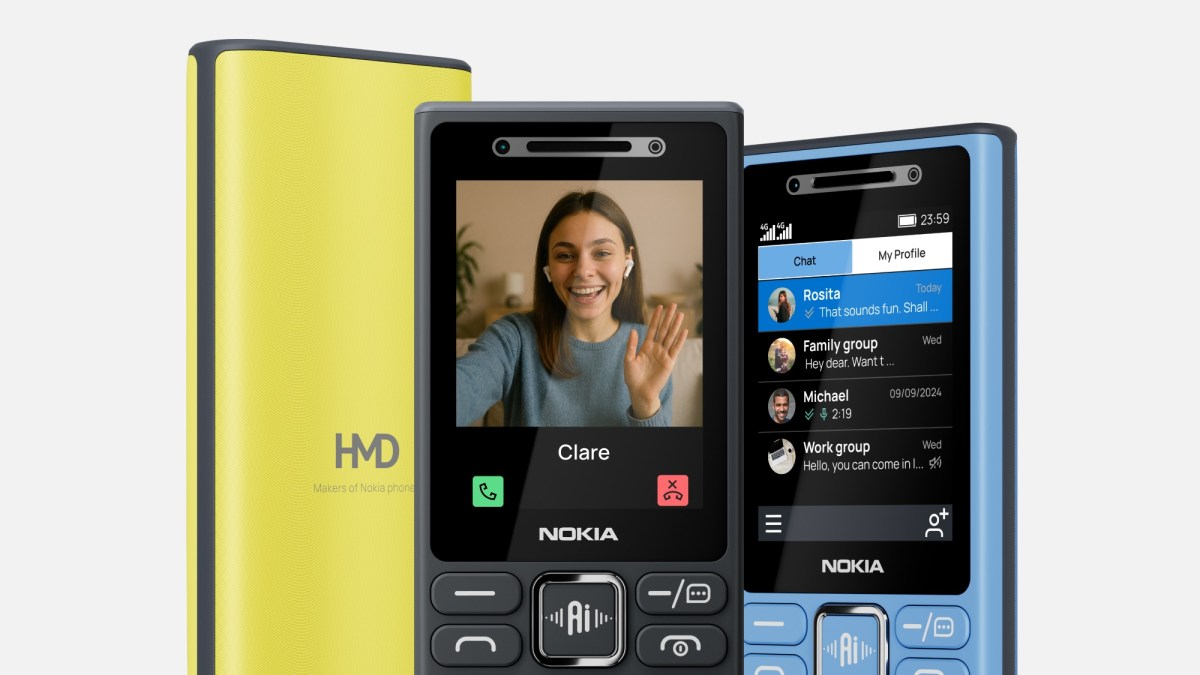
Nokia feature phones are getting an AI upgrade as HMD introduces four new 4G models aimed at keeping basic phones relevant in a smartphone-dominated market.
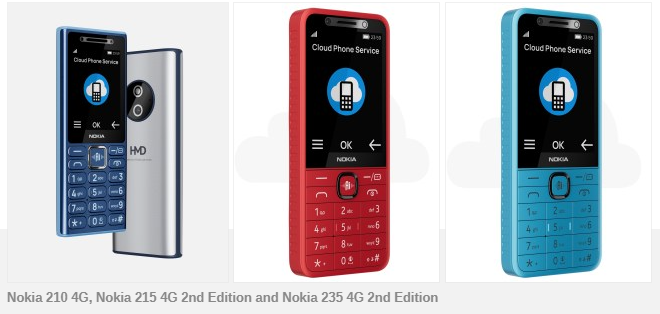
The company has announced the Nokia 200 4G, Nokia 210 4G, Nokia 215 4G 2nd Edition and Nokia 235 4G 2nd Edition. All four devices include an on-device AI assistant that can be accessed through a dedicated AI button placed on the central D-pad.
HMD has not yet disclosed pricing or availability for the new models. Still, the announcement shows the company continues to see demand for Nokia-branded feature phones, particularly among users who want simple devices with longer battery life, physical buttons and essential communication tools.
Nokia Feature Phones Get an AI Button
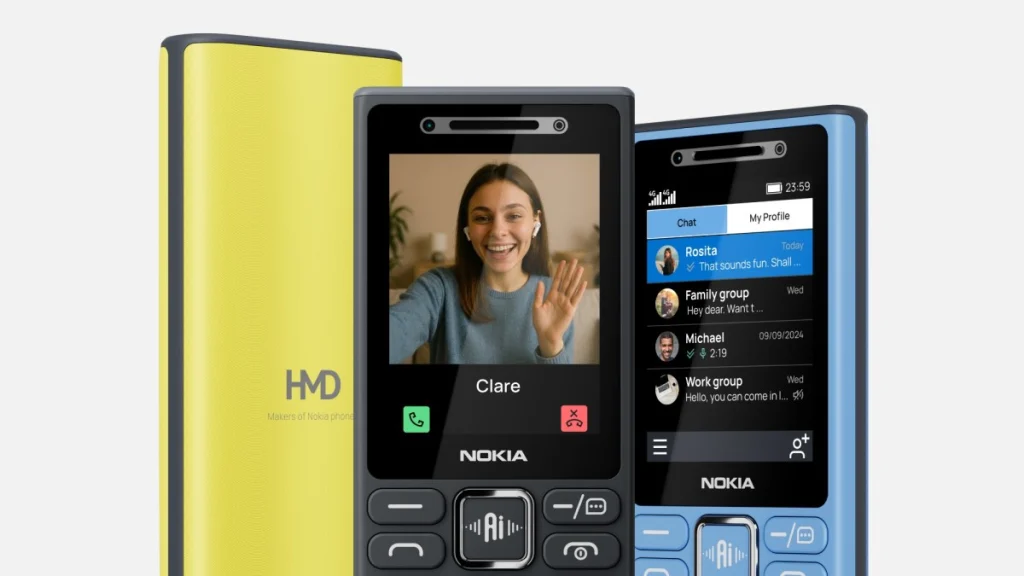
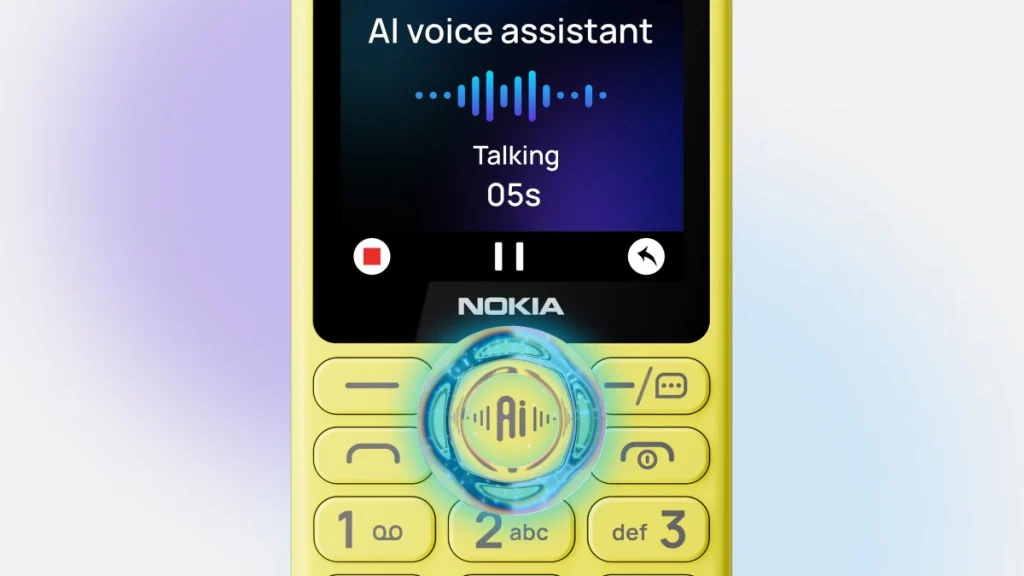
The most notable addition across the new lineup is the dedicated AI button.
HMD says the AI assistant can respond to basic queries and help users control device functions through voice commands. The feature is powered by Sikey AI, according to HMD’s specification pages.
That marks a clear shift for traditional feature phones. These devices are typically valued for calling, texting, durability and low cost. By adding AI controls, HMD is trying to bring some modern software utility to phones that still use compact screens, physical keypads and lightweight operating systems.
The AI experience is not being positioned as a full replacement for smartphone assistants. Based on the available details, it appears designed for simpler tasks and basic voice-driven controls rather than advanced productivity or app-based workflows.
AI Assistant Comes With a Subscription Catch
HMD’s specification pages say the AI assistant will be free for the first 180 days. After that period, users will need a paid subscription.
That creates an unusual requirement for a feature phone. According to the source information, users will need an actual smartphone to purchase the subscription. HMD did not provide more detail on how the payment process will work or how much the subscription will cost.
The subscription model could become an important factor in how buyers view the new phones. Feature phones often appeal to consumers looking for affordability and simplicity. A paid AI service may add value for some users, but it could also complicate the ownership experience if the setup requires another device.
For now, the long-term cost of using the AI assistant remains unclear.
Four Nokia Models Share Core Hardware Features
The new lineup covers four models, but they share several core features.
All four phones run the S30+ operating system and include 1,450 mAh batteries. They also support Bluetooth 5.0, USB-C charging, FM radio and 3.5mm headphone jacks.
Those specifications show HMD is updating the essentials without abandoning the basic feature-phone formula. USB-C charging brings the devices in line with broader industry charging standards, while the headphone jack and FM radio preserve familiar functions that remain important to many feature-phone buyers.
The use of S30+ also signals that these are not smartphones in a conventional sense. They are designed around simpler menus, lighter software and core communication rather than full app ecosystems.
Display Sizes Differ Across the Lineup
The Nokia 210 4G and Nokia 215 4G feature 2.4-inch QVGA screens.
The Nokia 215 4G 2nd Edition and Nokia 235 4G 2nd Edition include larger 2.8-inch IPS panels with the same QVGA resolution, according to the source information. The larger display may make menus, calling features and video functions easier to use.
The source description creates some overlap in how the 215 model is referenced, so the exact display distinction between all variants is not fully clear from the provided information. What is clear is that the lineup includes both 2.4-inch and 2.8-inch screen options.
That gives HMD a way to segment the devices without turning them into complex smartphones. Screen size, camera capability and design are likely to be among the main differences buyers will compare once pricing is announced.
Video Calling Comes to the New Devices
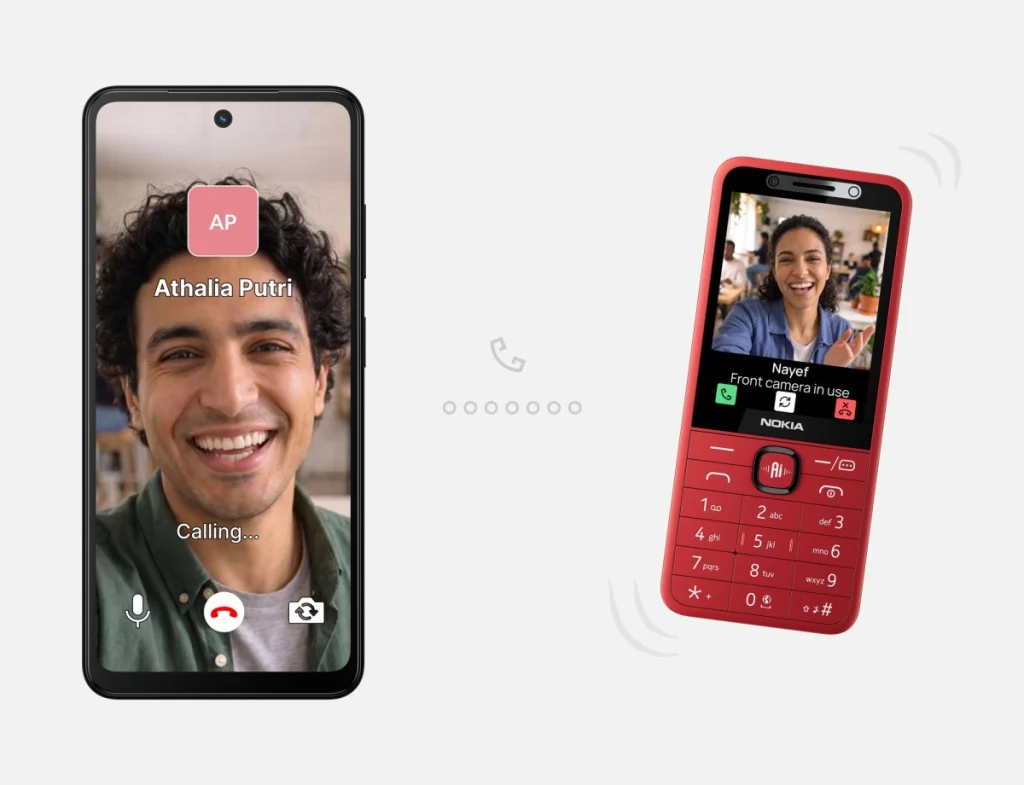
All four new Nokia models support Xpress Chat video calling through integrated VGA cameras.
That feature could be useful in markets where buyers want low-cost 4G devices for basic communication but still need occasional video access. However, the VGA camera hardware suggests expectations should remain modest.
The Nokia 210 4G and Nokia 235 4G also include rear cameras. The Nokia 235 4G offers a 2-megapixel rear camera, according to the source information.
HMD has not provided detailed information on image quality, video resolution or supported chat regions. As with the AI subscription, those details may influence how practical the feature becomes for everyday users.
HMD Keeps Betting on the Feature-Phone Market
The launch shows HMD is still investing in Nokia-branded feature phones at a time when most of the mobile industry focuses on smartphones.
That strategy reflects a continuing market for simple, lower-cost phones. Some consumers buy feature phones as backup devices. Others prefer them for basic calling, texting, battery life or reduced distraction. In many markets, 4G feature phones also serve buyers who want connectivity without the cost or complexity of a smartphone.
By adding AI and video calling, HMD appears to be testing how much modern functionality can be added without changing the basic identity of the product.
The challenge will be balance. Too little functionality may make feature phones feel dated. Too much software complexity may weaken the simplicity that attracts buyers in the first place.
Business Implications for HMD
For HMD, the new Nokia feature phones could help defend a niche that still has brand recognition and global reach.
The Nokia name remains closely associated with durable, practical phones. HMD is using that legacy while adding newer features such as AI access, USB-C charging and video calling.
The AI assistant may also open a recurring revenue opportunity if users continue paying after the free 180-day period. However, the need to use a smartphone to buy the subscription may limit adoption among users who rely only on a feature phone.
Pricing will be critical. If the devices are positioned too high, budget Android phones may become more attractive. If they remain affordable, the AI features could give HMD a point of differentiation in a category that often changes slowly.
What to Watch Next
HMD has not yet announced when the Nokia 200 4G, Nokia 210 4G, Nokia 215 4G 2nd Edition and Nokia 235 4G 2nd Edition will go on sale or how much they will cost.
The next key details to watch are pricing, regional availability, subscription cost for the AI assistant and how the Sikey AI service works in practice.
If HMD can keep the phones affordable while making the AI tools simple to use, the new Nokia feature phones could give the company a timely update to one of the mobile industry’s oldest product categories.
Nokia 200 4G • Nokia 210 4G • Nokia 215 4G 2nd Edition • Nokia 235 4G 2nd Edition
Read Also: ColorOS Merger Could Reshape OnePlus, Realme