


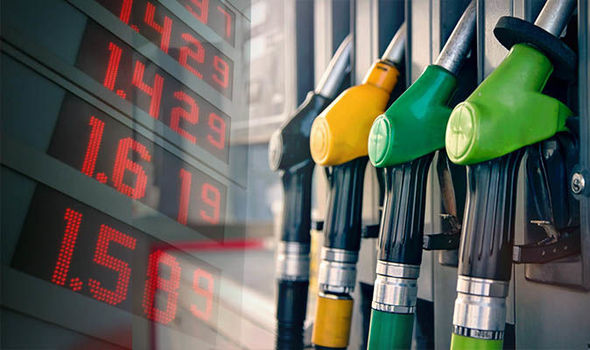
Nigeria fuel prices remain among the most closely watched economic indicators in Africa as subsidy reforms, refinery expansion, inflation pressures, and electricity shortages continue reshaping the country’s energy landscape. Gasoline, diesel, LPG, kerosene, and electricity prices directly affect transportation costs, manufacturing, agriculture, telecommunications, food distribution, and household affordability across the Nigerian economy.
As Africa’s largest crude oil producer and one of the continent’s biggest economies, Nigeria plays a central role in regional and global energy markets. Despite substantial oil production, the country has historically depended heavily on imported refined petroleum products because of limited domestic refining capacity and infrastructure constraints.
Fuel are any materials that can react with other substances to release energy as thermal energy or to be used for work. The concept was originally applied solely to those materials capable of releasing chemical energy but has since also been applied to other sources of heat energy, such as nuclear energy (via nuclear fission and nuclear fusion).
The usage and pricing of gasoline (or petrol) results from factors such as crude oil prices, processing and distribution costs, local demand, the strength of local currencies, local taxation or subsidy, and the availability of local sources of gasoline (supply). Since fuels are traded worldwide, the trade prices are similar.
Petrol subsidies mainly benefit rich people. On 1 January 2012, the Nigerian government headed by president Goodluck Ebele Jonathan, tried to cease the subsidy on petrol and deregulate the oil prices by announcing the new price for petrol as US$0.88/litre from the old subsidised price of US$0.406/litre (LAGOS), which in areas distant from Lagos petrol was priced at US$1.25/litre. This led to the longest general strike (eight days), riots, Arab spring like protests and on 16 January 2012 the government capitulated by announcing a new price of US$0.60/litre with an envisaged price of US$2.0/litre in distant areas. In May 2016 the Buhari administration increased fuel prices again to NGN 145 per litre ($0.43 at black market rates for the currency). In September 2020, the government had announced an increase in the pump price of petrol to NGN 151.56 per litre from NGN 148.
More recently, following the election of President Bola Tinubu in 2023, the Nigerian government significantly reduced the petrol price subsidy, and a year later, it finally eliminated the subsidy altogether. In November 2024, Tinubu said that the removal of the subsidy is saving Nigeria US$7.5 billion per year.
Fuel pricing has become increasingly important following the gradual removal of fuel subsidies and ongoing reforms aimed at stabilizing public finances and attracting investment into the energy sector. At the same time, electricity supply challenges continue forcing businesses and households to rely heavily on diesel generators.
Nigeria fuel prices therefore provide critical insight into inflation trends, industrial competitiveness, fiscal reform, transportation costs, and the broader transformation of Africa’s largest economy.
Read Also: Morocco Fuel Prices and Electricity Costs
Current Fuel Prices in Nigeria
The table below shows the latest available fuel and electricity prices in Nigeria.
| Fuel Type | Date | Price (NGN) | Price (USD) | Unit |
|---|---|---|---|---|
| Gasoline (Octane-95) | 18 May 2026 | 1,271.88 | 0.927 | Per liter |
| Diesel | 18 May 2026 | 1,811.88 | 1.320 | Per liter |
| LPG | 18 May 2026 | 1,205 | 0.878 | Per liter |
| Kerosene | 18 May 2026 | 1,803.75 | 1.314 | Per liter |
| Electricity (Households) | 1 Sept 2025 | 50.823 | 0.037 | Per kWh |
| Electricity (Business) | 1 Sept 2025 | 65.77 | 0.048 | Per kWh |
Diesel and kerosene prices currently remain substantially higher than gasoline prices, while electricity tariffs remain relatively low in dollar terms despite supply reliability challenges.
Current Electricity Prices in Nigeria
Electricity pricing remains one of Nigeria’s most important industrial and economic issues. Residential electricity currently averages 50.823 NGN per kWh, while businesses pay approximately 65.77 NGN per kWh.
Residential Electricity Costs
Nigerian households rely on electricity for lighting, refrigeration, cooling, telecommunications, and household appliances.
Electricity affordability remains economically sensitive because millions of households already face rising living costs.
Business Electricity Costs
Commercial electricity rates strongly influence manufacturing, telecommunications, banking, retail, and industrial operations.
However, unreliable electricity supply often forces businesses to spend heavily on diesel generators.
Electricity Supply Challenges
Power shortages and grid instability remain major challenges despite ongoing reforms and investment efforts.
Current Natural Gas Prices in Nigeria
Although separate natural gas pricing data was not provided, Nigeria remains one of Africa’s largest natural gas producers and exporters.
Natural gas plays a major role in electricity generation, industrial activity, and LNG exports.
Why Fuel Prices in Nigeria Are Rising or Falling
Several major factors influence Nigeria fuel prices.
Fuel Subsidy Reforms
The gradual removal of fuel subsidies remains one of the biggest drivers of recent pricing changes.
Global Oil Prices
International crude oil markets continue influencing domestic fuel costs and government revenues.
Refining Capacity Expansion
New refinery projects are expected to reshape domestic fuel supply conditions over time.
Exchange Rate Movements
The Nigerian naira’s performance against the U.S. dollar strongly affects imported fuel costs.
Transportation and Distribution Costs
Fuel transportation and logistics expenses influence retail pricing nationwide.
Gasoline Prices in Nigeria
Gasoline prices currently average 1,271.88 NGN per liter or approximately $0.927 USD per liter.
Transportation Costs
Gasoline prices directly affect commuting expenses, taxis, buses, and household transportation budgets.
Consumer Spending Effects
Higher fuel prices reduce purchasing power and increase inflationary pressure.
Read Also: Malawi Fuel Prices and Electricity Costs
Urban Transportation Demand
Cities such as Lagos and Abuja continue experiencing massive transportation demand because of urban population growth.
Diesel Prices in Nigeria
Diesel currently costs approximately 1,811.88 NGN per liter, making it one of the most expensive major fuel products listed.
Generator Dependency
Diesel generators remain critical for businesses and households because of electricity reliability issues.
Industrial and Logistics Demand
Manufacturing plants, telecom towers, logistics operators, and industrial systems depend heavily on diesel-powered infrastructure.
Food Distribution Costs
Diesel pricing strongly influences transportation and retail food prices nationwide.
LPG Prices in Nigeria
LPG currently averages 1,205 NGN per liter.
Household Cooking Fuel
LPG use continues expanding as households transition away from traditional biomass fuels.
Cleaner Energy Transition
Authorities continue encouraging LPG adoption for cleaner household energy usage.
Affordability Challenges
Rising LPG prices remain a concern for urban households and middle-income consumers.
Kerosene Prices in Nigeria
Kerosene currently averages 1,803.75 NGN per liter.
Household Energy Usage
Many households continue using kerosene for cooking and lighting applications.
Rural Energy Dependence
Kerosene remains important where electricity access remains limited or unreliable.
Price Pressure on Consumers
High kerosene costs significantly affect lower-income households.
Electricity Prices and Power Costs
Electricity remains central to Nigeria’s industrial growth and economic transformation ambitions.
Natural Gas Generation
Gas-fired power plants dominate Nigeria’s electricity generation system.
Industrial Electricity Demand
Manufacturing, telecommunications, banking, and mining sectors require reliable electricity supply.
Renewable Energy Opportunities
Solar energy projects continue gaining momentum across Nigeria.
Grid Infrastructure Challenges
Transmission bottlenecks and electricity losses continue affecting supply reliability.
How Nigeria Compares to Other Countries
Nigeria fuel prices remain relatively moderate compared with some African economies despite subsidy reforms.
Compared With Ghana
Ghana generally experiences higher gasoline prices because of different market structures and exchange-rate conditions.
Compared With Angola
Angola maintains cheaper fuel prices because of stronger subsidy systems and domestic production advantages.
Compared With Kenya
Kenya faces higher imported fuel transportation costs and different tax structures.
Compared With Global Averages
Electricity tariffs remain low in dollar terms despite widespread generator dependence.
Economic Impact of Fuel Prices in Nigeria
Energy prices strongly influence Nigeria’s broader economy.
Inflation and Cost of Living
Transportation and electricity costs directly affect food prices and household affordability.
Industrial Competitiveness
Reliable and affordable energy remains essential for manufacturing and industrial growth.
Fiscal Reform and Public Finances
Fuel subsidy reforms remain important for reducing government expenditure pressure.
Household Budgets
Fuel and electricity costs consume a substantial share of consumer spending.
Economic Growth
Energy infrastructure remains critical for investment, trade, and industrial expansion.
Government Policies Affecting Fuel Prices
Government policy remains central to Nigeria’s energy market.
Subsidy Reform Programs
Authorities continue implementing fuel subsidy reforms to improve fiscal sustainability.
Refinery Expansion Projects
Domestic refining capacity expansion aims to reduce fuel import dependence.
Electricity Sector Reforms
Power sector privatization and infrastructure investment remain ongoing priorities.
Renewable Energy Development
Solar and off-grid electricity projects continue expanding nationwide.
Future Fuel Price Forecast for Nigeria
The outlook for Nigeria fuel prices depends heavily on subsidy policy, refinery expansion, and global oil markets.
Oil Market Trends
International crude oil prices will continue influencing gasoline and diesel affordability.
Refinery Development
Additional refining capacity may improve fuel availability and reduce import dependence.
Currency Stability
Exchange-rate performance will remain important for imported fuel pricing.
Renewable Energy Growth
Solar and decentralized power projects may gradually reduce generator dependence.
Frequently Asked Questions About Fuel Prices in Nigeria
Why are fuel prices important in Nigeria?
Fuel prices affect transportation, inflation, manufacturing, electricity generation, and household affordability.
What is the current gasoline price in Nigeria?
Gasoline prices currently average 1,271.88 NGN per liter or approximately $0.927 USD per liter.
Read Also: Ghana Fuel Prices and Electricity Costs
Why is diesel expensive in Nigeria?
Diesel demand for generators, logistics, manufacturing, and industrial operations increases pricing pressure.
Why do businesses rely on generators in Nigeria?
Electricity reliability challenges continue forcing businesses to use backup diesel generators.
Does Nigeria produce oil and natural gas?
Yes. Nigeria is one of Africa’s largest producers of crude oil and natural gas.
Are fuel prices expected to rise in Nigeria?
Future prices will depend on subsidy reforms, refinery expansion, exchange rates, and global oil markets.
Conclusion
Nigeria fuel prices remain closely connected to subsidy reforms, domestic refining capacity, electricity infrastructure conditions, and global oil market trends. Gasoline, diesel, LPG, kerosene, and electricity costs continue influencing inflation, transportation expenses, industrial competitiveness, and household affordability across the country.
Although Nigeria remains one of the world’s major oil-producing economies, electricity shortages and refining constraints continue creating major challenges for businesses and consumers. Expanding domestic refining capacity and electricity infrastructure modernization will remain critical for long-term economic growth and energy security.
Looking ahead, Nigeria’s energy future will depend on balancing affordability, fiscal sustainability, industrial expansion, electricity reliability, and infrastructure modernization. Monitoring Nigeria fuel prices therefore remains essential for understanding both consumer conditions and the broader transformation of Africa’s largest energy market.
Read Also: Niger Fuel Prices and Energy Costs


