


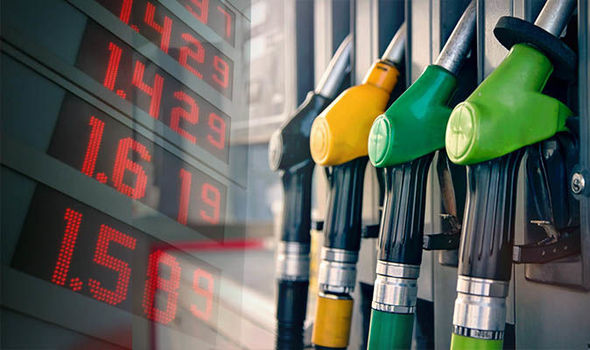
Morocco fuel prices remain one of the most important economic indicators in North Africa as transportation costs, imported petroleum dependency, electricity pricing, and renewable energy expansion continue shaping inflation and household affordability across the country. Gasoline, diesel, and electricity prices directly affect transportation expenses, agriculture, manufacturing, tourism, mining, and household budgets throughout the Moroccan economy.
Although Morocco has expanded renewable electricity generation significantly in recent years, the country still depends heavily on imported petroleum products for transportation and industrial energy needs. Fuel pricing therefore remains highly sensitive to global crude oil markets, exchange-rate movements, shipping costs, and geopolitical developments.
Fuel are any materials that can react with other substances to release energy as thermal energy or to be used for work. The concept was originally applied solely to those materials capable of releasing chemical energy but has since also been applied to other sources of heat energy, such as nuclear energy (via nuclear fission and nuclear fusion). The usage and pricing of gasoline (or petrol) results from factors such as crude oil prices, processing and distribution costs, local demand, the strength of local currencies, local taxation or subsidy, and the availability of local sources of gasoline (supply). Since fuels are traded worldwide, the trade prices are similar.
Read Also: Malawi Fuel Prices and Electricity Costs
Electricity pricing also remains central to Morocco’s industrial competitiveness and long-term economic transformation strategy. The country has become one of Africa’s leaders in renewable energy investment, particularly in solar and wind generation, helping strengthen energy security and reduce long-term import dependence.
Morocco fuel prices therefore provide important insight into inflation trends, transportation costs, renewable energy development, and the broader modernization of one of Africa’s most diversified economies.
Current Fuel Prices in Morocco
The table below shows the latest available fuel and electricity prices in Morocco.
| Fuel Type | Date | Price (MAD) | Price (USD) | Unit |
|---|---|---|---|---|
| Gasoline (Octane-95) | 18 May 2026 | 14.9 | 1.617 | Per liter |
| Diesel | 18 May 2026 | 14.5 | 1.573 | Per liter |
| Electricity (Households) | 1 Sept 2025 | 1.172 | 0.127 | Per kWh |
| Electricity (Business) | 1 Sept 2025 | 1.072 | 0.116 | Per kWh |
Gasoline prices currently remain slightly higher than diesel prices, while business electricity tariffs remain lower than residential household rates.
Current Electricity Prices in Morocco
Electricity pricing remains one of Morocco’s most important industrial and infrastructure issues. Residential electricity currently averages 1.172 MAD per kWh, while businesses pay approximately 1.072 MAD per kWh.
Residential Electricity Costs
Moroccan households rely heavily on electricity for lighting, refrigeration, cooling, telecommunications, and household appliances.
Electricity affordability remains economically sensitive because utility bills directly affect household living costs.
Business Electricity Costs
Commercial electricity rates strongly influence manufacturing, tourism, mining, automotive production, and industrial competitiveness.
Reliable electricity supply remains essential for attracting investment and supporting export industries.
Renewable Energy Leadership
Morocco has become one of Africa’s leading renewable energy investors, especially in solar and wind power generation.
Current Natural Gas Prices in Morocco
Although separate natural gas pricing data was not provided, natural gas continues playing an increasingly important role in Morocco’s energy diversification strategy and electricity generation planning.
The country continues expanding LNG and regional gas infrastructure projects.
Why Fuel Prices in Morocco Are Rising or Falling
Several major factors influence Morocco fuel prices.
Global Oil Prices
International crude oil markets remain one of the largest drivers of gasoline and diesel pricing.
Imported Fuel Dependency
Morocco imports most petroleum products used across transportation and industrial systems.
Exchange Rate Movements
Currency fluctuations strongly influence imported fuel costs and inflation.
Shipping and Logistics Costs
Maritime transportation and global trade conditions affect fuel import expenses.
Energy Transition Policies
Renewable energy investment may gradually reduce long-term fossil fuel dependency.
Gasoline Prices in Morocco
Gasoline prices currently average 14.9 MAD per liter or approximately $1.617 USD per liter.
Transportation Costs
Gasoline prices directly affect commuting expenses, taxis, ride-hailing services, and household transportation budgets.
Consumer Spending Effects
Higher transportation costs reduce purchasing power and increase inflationary pressure.
Urban Transportation Demand
Cities such as Casablanca and Rabat continue experiencing growing transportation demand linked to urbanization and economic expansion.
Diesel Prices in Morocco
Diesel currently costs approximately 14.5 MAD per liter.
Freight and Logistics
Diesel remains essential for cargo transportation, shipping logistics, and industrial supply chains.
Agriculture and Manufacturing
Agriculture machinery, freight vehicles, and industrial systems rely heavily on diesel-powered operations.
Tourism and Commercial Transport
Tourism transportation networks and commercial logistics depend significantly on diesel-powered vehicles.
Electricity Prices and Power Costs
Electricity remains central to Morocco’s industrial growth and renewable energy ambitions.
Industrial Electricity Demand
Automotive manufacturing, mining, tourism, and export industries require reliable electricity supply.
Solar Energy Expansion
Morocco has invested heavily in major solar energy infrastructure projects, including facilities near Ouarzazate.
Read Also: Lesotho Fuel Prices and Electricity Costs
Wind Power Development
Wind generation continues expanding as part of the country’s energy diversification strategy.
Grid Infrastructure Modernization
Electricity transmission upgrades remain essential for supporting industrial growth and renewable integration.
How Morocco Compares to Other Countries
Morocco fuel prices remain broadly competitive within North Africa.
Compared With Algeria
Algeria benefits from domestic hydrocarbon production and significantly cheaper fuel prices.
Compared With Tunisia
Both countries face imported fuel dependency and transportation cost pressures.
Compared With Egypt
Egypt benefits from larger domestic natural gas production capacity.
Compared With Global Averages
Electricity prices remain moderate relative to many European markets.
Economic Impact of Fuel Prices in Morocco
Energy prices strongly influence Morocco’s broader economy.
Inflation and Cost of Living
Transportation and electricity costs directly affect food prices and household affordability.
Industrial Competitiveness
Reliable and affordable electricity remains essential for export-oriented manufacturing.
Tourism Sector Costs
Hotels, airlines, transport companies, and tourism operators monitor fuel prices closely.
Household Budgets
Transportation and utility expenses consume a significant share of consumer spending.
Economic Growth
Energy infrastructure remains critical for industrial expansion and foreign investment.
Government Policies Affecting Fuel Prices
Government policy remains central to Morocco’s energy market.
Renewable Energy Strategy
Authorities continue prioritizing solar and wind electricity development.
Fuel Market Oversight
Government agencies monitor transportation fuel affordability because of inflation concerns.
Electricity Infrastructure Investment
Grid modernization and renewable integration remain strategic national priorities.
Energy Diversification
Reducing dependence on imported fossil fuels remains a major long-term policy goal.
Future Fuel Price Forecast for Morocco
The outlook for Morocco fuel prices depends heavily on global oil markets, renewable energy expansion, and exchange-rate conditions.
Oil Market Trends
International crude oil prices will continue influencing gasoline and diesel affordability.
Renewable Energy Growth
Additional solar and wind projects may strengthen long-term electricity stability and energy security.
Read Also: Ghana Fuel Prices and Electricity Costs
Transportation Demand
Urbanization and economic growth are expected to increase transportation fuel consumption.
Industrial Expansion
Manufacturing and tourism growth will continue increasing electricity demand nationwide.
Frequently Asked Questions About Fuel Prices in Morocco
Why are fuel prices important in Morocco?
Fuel prices affect transportation, tourism, manufacturing, inflation, and household affordability.
What is the current gasoline price in Morocco?
Gasoline prices currently average 14.9 MAD per liter or approximately $1.617 USD per liter.
Why is Morocco investing heavily in renewable energy?
Renewable energy helps improve energy security and reduce dependence on imported fossil fuels.
Why is electricity important to Morocco’s economy?
Electricity supports manufacturing, tourism, mining, and industrial development.
Does Morocco produce oil or natural gas?
Morocco has limited hydrocarbon production and relies heavily on imported fuel products.
Are fuel prices expected to rise in Morocco?
Future prices will depend on global oil markets, exchange rates, and renewable energy expansion.
Conclusion
Morocco fuel prices remain closely connected to imported petroleum dependency, transportation demand, renewable energy investment, and global oil market conditions. Gasoline, diesel, and electricity costs continue influencing inflation, industrial competitiveness, transportation expenses, and household affordability across the country.
Although Morocco remains dependent on imported fossil fuels, the country’s aggressive renewable energy expansion strategy provides major long-term advantages for energy security and industrial development. Solar and wind investment will continue reshaping Morocco’s electricity system and reducing vulnerability to global energy shocks.
Looking ahead, Morocco’s energy future will depend on balancing affordability, industrial growth, renewable energy expansion, and transportation demand. Monitoring Morocco fuel prices therefore remains essential for understanding both consumer conditions and the broader transformation of North Africa’s energy landscape.
Read Also: Mayotte Fuel Prices and Energy Costs


