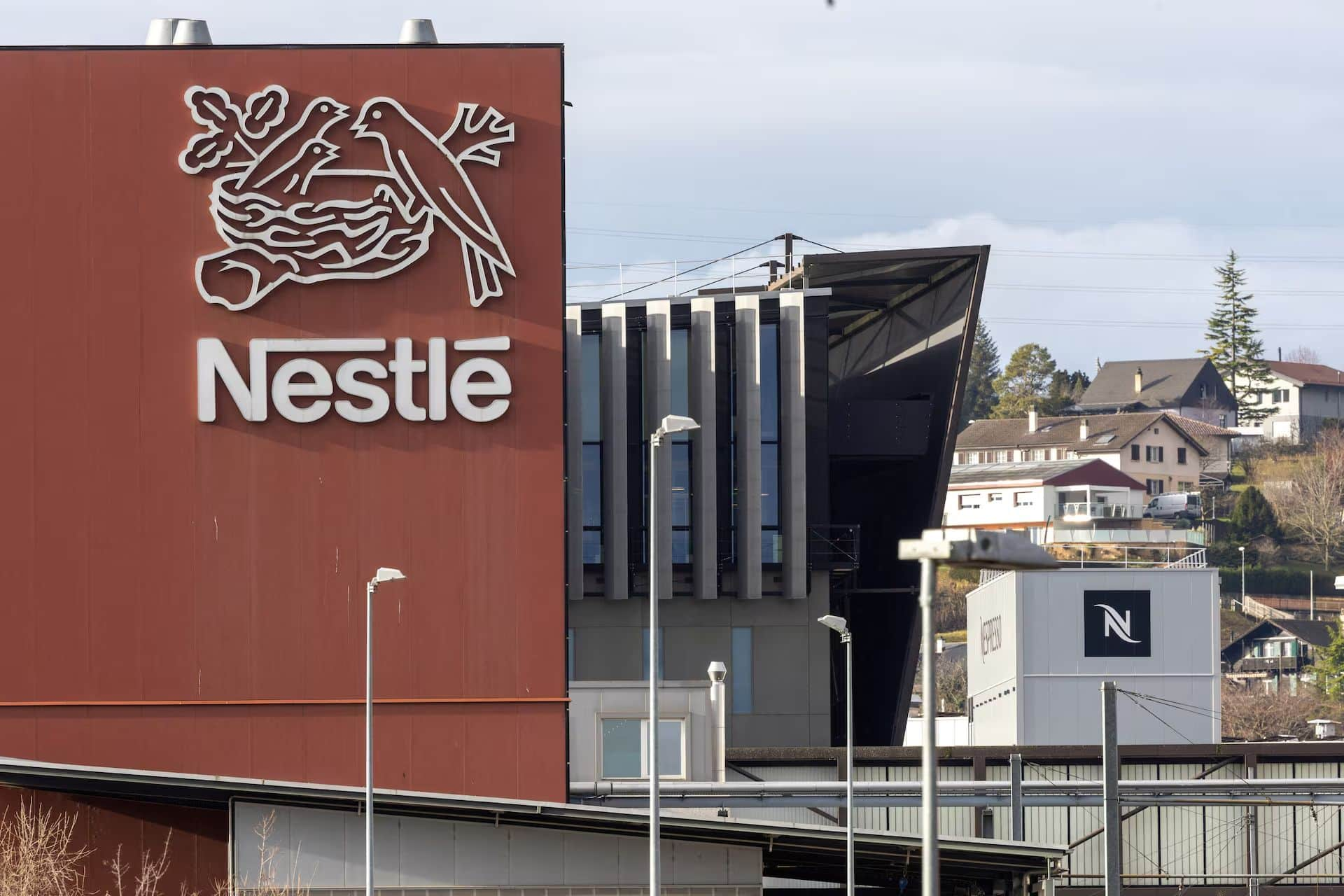
Nestle acquisitions show how one of the world’s largest food and beverage companies used M&A to expand across nutrition, infant food, frozen meals, confectionery, ice cream, wellness products, ready-made meals, and food manufacturing. From 2000 to 2021, Nestle completed 15 acquisitions with a total disclosed deal value of about $41.5 billion and an average disclosed deal size of roughly $2.8 billion.
The acquisition record is heavily concentrated in food and consumer health. Manufacturing, food and beverage, and food processing each account for 6 deals. Health care and nutrition each account for 3. That pattern shows a company using acquisitions to strengthen its core food business while moving deeper into health, wellness, and nutrition-led categories.
The most recent listed acquisition is The Bountiful Company, acquired in April 2021 for $5.8 billion. The deal expanded Nestle’s position in health and wellness products, including brands and goods connected to supplements and consumer wellbeing.
The largest listed acquisition was Wyeth Nutritionals, acquired in 2012 for $11.8 billion. That deal strengthened Nestle’s infant nutrition business, one of the most strategically important categories in global packaged food.
What Is Nestle?
Nestle is a food and beverage manufacturing company offering products and services for all stages of life. Its business spans coffee, dairy, nutrition, confectionery, frozen foods, prepared meals, infant food, wellness products, and consumer health categories.
The company’s acquisition history reflects a clear strategic direction. Nestle has used M&A to strengthen high-frequency consumer categories, expand in premium nutrition, enter faster-growing wellness markets, and reinforce its position in food products that consumers buy repeatedly.
Its acquisition record includes baby food, infant nutrition, medical nutrition, ice cream, frozen pizza, breakfast foods, snacks, ready-made meals, sports nutrition, canned food, confectionery, and supplements.
This makes Nestle a strong example of how a mature consumer goods company can use acquisitions to refresh growth. Instead of relying only on legacy packaged food brands, the company bought assets linked to changing consumer habits, including health, convenience, wellness, and at-home eating.
Why Nestle Acquisitions Matter
Nestle acquisitions matter because they reveal how global food companies adapt to changing consumer behavior. Food and beverage businesses face constant pressure from shifting diets, health trends, private-label competition, inflation, and changing retail channels.
Acquisitions allow Nestle to move faster into categories where demand is growing. Infant nutrition, medical nutrition, wellness products, supplements, ready-made meals, and premium frozen foods can offer stronger growth than slower traditional packaged food categories.
The company’s M&A record also shows how Nestle has built a portfolio for different stages of life. Gerber and Wyeth Nutritionals strengthened baby and infant products. Novartis Medical Nutrition expanded specialized nutrition. PowerBar added sports and wellness positioning. Atrium Innovations and The Bountiful Company expanded health and supplement exposure.
At the same time, deals such as Chef America, Kraft Pizza, Dreyer’s, Delta Ice Cream, and Freshly show Nestle’s commitment to convenient food, frozen meals, and at-home consumption.
Full List of Nestle Acquisitions
| Acquiree | Announced Date | Price | Main Category | Strategic Value |
|---|---|---|---|---|
| The Bountiful Company | Apr 30, 2021 | $5.8B | Health Care / Wellness | Adds health and wellness brands and consumer supplement exposure. |
| Freshly | Oct 30, 2020 | $950.0M | E-Commerce / Food Delivery | Adds ready-made meal delivery capability. |
| Yinlu | Jun 28, 2018 | $7.6M | Food and Beverage | Adds canned food and beverage manufacturing exposure. |
| Atrium Innovations | Dec 5, 2017 | $2.3B | Biotechnology / Wellness | Adds development, manufacturing, and commercialization capability in health-focused products. |
| Wyeth Nutritionals | Apr 23, 2012 | $11.8B | Infant Nutrition | Adds a high-growth infant nutrition business with strong brands. |
| Hsu Fu Chi | Jul 11, 2011 | $1.7B | Confectionery / Snacks | Adds confectionery, biscuits, chocolates, jellies, sachima, and snack products. |
| Kraft Pizza | Jan 5, 2010 | $3.7B | Frozen Food | Adds pizza manufacturing and frozen meal capability. |
| Gerber Products Company | Apr 12, 2007 | $5.5B | Baby Food / Health Care | Adds baby food and baby product leadership. |
| Novartis Medical Nutrition | Dec 14, 2006 | $2.5B | Medical Nutrition | Adds products for consumers with special nutritional requirements. |
| Dreyer’s | Jun 18, 2006 | $2.4B | Ice Cream / Food and Beverage | Adds major ice cream brands and frozen dessert scale. |
| Uncle Tobys | May 23, 2006 | $890.0M | Breakfast Foods | Adds breakfast cereals and breakfast food products. |
| Delta Ice Cream | Dec 19, 2005 | $288.0M | Ice Cream / Frozen Foods | Adds ice cream and frozen product manufacturing. |
| Chef America – Assets | Aug 6, 2002 | $2.6B | Frozen Foods | Adds frozen hand-held food products. |
| Ice Cream Partners | Dec 26, 2001 | $641.0M | Ice Cream | Adds novelty ice cream business capability. |
| PowerBar | Feb 23, 2000 | $375.0M | Nutrition / Wellness | Adds sports nutrition and wellness positioning. |
Nestle Acquisitions Timeline
2000: Sports Nutrition With PowerBar
Nestle’s listed acquisition history begins in 2000 with PowerBar, acquired for $375.0 million. PowerBar was created by athletes for athletes and gave Nestle exposure to sports nutrition and wellness.
This acquisition was strategically important because it showed Nestle moving beyond traditional food into functional nutrition. Sports nutrition products connect food with performance, energy, and lifestyle.
2001: Ice Cream Expansion
In 2001, Nestle acquired Ice Cream Partners for $641.0 million. The business added novelty ice cream capability.
Ice cream is a strong category for large food companies because it combines indulgence, brand loyalty, repeat purchase behavior, and frozen distribution. This deal strengthened Nestle’s position in frozen desserts.
2002: Frozen Hand-Held Foods
In 2002, Nestle acquired Chef America assets for $2.6 billion. Chef America manufactured and marketed frozen hand-held food products.
The acquisition added scale in convenience food. Frozen hand-held meals fit busy consumer lifestyles and support at-home eating with minimal preparation.
2005: More Frozen Dessert Scale
In 2005, Nestle acquired Delta Ice Cream for $288.0 million. Delta Ice Cream provided ice cream and other frozen products.
This deal continued the company’s frozen dessert strategy and strengthened its manufacturing and food processing exposure.
2006: Breakfast, Ice Cream, and Medical Nutrition
The year 2006 was active for Nestle. The company acquired Uncle Tobys, Dreyer’s, and Novartis Medical Nutrition.
Uncle Tobys added breakfast cereals and other breakfast foods. Dreyer’s expanded Nestle’s ice cream business. Novartis Medical Nutrition strengthened the company’s position in products for consumers with special nutritional requirements.
This year shows Nestle balancing indulgence, everyday breakfast consumption, and medical nutrition.
2007: Baby Food With Gerber
In 2007, Nestle acquired Gerber Products Company for $5.5 billion. Gerber is a baby food and baby products business.
This acquisition was one of Nestle’s most important moves into early-life nutrition. Baby food is a strategic category because parents value trust, safety, quality, and brand reputation.
Gerber also fit Nestle’s broader idea of serving consumers across life stages.
2010: Frozen Pizza With Kraft Pizza
In 2010, Nestle acquired Kraft Pizza for $3.7 billion. The business produced and sold pizza to customers across various channels.
Frozen pizza strengthened Nestle’s position in prepared meals and convenience foods. It also expanded the company’s exposure to at-home dining.
2011: Confectionery Growth With Hsu Fu Chi
In 2011, Nestle acquired Hsu Fu Chi for $1.7 billion. The company manufactured confectionery, biscuits, chocolates, jellies, sachima, and snacks.
This deal added scale in snacks and confectionery. It also strengthened Nestle’s position in a category driven by brand, distribution, taste, and repeat purchases.
2012: Infant Nutrition With Wyeth Nutritionals
In 2012, Nestle acquired Wyeth Nutritionals for $11.8 billion. It was described as a high-quality, high-growth infant nutrition business with strong brands.
This was the largest listed Nestle acquisition. It deepened the company’s presence in infant nutrition and strengthened its life-stage nutrition strategy.
2017: Wellness and Health Products With Atrium Innovations
In 2017, Nestle acquired Atrium Innovations for $2.3 billion. Atrium specialized in development, manufacturing, and commercialization of health-focused products.
The deal showed Nestle moving further into consumer health, supplements, and wellness-related categories.
2018: Canned Food and Beverage Manufacturing
In 2018, Nestle acquired Yinlu for $7.6 million. Yinlu is a canned food and beverage manufacturing company.
Although small by value compared with Nestle’s largest deals, Yinlu added food and beverage manufacturing capability.
2020: Ready-Made Meal Delivery With Freshly
In 2020, Nestle acquired Freshly for $950.0 million. Freshly delivered prepared ready-made meals to customers’ doors.
This deal reflected changing consumer demand for convenience, e-commerce, and direct-to-consumer food delivery. It gave Nestle exposure to a meal delivery model that sat outside traditional grocery shelves.
2021: Health and Wellness With The Bountiful Company
In 2021, Nestle acquired The Bountiful Company for $5.8 billion. The company offered a wide range of health and wellness brands and products.
This acquisition strengthened Nestle’s position in wellness and supplements. It also continued the company’s shift toward nutrition, health, and consumer wellbeing.
Biggest Nestle Acquisitions by Deal Value
| Rank | Acquiree | Announced Date | Deal Value | Strategic Area |
|---|---|---|---|---|
| 1 | Wyeth Nutritionals | Apr 23, 2012 | $11.8B | Infant nutrition |
| 2 | The Bountiful Company | Apr 30, 2021 | $5.8B | Health and wellness |
| 3 | Gerber Products Company | Apr 12, 2007 | $5.5B | Baby food and baby products |
| 4 | Kraft Pizza | Jan 5, 2010 | $3.7B | Frozen pizza and prepared foods |
| 5 | Chef America – Assets | Aug 6, 2002 | $2.6B | Frozen hand-held foods |
| 6 | Novartis Medical Nutrition | Dec 14, 2006 | $2.5B | Medical nutrition |
| 7 | Dreyer’s | Jun 18, 2006 | $2.4B | Ice cream |
| 8 | Atrium Innovations | Dec 5, 2017 | $2.3B | Wellness and health products |
| 9 | Hsu Fu Chi | Jul 11, 2011 | $1.7B | Confectionery and snacks |
| 10 | Freshly | Oct 30, 2020 | $950.0M | Ready-made meal delivery |
The largest acquisitions show Nestle’s priorities clearly. Infant nutrition, baby food, wellness, frozen foods, medical nutrition, and ice cream dominate the top of the list.
Most Common Acquisition Categories
| Category | Number of Deals | Strategic Meaning |
|---|---|---|
| Manufacturing | 6 | Strengthens food production, frozen foods, supplements, and wellness manufacturing. |
| Food and Beverage | 6 | Reinforces Nestle’s core consumer packaged goods business. |
| Food Processing | 6 | Adds capabilities in frozen foods, snacks, confectionery, canned goods, and ice cream. |
| Health Care | 3 | Supports wellness, baby products, and nutrition-led categories. |
| Nutrition | 3 | Expands infant nutrition, medical nutrition, and sports nutrition exposure. |
The category mix shows that Nestle acquisitions are tightly connected to food, nutrition, and consumer health. Even when the company moves into wellness, the strategy still fits its broader identity as a food and life-stage nutrition business.
Strategic Lessons From Nestle Acquisitions
Nutrition Became a Growth Engine
Nestle’s acquisitions of PowerBar, Novartis Medical Nutrition, Gerber, Wyeth Nutritionals, Atrium Innovations, and The Bountiful Company show a long-term shift toward nutrition and wellness.
This matters because consumers increasingly connect food with health, energy, immunity, performance, and wellbeing.
Convenience Food Remained Important
Chef America, Kraft Pizza, Freshly, and frozen dessert deals show that convenience has also been central to Nestle’s M&A strategy.
Consumers want food that saves time. Frozen meals, prepared meals, and delivery-ready products help Nestle meet that demand.
Life-Stage Strategy Adds Stability
Nestle’s acquisitions cover athletes, infants, babies, adults with medical nutrition needs, wellness consumers, and families buying frozen meals or snacks.
That gives the company exposure to multiple life stages and consumption occasions.
How Nestle Acquisitions Fit Its Business Model
Nestle’s business model depends on branded food, beverages, nutrition, manufacturing scale, distribution, trust, and repeat consumer purchases. Acquisitions fit this model because they add brands, categories, manufacturing assets, customer relationships, and new growth channels.
Gerber and Wyeth Nutritionals fit Nestle’s nutrition and baby food strategy. Dreyer’s, Delta Ice Cream, and Ice Cream Partners fit its frozen dessert strategy. Chef America and Kraft Pizza fit its convenience food strategy. The Bountiful Company and Atrium Innovations fit its wellness strategy.
Freshly added a newer model: direct meal delivery. That acquisition showed Nestle experimenting with consumer access beyond traditional retail.
Together, these deals helped Nestle expand into categories where brand trust and everyday consumption matter.
Financial and Ownership Context
Nestle completed 15 acquisitions from 2000 to 2021. Total disclosed deal value was about $41.5 billion, with an average disclosed deal size of approximately $2.8 billion.
The average is shaped by several large transactions. Wyeth Nutritionals, The Bountiful Company, Gerber, Kraft Pizza, Chef America, Novartis Medical Nutrition, Dreyer’s, and Atrium Innovations were all major deals.
This financial pattern shows Nestle’s willingness to spend heavily when an acquisition strengthens a major strategic category. Infant nutrition, baby food, health and wellness, and frozen foods were not side bets. They were meaningful portfolio moves.
The record also includes smaller acquisitions such as Yinlu and Delta Ice Cream, showing that Nestle can use both large platform deals and smaller targeted transactions.
Competitive Impact of Nestle Acquisitions
Nestle acquisitions strengthened the company’s competitive position by expanding its portfolio across high-value food and nutrition categories.
Wyeth Nutritionals and Gerber improved its position in early-life nutrition. The Bountiful Company and Atrium Innovations expanded wellness and supplements. Kraft Pizza and Chef America strengthened frozen meals. Dreyer’s, Ice Cream Partners, and Delta Ice Cream expanded ice cream and frozen desserts. Hsu Fu Chi added confectionery and snacks.
This broader portfolio helps Nestle compete across supermarkets, pharmacies, e-commerce channels, food delivery, health stores, and international consumer markets.
However, competition remains intense. Nestle competes with global food companies, private-label brands, supplement companies, meal delivery firms, local food manufacturers, and health-focused challengers.
Advantages of the Acquisition Strategy
Stronger Nutrition Portfolio
Nestle acquired major assets in infant nutrition, baby food, medical nutrition, sports nutrition, and wellness products.
Greater Consumer Reach
The acquisitions cover many occasions, including breakfast, snacks, baby feeding, frozen meals, desserts, sports use, and supplements.
Brand Expansion
Deals such as Gerber, Wyeth Nutritionals, Dreyer’s, Hsu Fu Chi, and The Bountiful Company added recognizable consumer brands or category strength.
Convenience Food Growth
Chef America, Kraft Pizza, and Freshly strengthened Nestle’s position in ready-to-eat and easy-preparation meals.
Health and Wellness Positioning
Atrium Innovations and The Bountiful Company moved Nestle deeper into wellness and supplement categories.
Disadvantages of the Acquisition Strategy
Integration Complexity
Nestle must integrate different brands, factories, supply chains, regulatory requirements, and distribution channels.
Consumer Taste Risk
Food preferences change quickly. Products that perform well today may lose appeal as consumer diets shift.
Health and Regulation Risk
Nutrition, baby food, supplements, and medical nutrition products can face regulatory scrutiny and high quality expectations.
High Purchase Prices
Large deals such as Wyeth Nutritionals and The Bountiful Company require strong execution to justify their valuations.
Channel Disruption
E-commerce, direct delivery, private labels, and digital-first food brands can change how consumers buy food and wellness products.
Case Studies of Major Nestle Acquisitions
Wyeth Nutritionals
Wyeth Nutritionals was Nestle’s largest listed acquisition at $11.8 billion. It added a high-growth infant nutrition business with strong brands.
The deal was strategically important because infant nutrition is a trust-driven category. Parents value safety, quality, science, and brand reputation. Wyeth strengthened Nestle’s position in early-life nutrition.
The Bountiful Company
The Bountiful Company was acquired for $5.8 billion in 2021. It offered health and wellness brands and products.
This acquisition moved Nestle deeper into supplements and consumer wellness. It reflected growing demand for products linked to prevention, wellbeing, and healthier lifestyles.
Gerber Products Company
Gerber was acquired for $5.5 billion in 2007. It added baby food and baby products.
This deal strengthened Nestle’s life-stage nutrition strategy. Gerber gave the company a major position in baby food, a category built on trust and repeat purchasing.
Kraft Pizza
Kraft Pizza was acquired for $3.7 billion in 2010. The business produced and sold pizza across various channels.
The acquisition expanded Nestle’s frozen food portfolio and strengthened its role in convenient at-home meals.
Freshly
Freshly was acquired for $950.0 million in 2020. It delivered ready-made meals directly to customers.
This acquisition represented Nestle’s interest in food delivery, e-commerce, and prepared meal convenience. It was different from traditional grocery acquisitions because it connected Nestle more directly to consumers.
Common Mistakes When Analyzing Nestle Acquisitions
Treating Nestle as Only a Packaged Food Company
Nestle is still a food and beverage giant, but its acquisitions show a broader strategy in nutrition, wellness, supplements, medical nutrition, and meal delivery.
Looking Only at Frozen Foods
Frozen foods are important, but the largest deals show that baby food, infant nutrition, and wellness are equally central to the acquisition strategy.
Ignoring Life-Stage Positioning
Nestle acquisitions serve different life stages, from infants and babies to athletes, families, medical nutrition users, and wellness consumers.
Confusing Deal Size With Long-Term Impact
A smaller acquisition can still matter if it gives Nestle access to a new channel, region, or category.
Underestimating Regulatory and Trust Issues
Baby food, nutrition, supplements, and medical nutrition require high standards. Brand trust can be damaged quickly if quality or regulatory issues arise.
Lessons for Business Owners and Investors
Nestle’s acquisition history offers several lessons.
First, large consumer companies use M&A to follow changing consumer habits. Nestle expanded into wellness, ready meals, frozen foods, infant nutrition, and supplements because demand patterns shifted.
Second, trust is a valuable asset. Gerber, Wyeth Nutritionals, Novartis Medical Nutrition, and The Bountiful Company all operate in categories where consumers care deeply about safety and credibility.
Third, convenience matters. Frozen meals, pizza, hand-held foods, and ready-made meal delivery show how time-saving products create acquisition value.
Fourth, health and wellness can reshape food strategy. Nestle’s move into supplements and medical nutrition shows how food companies compete in broader wellbeing markets.
Finally, acquisition success depends on execution. Buying a strong brand is only the beginning. Nestle must manage quality, distribution, innovation, pricing, and consumer relevance.
Key Takeaways
- Nestle completed 15 acquisitions from 2000 to 2021.
- Total disclosed deal value was about $41.5 billion.
- The average disclosed acquisition size was approximately $2.8 billion.
- Manufacturing, food and beverage, and food processing each accounted for 6 acquisitions.
- Health care and nutrition each accounted for 3 acquisitions.
- The largest listed acquisition was Wyeth Nutritionals at $11.8 billion.
- The most recent listed acquisition was The Bountiful Company in 2021 for $5.8 billion.
- Nestle acquisitions focus on infant nutrition, baby food, wellness, frozen meals, ice cream, snacks, and food manufacturing.
- Gerber strengthened baby food, while Wyeth Nutritionals strengthened infant nutrition.
- The Bountiful Company and Atrium Innovations expanded wellness and health products.
- Freshly added direct-to-consumer ready-made meal delivery.
- Key risks include integration, regulation, changing tastes, high valuations, and channel disruption.
Frequently Asked Questions
What are Nestle acquisitions?
Nestle acquisitions are companies or assets acquired by Nestle to expand its food, beverage, nutrition, wellness, frozen food, baby food, and consumer health businesses.
How many acquisitions has Nestle made?
Nestle has made 15 acquisitions across the period from 2000 to 2021 in this acquisition record.
What is the total value of Nestle acquisitions?
The total disclosed value of Nestle acquisitions is about $41.5 billion.
What is Nestle’s average acquisition size?
Nestle’s average disclosed acquisition size is approximately $2.8 billion.
What was Nestle’s most recent listed acquisition?
The most recent listed acquisition was The Bountiful Company, acquired in April 2021 for $5.8 billion.
What is Nestle’s biggest listed acquisition?
The biggest listed Nestle acquisition was Wyeth Nutritionals, acquired in April 2012 for $11.8 billion.
Why did Nestle acquire Gerber?
Nestle acquired Gerber to strengthen its baby food and baby products business and expand its position in early-life nutrition.
Why did Nestle acquire The Bountiful Company?
Nestle acquired The Bountiful Company to expand its health and wellness portfolio, including consumer brands and products linked to wellbeing.
Which sectors dominate Nestle acquisitions?
Nestle acquisitions are dominated by manufacturing, food and beverage, food processing, health care, nutrition, wellness, frozen foods, baby food, and supplements.
What are the risks of Nestle’s acquisition strategy?
The main risks include integration challenges, changing consumer tastes, regulatory scrutiny, high acquisition prices, quality control, and competition from private-label and digital-first brands.
Conclusion
Nestle acquisitions show how a global food and beverage company can use M&A to reshape its portfolio around nutrition, wellness, convenience, and life-stage consumer needs. From 2000 to 2021, Nestle completed 15 acquisitions with total disclosed deal value of about $41.5 billion and an average disclosed deal size of roughly $2.8 billion.
The company’s largest deals reveal its strategic priorities. Wyeth Nutritionals and Gerber strengthened infant and baby nutrition. The Bountiful Company and Atrium Innovations expanded health and wellness. Kraft Pizza, Chef America, Freshly, Dreyer’s, Delta Ice Cream, and Ice Cream Partners strengthened frozen foods, ice cream, and convenient meals. Hsu Fu Chi added confectionery and snacks.
For business owners, investors, and consumer goods analysts, Nestle acquisitions offer a clear lesson: food companies grow by following consumer needs. Those needs include trust, nutrition, convenience, indulgence, wellness, and reliable brands. Nestle’s M&A strategy reflects that reality, using acquisitions to stay relevant across changing diets, retail channels, and life stages.
Disclaimer: This article is for informational and educational purposes only. It is not investment advice, financial advice, or a recommendation to buy or sell any security. Always conduct your own research and consider speaking with a qualified financial adviser before making investment decisions.
Read Also: NCC Group Acquisitions: How NCC Built Its Business Through M&A