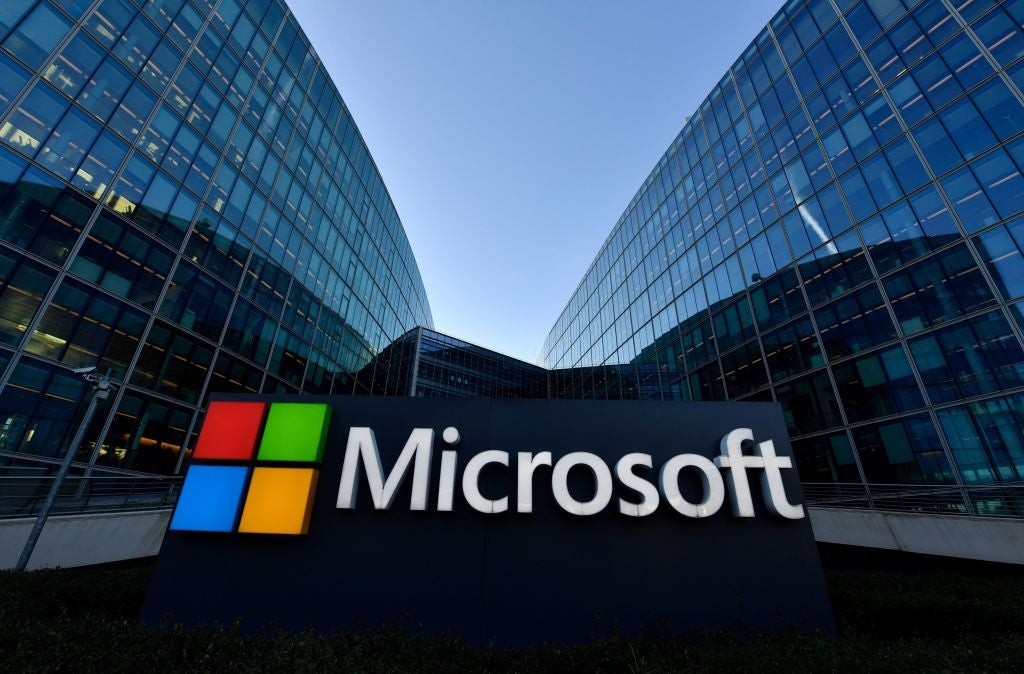
Microsoft acquisitions show how one of the world’s most important technology companies used M&A to expand far beyond its original software business. From 1987 to 2023, Microsoft completed 45 acquisitions with a total disclosed deal value of about $165.0 billion and an average disclosed deal size of roughly $3.7 billion.
The company’s M&A activity has focused primarily on enterprise software, software, computer technology, mobile, and information technology. Enterprise software accounts for 9 deals, software for 7, and computer, mobile, and information technology each account for 5.
That pattern reflects Microsoft’s transformation. The company began as a software corporation built around operating systems and productivity tools. Over time, it used acquisitions to strengthen cloud computing, gaming, developer platforms, cybersecurity, artificial intelligence, enterprise data, professional networking, mobile productivity, and datacenter infrastructure.
The most recent listed acquisition is Fungible, acquired in January 2023 for a reported $190.0 million. Fungible created hardware and software platforms for datacenters, and Microsoft said the acquisition would support datacenter innovation through technology such as data processing units, networking performance, and storage efficiency.
Microsoft’s largest acquisition is Activision Blizzard, announced in January 2022 for $68.7 billion and completed in October 2023. The deal became the largest acquisition in Microsoft’s history and one of the most important gaming transactions ever completed.
What Is Microsoft?
Microsoft is a software corporation that develops, manufactures, licenses, supports, and sells a wide range of software products and services. Today, the company is much broader than traditional packaged software. Its business includes cloud computing, enterprise productivity, operating systems, gaming, cybersecurity, developer tools, artificial intelligence, hardware, professional networking, and data infrastructure.
Microsoft’s major product and platform ecosystem includes Windows, Microsoft 365, Azure, Xbox, LinkedIn, GitHub, Teams, Dynamics, security products, developer tools, and AI-powered services. Its acquisition history shows how the company expanded around those platforms.
Unlike companies that acquire mainly for short-term revenue, Microsoft often buys businesses that strengthen strategic ecosystems. GitHub deepened its developer reach. LinkedIn expanded professional data and enterprise networking. Nuance strengthened healthcare AI and speech technology. Activision Blizzard transformed its gaming business. Fungible supported datacenter infrastructure for cloud workloads.
That is the key to understanding Microsoft acquisitions. They are not random purchases. They are often platform moves designed to strengthen Microsoft’s position in markets where software, cloud, data, AI, and user ecosystems overlap.
Why Microsoft Acquisitions Matter
Microsoft acquisitions matter because they show how Big Tech companies adapt to major platform shifts. Microsoft has gone through several technology eras: personal computing, enterprise software, internet services, mobile, cloud computing, gaming subscriptions, developer ecosystems, cybersecurity, and artificial intelligence.
Acquisitions helped Microsoft respond to those shifts.
Acompli helped improve mobile email and later influenced Outlook’s mobile experience. GitHub gave Microsoft a central role in open-source development. LinkedIn gave it a professional network and major enterprise data asset. Nuance brought conversational AI and healthcare documentation technology. ZeniMax and Activision Blizzard strengthened Microsoft Gaming and Xbox. Fungible added datacenter technology relevant to Azure.
The acquisition record also shows Microsoft’s strategic patience. Some deals were small technology tuck-ins. Others were platform-defining transactions. The company used both approaches: buy small teams and tools when needed, and make bold multibillion-dollar moves when an entire market category mattered.
Full List of Microsoft Acquisitions
The table below summarizes 20 notable Microsoft acquisitions from the available record.
| Acquiree | Announced Date | Price | Main Category | Strategic Value |
|---|---|---|---|---|
| Fungible | Jan 9, 2023 | $190.0M | Computer / Datacenter | Adds hardware and software platforms for datacenter networking, storage, and DPU innovation. |
| Activision Blizzard | Jan 18, 2022 | $68.7B | Gaming / Entertainment | Adds major gaming franchises and strengthens Xbox, Game Pass, mobile gaming, and cloud gaming strategy. |
| Ally.io | Oct 7, 2021 | $76.0M | Enterprise Software | Adds strategic goal-planning and execution management software. |
| RiskIQ | Jul 11, 2021 | $500.0M | Cybersecurity | Adds digital threat management and external attack surface visibility. |
| Nuance Communications | Apr 12, 2021 | $19.7B | AI / Enterprise Software / Healthcare | Adds conversational AI, speech recognition, and healthcare documentation technology. |
| ZeniMax | Sep 21, 2020 | $7.5B | Gaming / Media | Adds game studios, entertainment content, and franchises for Xbox. |
| CyberX | May 5, 2020 | $165.0M | Cybersecurity / Industrial | Adds IoT and operational technology security capability. |
| Affirmed Networks | Mar 26, 2020 | $1.4B | Mobile / Wireless | Adds mobile network solutions and telecom cloud infrastructure capability. |
| GitHub | Jun 3, 2018 | $7.5B | Developer Tools / Cloud | Adds code hosting, developer community, open-source reach, and software collaboration. |
| Cloudyn | Jun 28, 2017 | $60.0M | Cloud Management | Adds cloud cost management and multi-cloud optimization tools. |
| Hexadite | May 24, 2017 | $100.0M | Cybersecurity | Adds intelligent security automation and orchestration capability. |
| Jun 13, 2016 | $26.2B | Professional Networking | Adds professional identity, recruiting, enterprise data, and business networking. | |
| SwiftKey | Feb 2, 2016 | $250.0M | Mobile / AI | Adds AI-powered keyboard and mobile language prediction technology. |
| Secure Islands Technologies | Nov 9, 2015 | $77.5M | Data Security | Adds policy-based data classification and protection. |
| VoloMetrix | Sep 11, 2015 | $250.0M | Enterprise Analytics | Adds workforce analytics and organizational productivity insights. |
| Adallom | Jul 19, 2015 | $320.0M | Cloud Security | Adds cloud application security technology. |
| Wunderlist | Jun 2, 2015 | $150.0M | Productivity Apps | Adds cloud-based task management capability. |
| Sunrise | Feb 4, 2015 | $100.0M | Calendar / Productivity | Adds calendar technology for mobile and web users. |
| Acompli | Dec 1, 2014 | $200.0M | Mobile Email | Adds professional mobile email, calendaring, and file-sharing technology. |
| Aorato | Nov 13, 2014 | $200.0M | Security Analytics | Adds behavior-based identity and security analytics. |
Microsoft Acquisitions Timeline
2014: Mobile Productivity and Identity Security
In 2014, Microsoft acquired Acompli and Aorato. Acompli was a mobile email app for professionals that combined advanced email, calendaring, and file sharing. Aorato protected organizations by learning, profiling, and predicting entity behavior.
These deals reflected two Microsoft priorities at the time: mobile productivity and enterprise security.
Acompli was especially important because Microsoft needed stronger mobile experiences across iOS and Android. The acquisition helped the company improve Outlook’s mobile direction and compete in a world where work had moved beyond desktop Windows.
Aorato fit Microsoft’s enterprise security strategy. As cloud identity and enterprise networks became more complex, behavioral analytics became more important for detecting unusual activity.
2015: Productivity Apps, Cloud Security, and Enterprise Analytics
Microsoft was highly active in 2015. The company acquired Sunrise, Wunderlist, Adallom, VoloMetrix, and Secure Islands Technologies.
Sunrise added calendar technology. Wunderlist added task management. Adallom strengthened cloud application security. VoloMetrix added workplace analytics. Secure Islands added data classification and protection.
This cluster of deals shows Microsoft building around Microsoft 365 before AI-powered productivity became the dominant conversation. The company was acquiring tools to improve email, calendars, tasks, data security, workplace insights, and cloud application protection.
The pattern was clear: Microsoft wanted to own more of the modern work experience.
2016: LinkedIn and SwiftKey
In 2016, Microsoft acquired SwiftKey for $250.0 million and LinkedIn for $26.2 billion.
SwiftKey brought mobile keyboard technology and AI-powered language prediction. It was a smaller deal, but it reflected Microsoft’s interest in mobile intelligence and natural user interfaces.
LinkedIn was far larger and more strategic. It gave Microsoft the world’s leading professional network, a major recruiting platform, and a rich data asset around jobs, skills, companies, and business relationships.
The LinkedIn acquisition became one of Microsoft’s most important platform deals. It strengthened Microsoft’s enterprise ecosystem and created long-term opportunities across productivity, sales, recruiting, advertising, and professional identity.
2017: Cloud Management and Security Automation
In 2017, Microsoft acquired Hexadite and Cloudyn. Hexadite provided intelligent security automation and orchestration. Cloudyn provided cloud business management tools for multi-cloud enterprises.
These acquisitions supported Azure and Microsoft’s security business. As cloud adoption accelerated, customers needed better cost management, threat response, and automation.
Cloudyn helped customers understand cloud usage and costs. Hexadite helped automate security operations. Both deals aligned with Microsoft’s push to make Azure more enterprise-ready.
2018: GitHub and the Developer Ecosystem
In 2018, Microsoft acquired GitHub for $7.5 billion. GitHub is a code hosting platform that allows developers to build software for open-source and private projects.
This acquisition was strategically important because it repositioned Microsoft as a central company in modern software development. Historically, Microsoft had a complicated relationship with open source. GitHub helped change that perception.
GitHub also strengthened Microsoft’s developer tools ecosystem. It complemented Azure, Visual Studio, DevOps tools, and later AI coding products. The acquisition gave Microsoft a platform used by millions of developers and organizations.
2020: Gaming, Telecom Cloud, and Security
In 2020, Microsoft acquired Affirmed Networks, CyberX, and ZeniMax.
Affirmed Networks added mobile network solutions, helping Microsoft expand into telecom cloud infrastructure. CyberX strengthened Microsoft’s industrial IoT and operational technology security capabilities. ZeniMax added major game studios and entertainment content.
ZeniMax was the largest of the three at $7.5 billion. It expanded Microsoft’s gaming portfolio and supported Xbox Game Pass, content ownership, and long-term gaming strategy.
The 2020 deals show Microsoft investing across three major themes: cloud infrastructure, cybersecurity, and gaming content.
2021: Healthcare AI, Cybersecurity, and Enterprise Execution
In 2021, Microsoft acquired Nuance Communications, RiskIQ, and Ally.io.
Nuance was a major $19.7 billion acquisition. It added conversational AI and speech recognition technology, with particular strength in healthcare documentation. This deal strengthened Microsoft’s industry cloud strategy and gave it a deeper position in healthcare AI.
RiskIQ added digital threat management. Ally.io added strategic goal-planning and execution management software.
Together, these deals supported Microsoft’s strategy in AI, security, healthcare, and enterprise productivity.
2022: Activision Blizzard Changes Microsoft Gaming
In January 2022, Microsoft announced its plan to acquire Activision Blizzard for $68.7 billion. The deal was completed on October 13, 2023 after a long regulatory review process. Microsoft described the completion as a major milestone in gaming.
Activision Blizzard added major gaming franchises, studios, and mobile gaming exposure. The acquisition strengthened Microsoft Gaming, Xbox, Game Pass, and its ability to compete in the global gaming market.
The deal was also closely watched by regulators because of concerns around competition, cloud gaming, and control over major gaming content.
2023: Fungible and Datacenter Innovation
In January 2023, Microsoft announced the acquisition of Fungible, a company creating hardware and software platforms for datacenters. Microsoft said Fungible’s technology would help accelerate datacenter innovation, including networking and storage performance with efficient, low-power data processing units.
This acquisition was much smaller than Activision Blizzard, LinkedIn, or Nuance, but it was strategically relevant to Azure. Cloud infrastructure depends on performance, efficiency, networking, and datacenter design. Fungible fit that need.
Biggest Microsoft Acquisitions by Deal Value
Microsoft’s largest acquisitions show the company’s biggest strategic commitments across gaming, professional networking, AI, developer tools, cloud, and enterprise platforms.
| Rank | Acquiree | Announced Date | Deal Value | Strategic Area |
| 1 | Activision Blizzard | Jan 18, 2022 | $68.7B | Gaming and entertainment |
| 2 | Jun 13, 2016 | $26.2B | Professional networking and enterprise data | |
| 3 | Nuance Communications | Apr 12, 2021 | $19.7B | Conversational AI and healthcare technology |
| 4 | GitHub | Jun 3, 2018 | $7.5B | Developer tools and open-source software |
| 5 | ZeniMax | Sep 21, 2020 | $7.5B | Gaming studios and content |
| 6 | Affirmed Networks | Mar 26, 2020 | $1.4B | Telecom cloud and mobile networks |
| 7 | RiskIQ | Jul 11, 2021 | $500.0M | Cybersecurity |
| 8 | Adallom | Jul 19, 2015 | $320.0M | Cloud application security |
| 9 | SwiftKey | Feb 2, 2016 | $250.0M | Mobile AI and keyboard technology |
| 10 | VoloMetrix | Sep 11, 2015 | $250.0M | Enterprise analytics |
The ranking shows how Microsoft’s largest deals were not limited to traditional software. Gaming, AI, professional networking, developer platforms, cloud infrastructure, and cybersecurity all became major acquisition themes.
Most Common Acquisition Categories
Microsoft acquisitions are concentrated in enterprise software, software, computer technology, mobile, and information technology.
| Category | Number of Deals | Strategic Meaning |
| Enterprise Software | 9 | Strengthens Microsoft 365, business productivity, security, analytics, and enterprise platforms. |
| Software | 7 | Supports Microsoft’s core identity as a software company. |
| Computer | 5 | Adds datacenter, hardware, security, and computing capabilities. |
| Mobile | 5 | Supports cross-platform productivity, mobile intelligence, and network technologies. |
| Information Technology | 5 | Expands cloud, IT management, data, developer, and security functions. |
This category mix shows that Microsoft used acquisitions to support both its legacy software strength and its newer cloud, AI, gaming, and enterprise ambitions.
Strategic Lessons From Microsoft Acquisitions
Platform Acquisitions Can Reshape a Company
LinkedIn, GitHub, Nuance, ZeniMax, and Activision Blizzard were not small product add-ons. They were platform acquisitions.
Each gave Microsoft a stronger position in a major ecosystem. LinkedIn expanded professional networking. GitHub expanded developer reach. Nuance strengthened healthcare AI. ZeniMax and Activision Blizzard expanded gaming content.
Small Deals Can Strengthen Core Products
Acompli, Sunrise, Wunderlist, Aorato, Adallom, Cloudyn, Hexadite, and Fungible were smaller than Microsoft’s biggest acquisitions, but they supported important product areas.
These smaller deals helped Microsoft improve mobile email, calendars, task management, cloud security, cloud management, identity analytics, and datacenter infrastructure.
Microsoft Uses M&A to Follow Platform Shifts
Microsoft’s acquisitions track the direction of the technology market. When work moved mobile, Microsoft bought mobile productivity tools. When cloud security became critical, it bought cybersecurity companies. When developers became central to cloud adoption, it bought GitHub. When gaming content became more important, it bought ZeniMax and Activision Blizzard.
How Microsoft Acquisitions Fit Its Business Model
Microsoft’s business model is built around software, cloud services, productivity tools, enterprise subscriptions, gaming, developer platforms, and increasingly AI-powered services. Acquisitions fit this model because they strengthen platforms that already serve millions of users and organizations.
A company like GitHub becomes more valuable when connected to Azure, Visual Studio, DevOps, and AI coding tools. LinkedIn becomes more strategic when connected to Microsoft 365, Dynamics, advertising, recruiting, and professional data. Nuance becomes more powerful when integrated with Microsoft Cloud for Healthcare and AI services.
Gaming acquisitions fit a similar pattern. ZeniMax and Activision Blizzard strengthened Microsoft’s content library, which supports Xbox, Game Pass, PC gaming, cloud gaming, and mobile gaming.
Fungible fits the infrastructure layer. Azure requires massive datacenter investment, and better networking and storage performance can improve cloud efficiency.
Financial and Ownership Context
Microsoft completed 45 acquisitions from 1987 to 2023, with total disclosed deal value of about $165.0 billion and an average disclosed deal size of approximately $3.7 billion.
The average is heavily shaped by Activision Blizzard. At $68.7 billion, the deal was far larger than any previous Microsoft acquisition. LinkedIn, Nuance, GitHub, and ZeniMax also contributed significantly to the total.
The Activision Blizzard transaction closed on October 13, 2023 after regulatory approvals and remedies, including changes tied to cloud gaming rights.
Microsoft’s acquisition record shows a company willing to pay large prices when a target gives it strategic control of an important market. However, the record also includes many smaller acquisitions that helped improve core products, add technical talent, or close gaps in cloud, security, mobile, and productivity.
Competitive Impact of Microsoft Acquisitions
Microsoft acquisitions strengthened the company’s competitive position across several markets.
In enterprise software, acquisitions such as LinkedIn, Nuance, Acompli, VoloMetrix, Ally.io, and Wunderlist expanded Microsoft’s productivity and business software ecosystem.
In developer tools, GitHub gave Microsoft unmatched reach into software development communities.
In cloud computing, Fungible, Cloudyn, Affirmed Networks, CyberX, Adallom, Hexadite, RiskIQ, and Aorato strengthened Azure infrastructure, security, cloud management, and enterprise trust.
In gaming, ZeniMax and Activision Blizzard gave Microsoft major content libraries and stronger competition against Sony, Nintendo, Tencent, and other gaming companies.
The competitive impact is especially important because Microsoft’s strategy depends on ecosystems. Acquisitions help the company make its platforms more valuable, harder to replace, and more connected.
Advantages of the Acquisition Strategy
Stronger Platform Ecosystems
Microsoft acquisitions strengthen connected ecosystems around Azure, Microsoft 365, Xbox, LinkedIn, GitHub, security, and AI.
Faster Market Entry
Buying companies allows Microsoft to enter or expand in markets faster than building every capability internally.
Access to Talent and Technology
Many acquisitions brought engineering teams, products, patents, data, and specialized expertise.
Greater Enterprise Depth
Deals in cybersecurity, analytics, cloud management, and productivity made Microsoft more valuable to large organizations.
Content and Community Ownership
GitHub, LinkedIn, ZeniMax, and Activision Blizzard gave Microsoft major communities, content libraries, and user networks.
Disadvantages of the Acquisition Strategy
Regulatory Risk
Large Microsoft acquisitions can attract intense regulatory scrutiny. Activision Blizzard faced a long review process involving concerns around gaming competition and cloud gaming.
Integration Complexity
Microsoft acquires companies across very different markets, including gaming, AI, healthcare, cybersecurity, networking, productivity, and professional networking. Integrating them requires discipline.
High Purchase Prices
Large deals such as Activision Blizzard, LinkedIn, Nuance, GitHub, and ZeniMax require strong long-term execution to justify their prices.
Cultural Risk
Developer communities, gaming studios, professional networks, and enterprise software teams may have very different cultures. Poor integration can reduce value.
Strategic Distraction
A broad acquisition strategy can create management complexity. Microsoft must balance investments across cloud, AI, productivity, gaming, and enterprise software.
Case Studies of Major Microsoft Acquisitions
Activision Blizzard
Activision Blizzard was Microsoft’s largest acquisition, announced for $68.7 billion in January 2022 and completed in October 2023. The deal added major gaming franchises, studios, and mobile gaming exposure.
Strategically, the acquisition strengthened Xbox, Game Pass, PC gaming, cloud gaming, and Microsoft’s position in gaming content. It also gave Microsoft exposure to major franchises such as Call of Duty, World of Warcraft, Diablo, Overwatch, and Candy Crush.
The deal became a major regulatory case because of concerns about competition in console and cloud gaming.
LinkedIn was acquired for $26.2 billion in 2016. It gave Microsoft the world’s leading professional networking platform.
The strategic value was broad. LinkedIn strengthened Microsoft’s position in recruiting, professional identity, enterprise data, advertising, sales tools, and business networking.
The deal also complemented Microsoft 365 and Dynamics by adding a professional graph that could support multiple enterprise products.
Nuance Communications
Nuance Communications was acquired for $19.7 billion in 2021. The company provided conversational AI and speech recognition technology, with strong relevance to healthcare.
The acquisition strengthened Microsoft’s AI and industry cloud strategy. Nuance’s healthcare documentation tools fit Microsoft’s push into vertical-specific cloud services.
GitHub
GitHub was acquired for $7.5 billion in 2018. It gave Microsoft a central position in the global developer ecosystem.
This acquisition improved Microsoft’s credibility with open-source developers and strengthened its relationship with software teams. It also became strategically important as AI coding tools and cloud development gained momentum.
Fungible
Fungible was acquired in 2023 for a reported $190.0 million. Microsoft said Fungible’s technology would help deliver datacenter innovation, networking improvements, and low-power data processing unit solutions.
This deal was smaller than Microsoft’s platform acquisitions, but it mattered for Azure infrastructure. Cloud competition increasingly depends on datacenter performance, efficiency, and specialized hardware.
Common Mistakes When Analyzing Microsoft Acquisitions
Looking Only at the Biggest Deals
Activision Blizzard, LinkedIn, and Nuance dominate the headlines, but smaller acquisitions such as Acompli, Adallom, Aorato, Cloudyn, CyberX, and Fungible also strengthened key Microsoft products.
Ignoring Ecosystem Fit
Microsoft acquisitions should be analyzed by how they fit into platforms such as Azure, Microsoft 365, Xbox, GitHub, LinkedIn, and security.
Treating Gaming as Separate From Cloud
Gaming is not only about consoles. Microsoft’s gaming strategy also connects to subscriptions, cloud infrastructure, PC gaming, mobile gaming, and content libraries.
Underestimating Regulatory Risk
The Activision Blizzard review showed that even a company as large as Microsoft can face major regulatory obstacles before closing a deal.
Confusing Purchase Price With Success
A high purchase price does not guarantee success. The real test is whether Microsoft can integrate the asset and create long-term strategic value.
Lessons for Business Owners and Investors
Microsoft’s acquisition history offers several lessons.
First, platform companies buy ecosystems, not just products. LinkedIn, GitHub, Activision Blizzard, and Nuance each gave Microsoft a strategic platform or community.
Second, small acquisitions can have outsized impact. Acompli improved Microsoft’s mobile productivity strategy, while security acquisitions strengthened enterprise trust.
Third, M&A follows technology shifts. Microsoft’s acquisitions track major shifts into cloud, mobile, AI, cybersecurity, gaming subscriptions, and developer platforms.
Fourth, regulation matters more than ever. Big Tech acquisitions must survive antitrust review, public scrutiny, and competition concerns.
Finally, integration is the real test. Microsoft’s best acquisitions are those that become stronger inside its broader ecosystem.
Key Takeaways
- Microsoft completed 45 acquisitions from 1987 to 2023.
- Total disclosed deal value was about $165.0 billion.
- The average disclosed acquisition size was approximately $3.7 billion.
- Enterprise software was the most common category, with 9 deals.
- Software accounted for 7 acquisitions.
- Computer, mobile, and information technology each accounted for 5 acquisitions.
- The largest acquisition was Activision Blizzard at $68.7 billion.
- LinkedIn was acquired for $26.2 billion.
- Nuance Communications was acquired for $19.7 billion.
- GitHub and ZeniMax were each acquired for $7.5 billion.
- Fungible was the most recent listed acquisition in January 2023.
- Microsoft’s acquisition strategy focuses on cloud, AI, gaming, cybersecurity, productivity, developer tools, enterprise software, and datacenter infrastructure.
Frequently Asked Questions
What are Microsoft acquisitions?
Microsoft acquisitions are companies acquired by Microsoft to expand its software, cloud, gaming, AI, cybersecurity, enterprise, developer tools, mobile, and datacenter businesses.
How many acquisitions has Microsoft made?
This acquisition record includes 45 Microsoft acquisitions from 1987 to 2023.
What is the total value of Microsoft acquisitions?
The total disclosed value of Microsoft acquisitions in this record is about $165.0 billion.
What is Microsoft’s average acquisition size?
Microsoft’s average disclosed acquisition size is approximately $3.7 billion.
What is Microsoft’s biggest acquisition?
Microsoft’s biggest acquisition is Activision Blizzard, announced for $68.7 billion and completed in October 2023.
What was Microsoft’s most recent listed acquisition?
The most recent listed acquisition is Fungible, announced in January 2023. Microsoft said the deal would support datacenter innovation.
Why did Microsoft acquire LinkedIn?
Microsoft acquired LinkedIn to expand into professional networking, recruiting, enterprise data, advertising, and business relationship tools.
Why did Microsoft acquire GitHub?
Microsoft acquired GitHub to strengthen its developer ecosystem, open-source presence, code hosting, and cloud development strategy.
Why did Microsoft acquire Nuance?
Microsoft acquired Nuance to expand its conversational AI and healthcare technology capabilities.
What are the risks of Microsoft’s acquisition strategy?
The main risks include regulatory scrutiny, high purchase prices, integration complexity, cultural mismatch, and strategic distraction.
Conclusion
Microsoft acquisitions show how a software company became a broader technology platform spanning cloud, productivity, gaming, AI, cybersecurity, developer tools, professional networking, and datacenter infrastructure. From 1987 to 2023, Microsoft completed 45 acquisitions with total disclosed deal value of about $165.0 billion.
The company’s biggest deals reveal its strategic direction. Activision Blizzard transformed Microsoft Gaming. LinkedIn expanded its professional network and enterprise data reach. Nuance strengthened healthcare AI. GitHub gave Microsoft a central role in software development. ZeniMax added gaming content. Fungible supported datacenter innovation for Azure.
For business owners, investors, and technology analysts, Microsoft acquisitions offer a clear lesson: the most powerful M&A strategies strengthen ecosystems. Microsoft’s strongest deals did not simply add products. They added platforms, communities, infrastructure, content, data, and capabilities that made the company’s wider business more valuable.
Disclaimer: This article is for informational and educational purposes only. It is not investment advice, financial advice, or a recommendation to buy or sell any security. Always conduct your own research and consider speaking with a qualified financial adviser before making investment decisions.
Read Also: Meta Acquisitions: How Meta Built Its Business Through M&A