President Yoweri Museveni has given the green light to businessman Hamis Kiggundu’s proposal to transform the Nakivubo drainage channel, a move aimed at tackling long-standing flooding and waste management issues in Kampala. The President’s approval came after Kiggundu, through his company Ham Enterprises (U) Limited, outlined plans to clean, strengthen, and redevelop the channel at his own expense.
In a letter addressed to Prime Minister Robinah Nabbanja, Museveni expressed his support for the project, describing Kiggundu’s proposal as both “imaginative and simple.” The President emphasized the potential benefits of revitalizing the Nakivubo channel. “His proposal is imaginative and simple. Allow him to clean and strengthen the channel at his own cost. What a bold proposal! How will he recover his money? Allow him to build properties above it that will bring back his money,” Museveni’s letter reads.
A Vision for a Cleaner Kampala

The proposed redevelopment seeks to address the persistent problem of flooding and environmental degradation in areas surrounding the Nakivubo drainage channel. In addition to upgrading the channel’s infrastructure, Kiggundu’s plan aims to create a cleaner and more organized urban space that could transform this troubled area into a vibrant part of Kampala.
The plan includes creating retention ponds and improving drainage pipes, making the area less prone to flooding. The new design will also involve measures to prevent the channel from being a dumping ground for waste, including plastics and sewage, which have plagued the area for years.
Controversy from KCCA and Lukwago
However, the project has faced opposition from Kampala Capital City Authority (KCCA). Dorothy Lukwago, the KCCA executive director, voiced concerns about the proposed development, stating that there were no current plans in place by KCCA to upgrade the Nakivubo drainage channel. While KCCA’s city-wide drainage master plan addresses other channels, it has not allocated resources specifically for Nakivubo.
Lukwago’s office also raised environmental concerns, questioning whether the proposed redevelopment would effectively address the risks posed by floodwaters and pollution. “The channel is a natural watercourse, and tampering with it could cause unforeseen consequences,” Lukwago warned.
Additionally, there are political undercurrents at play, with Lukwago arguing that the development project might be driven more by business and political interests rather than public welfare.
A Waste Disposal and Health Issue
For years, the Nakivubo drainage channel has been a site for the illegal dumping of waste, which worsens the city’s sanitation problems. The channel, which runs through residential areas, has become a breeding ground for disease, with waste like plastics, animal waste, and raw sewage regularly found along its path.
KCCA has emphasized the need for comprehensive waste management strategies before any development proceeds. According to KCCA, a more detailed environmental impact study must be conducted to ensure that the project won’t exacerbate the city’s waste management crisis.
The Political Angle
There is an ongoing political debate surrounding the project. Mayor Erias Lukwago, known for his outspoken views, criticized the proposal, suggesting that it was influenced more by Kiggundu’s business interests than by a genuine desire to improve Kampala’s infrastructure. “It’s very strange that someone wants to build over Nakivubo Channel,” Lukwago stated, expressing concerns that plugging the channel could lead to more flooding in the city’s low-lying areas.
He also pointed out that such developments could be used for political leverage, with critics questioning whether the project would be misused for private gain rather than community benefit.
A Potential Transformation for Kampala


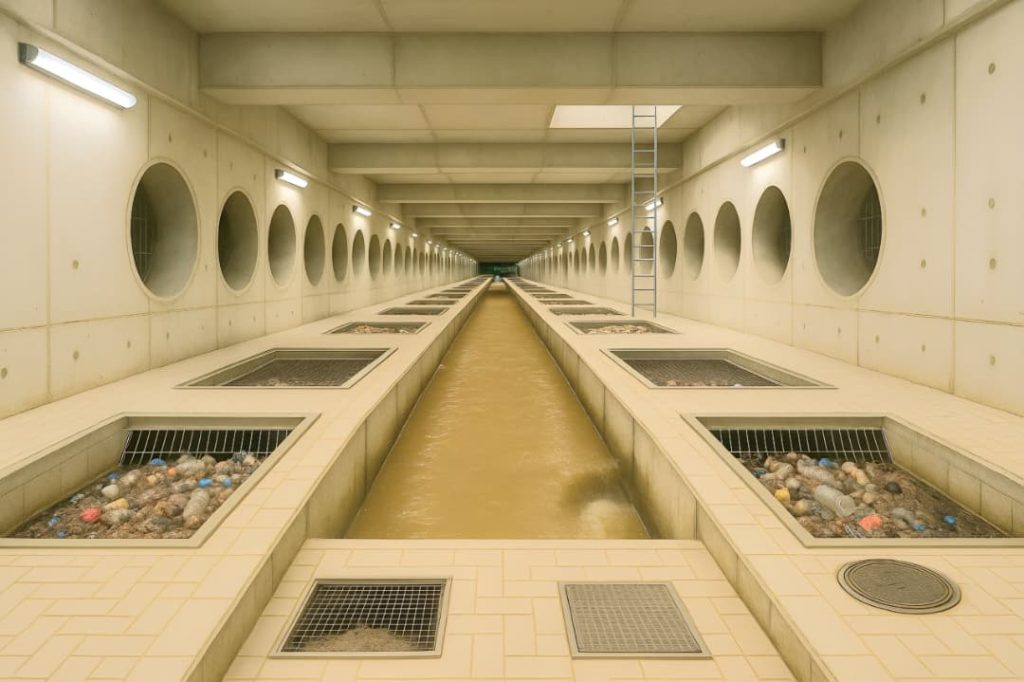


Despite these concerns, Kiggundu remains committed to the project, arguing that Nakivubo’s revitalization is essential for addressing Kampala’s growing infrastructure needs. If successful, the redevelopment could lead to reduced flooding, improved sanitation, and better urban planning in one of Kampala’s most neglected areas.
Supporters of the project argue that it could become a model for other drainage channels in the city, contributing to cleaner, safer, and more sustainable urban development. With the backing of President Museveni, Kiggundu’s proposal has the potential to reshape the city’s drainage infrastructure and boost the local economy.
As discussions continue, KCCA and other stakeholders are expected to work on refining the project’s scope, ensuring that it balances development with the preservation of environmental health.