City businessman Hamis Kiggundu, widely known as Ham, has strongly defended his ongoing redevelopment project for the Nakivubo Channel, framing it as not only an essential step in urban renewal but also a matter of national pride. Speaking out over the weekend, Kiggundu addressed mounting criticism and a threat of legal action from Kampala Lord Mayor Erias Lukwago, underscoring the importance of the project for the future of Kampala and the nation as a whole.
The Nakivubo Channel was sealed off over the weekend, marking the official start of the redevelopment work. Kiggundu emphasized that the neglected state of the channel had long posed public health and safety risks, which have contributed to major flooding in Kampala, especially during heavy rainfall. He also noted that the channel had become a hotspot for criminal activity, resulting in the loss of numerous lives.

A Dangerous and Polluted Waterway
Kiggundu described the Nakivubo Channel, which runs through one of Kampala’s busiest commercial areas, as a “dark symbol of pollution, insecurity, and preventable tragedy.” He pointed out that the open trench has been a repository for industrial effluent, sewage, and waste, leading to severe flooding, particularly in areas already grappling with limited drainage infrastructure.
“Over 100 lives have been lost in recent years due to the dangers posed by the open channel,” Kiggundu stated, emphasizing that the project was far more than a simple infrastructure upgrade. He argued that it was a life-saving intervention that would not only protect the city’s residents but also contribute to the overall safety and development of Kampala.




A Gateway to AFCON 2027
Kiggundu also positioned the Nakivubo Channel redevelopment as crucial to Uganda’s preparations to host the Africa Cup of Nations (AFCON) in 2027. He revealed that the Confederation of African Football (CAF), during their inspection of Uganda’s sports infrastructure, recognized the Nakivubo Channel as the “last major obstacle” to Kampala’s readiness for the prestigious tournament. CAF’s directive was clear: the channel must be covered and modernized to meet the necessary standards for hosting such a major event.
By highlighting this, Kiggundu underscored the continental importance of the redevelopment. “No modern city can prosper with open sewers cutting through its center,” he said, calling for a united national effort to transform the area. The redevelopment is viewed as vital for both local development and the successful hosting of AFCON 2027, which is expected to bring increased attention and resources to Uganda.
Opposition and National Pride
Despite the strong backing from Kiggundu, the project has faced significant opposition, particularly from Kampala Lord Mayor Erias Lukwago. Lukwago has described the initiative as “fraudulent” and criticized its defenders as “charlatans.” Kiggundu addressed these criticisms head-on in his statement, defending the redevelopment as a local solution to a long-standing national problem.
He argued that the project serves as a testament to Uganda’s capacity to bring about transformative change without relying on foreign aid. “This project is a test of Uganda’s will to prioritize development over division, solutions over excuses,” Kiggundu remarked.
The Vision for Nakivubo
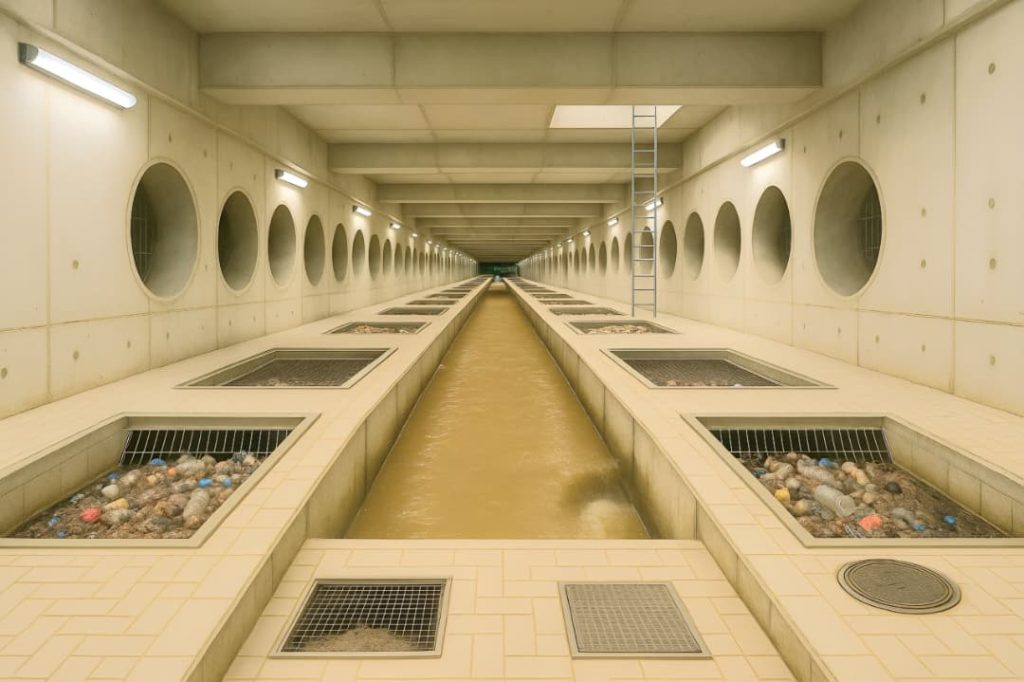
Kiggundu shared the ambitious plans for the redevelopment, which include underground flood control chambers, waste filtration systems, and environmentally protected green spaces. Additionally, the project will feature pedestrian walkways and tissue banks, transforming the Nakivubo Channel area into a modern, functional urban space.
Once complete, Kiggundu believes the Nakivubo Channel will no longer be a symbol of neglect, but a beacon of progress. “When vision meets action, this channel will become a showcase of what is possible when we put our resources and efforts into urban renewal,” he concluded.
A Modern, Functional Urban Ecosystem
The transformation of Nakivubo into a vibrant, functional urban ecosystem is envisioned not just as a technical project but as a social and cultural shift for the city. Kiggundu’s plan aims to integrate environmental sustainability, improved public health, and urban regeneration, aligning with global standards for modern cities.
Kiggundu’s vision for Nakivubo goes beyond flood control. It seeks to establish a dynamic urban environment, where the surrounding community can thrive in a clean, safe, and aesthetically pleasing space. The transformation is poised to become one of the cornerstones of Kampala’s ongoing evolution into a modern capital city that is ready to meet the challenges and opportunities of the 21st century.