


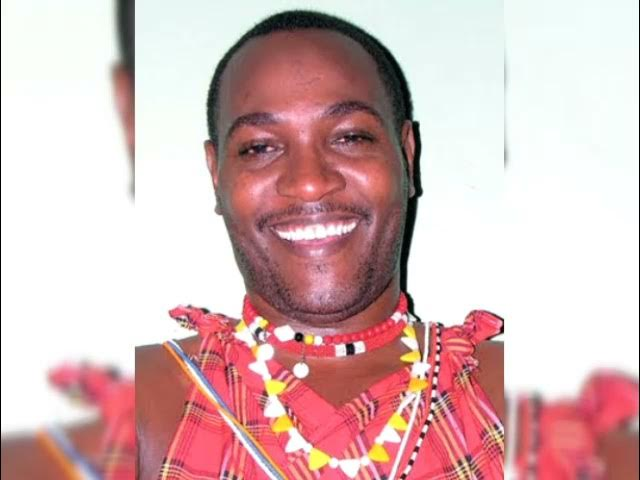
Mr. Ebbo was one of Tanzania’s most recognizable early Bongo Flava artists and among the first musicians to successfully blend Maasai cultural identity with modern hip-hop and popular music. Known for his distinctive appearance, traditional Maasai attire, and socially conscious lyrics, he became a household name in Tanzania during the early 2000s.
Born Abel Loshilaa Motika, Mr. Ebbo helped expand the reach of Bongo Flava by introducing themes of cultural pride, social awareness, and national identity into mainstream music. Although his life was cut short in 2011, his influence on Tanzanian music continues to be remembered by fans and artists alike.
Who Was Mr. Ebbo?
Mr. Ebbo, whose real name was Abel Loshilaa Motika, was a Tanzanian rapper and singer of Maasai heritage.
Born on May 26, 1974, he became one of the pioneers of Bongo Flava, the uniquely Tanzanian music genre that combines hip-hop, R&B, Afro-pop, and local musical influences.
His stage name became synonymous with cultural authenticity and originality at a time when Tanzania’s music industry was undergoing rapid growth.
Early Life and Background
Abel Loshilaa Motika was born in Tanzania and belonged to the Maasai community, one of East Africa’s most recognizable ethnic groups.
Growing up, he developed an interest in music and storytelling, both of which would later become central to his artistic career.
Unlike many musicians of his era who adopted Westernized stage images, Mr. Ebbo proudly embraced his Maasai identity and incorporated it into his public persona.
His cultural background became one of the defining features of his music career.
Rise to Fame
Mr. Ebbo gained national attention during the early 2000s with the release of his breakthrough song, “Mimi Mmasai.”
Success of “Mimi Mmasai”
The song resonated with audiences because it celebrated Maasai identity while delivering a modern musical sound.
At a time when urban music was becoming increasingly popular, Mr. Ebbo demonstrated that traditional cultural heritage could coexist with contemporary music.
The success of “Mimi Mmasai” made him one of the most recognizable artists in Tanzania.
Contribution to Bongo Flava
Bongo Flava emerged in the 1990s and early 2000s as Tanzania’s dominant youth music movement.
Mr. Ebbo played an important role in its development by:
- Promoting cultural diversity
- Expanding lyrical themes
- Blending traditional and modern influences
- Introducing Maasai representation into mainstream entertainment
His unique style helped distinguish him from many artists of the period.
Musical Style
Mr. Ebbo’s music combined several influences.
Hip-Hop Foundations
Many of his songs were rooted in rap and hip-hop traditions.
Cultural Storytelling
His lyrics often reflected:
- Community values
- Social issues
- National development
- Cultural pride
Traditional Identity
One of his trademarks was performing in traditional Maasai attire, which reinforced his connection to his heritage.
This visual identity helped him stand out in the competitive music industry.
Popular Songs
Several songs helped establish Mr. Ebbo’s reputation.
Mimi Mmasai
His signature hit and arguably his most famous song.
Bado
Another well-known release that further strengthened his popularity.
Kamongo
A song that demonstrated his versatility and continued appeal among Tanzanian audiences.
These tracks contributed significantly to his status as an early Bongo Flava star.
Government Campaign Work
In 2003, Mr. Ebbo was selected to participate in a government campaign promoting privatization policies.
As part of the initiative, he recorded the song “Ubinafsishaji” (Privatisation).
The campaign highlighted the growing influence of musicians in shaping public discourse and communicating government messages to wider audiences.
Recording Career
Many of Mr. Ebbo’s recordings were produced at Motika Studios in Tanga.
His music reached audiences across Tanzania during a period when radio and cassette distribution remained important channels for artists.
His growing popularity helped him establish a loyal fan base throughout the country.
Albums Released by Mr. Ebbo
During his career, Mr. Ebbo released several albums.
Fahari Yako (2002)
One of his earliest major projects that helped establish his presence in the music industry.
Bado (2003)
A successful follow-up that expanded his audience.
Kazi Gani (2004)
An album that continued his exploration of social and cultural themes.
Alibamu (2005)
Further demonstrated his creativity and commitment to Bongo Flava.
Kamongo (2006)
One of his later major releases and an important part of his musical legacy.
Cultural Significance
Mr. Ebbo’s importance extends beyond music.
Representation of Maasai Culture
He helped introduce Maasai identity into mainstream Tanzanian entertainment.
Inspiration for Future Artists
Many younger musicians have cited cultural pride as an important aspect of their artistic identity, a path that artists like Mr. Ebbo helped pave.
Bridging Tradition and Modernity
His career showed that artists could embrace traditional roots while succeeding in modern popular culture.
Illness and Death
Mr. Ebbo passed away on December 1, 2011, at Mission Usa River Hospital in Arusha.
He died after battling leukemia.
His death was widely mourned across Tanzania’s entertainment industry and among fans who had followed his career for years.
He was survived by his wife and two daughters.
Legacy
More than a decade after his passing, Mr. Ebbo remains an important figure in Tanzanian music history.
His legacy includes:
- Pioneering Bongo Flava contributions
- Promotion of Maasai culture
- Socially conscious music
- Inspiration for future generations of artists
His work helped broaden the themes and identities represented within East African popular music.
Key Takeaways
- Mr. Ebbo’s real name was Abel Loshilaa Motika.
- He was one of Tanzania’s pioneering Bongo Flava artists.
- His breakthrough song was “Mimi Mmasai.”
- He proudly incorporated Maasai culture into his music and image.
- He released several successful albums between 2002 and 2006.
- He died from leukemia in 2011 at the age of 37.
- His influence continues within Tanzanian music and culture.
Frequently Asked Questions
What was Mr. Ebbo’s real name?
His real name was Abel Loshilaa Motika.
Why was Mr. Ebbo famous?
He became famous as one of Tanzania’s pioneering Bongo Flava artists and for his hit song “Mimi Mmasai.”
What tribe was Mr. Ebbo from?
He was of Maasai heritage and proudly incorporated Maasai culture into his music and performances.
What are Mr. Ebbo’s most popular songs?
His best-known songs include “Mimi Mmasai,” “Bado,” and “Kamongo.”
When did Mr. Ebbo die?
He passed away on December 1, 2011, after battling leukemia.
Why is Mr. Ebbo important in Tanzanian music?
He helped popularize Bongo Flava and demonstrated how traditional cultural identity could be integrated into modern music.
Conclusion
Mr. Ebbo occupies a special place in Tanzania’s music history as a pioneering Bongo Flava artist who successfully merged modern hip-hop influences with Maasai cultural identity. Through memorable songs, distinctive performances, and a commitment to representing his heritage, he helped shape the evolution of Tanzanian popular music. Although his life ended prematurely, his contributions continue to inspire artists and remind audiences of the power of music to celebrate culture, identity, and social awareness.
Read Also: Balozi Dola Biography and Music Career


