

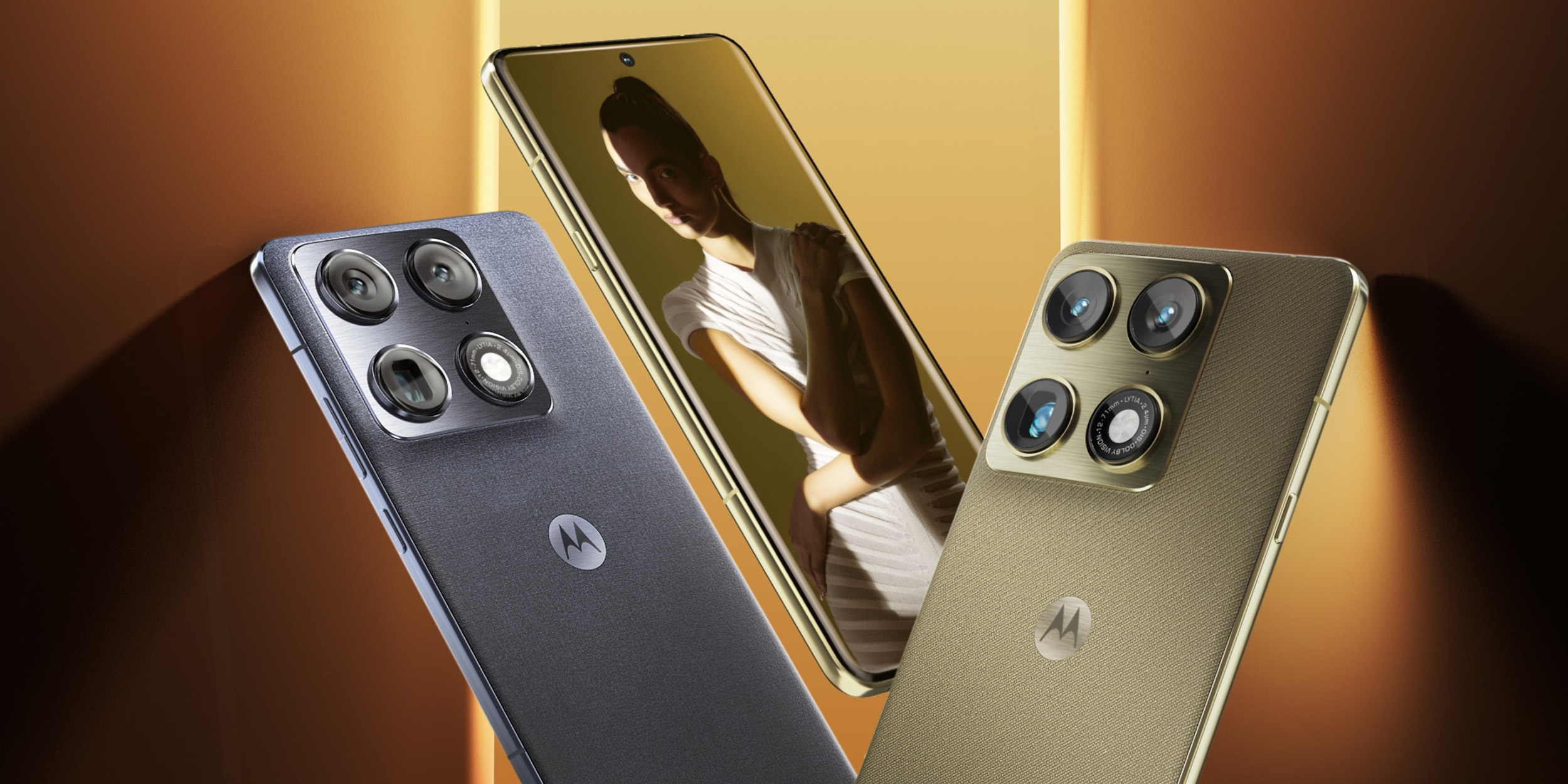

The Motorola Signature arrives as Motorola’s clearest attempt to compete head-on in the flagship tier. The Motorola Signature has the hardware to justify that ambition too: a fast LTPO AMOLED panel, a modern Qualcomm flagship chip, a versatile three-camera rear setup, strong charging, and a cleaner software experience than many rivals in the same price bracket.
That said, the market it enters is not forgiving. At this level, being good is not enough. A phone priced around established Samsung, Xiaomi, Honor, and OnePlus alternatives needs a clear edge, and while the Motorola Signature gets many things right, it also lands with a few trade-offs that are hard to ignore once you move beyond the spec sheet.
Specifications
| Category | Details |
|---|---|
| Display | 6.80-inch LTPO AMOLED, 1264 x 2780, 165Hz, Dolby Vision, HDR10+ |
| Chipset | Snapdragon 8 Gen 5 |
| RAM & Storage | 12GB/256GB, 12GB/512GB, 16GB/512GB, 16GB/1TB, UFS 4.1 |
| Rear Camera | 50MP main, 50MP 3x telephoto, 50MP ultrawide |
| Front Camera | 50MP autofocus |
| Battery | 5200mAh |
| Charging | 90W wired, 50W wireless, 10W reverse wireless, 5W reverse wired |
| OS | Android 16, Hello UI |
| Build | Gorilla Glass Victus 2 front, aluminum frame, IP68/IP69, MIL-STD-810H |
| Connectivity | 5G, Wi-Fi 7, Bluetooth 6.0, NFC, UWB, USB-C with DisplayPort |
Design and Build Quality
The Motorola Signature feels like a flagship the moment you pick it up. The phone is slim at 7.0mm, fairly light for its class at 186g, and built around an aluminum frame with Gorilla Glass Victus 2 on the front. Motorola also adds IP68/IP69 protection and MIL-STD-810H compliance, which is more durability language than most buyers will ever need, but it does reinforce the sense that this is a carefully engineered device.
In hand, the design is more distinctive than many current flagships. The rear finish on the Martini Olive version uses a textured woven-like material that feels unusual without feeling gimmicky. It does not collect grease as quickly as glossy glass backs, and it makes the phone easier to grip. The curved display also helps the Signature feel thinner than it is, though curved edges remain divisive. Some users will still prefer the more practical flat fronts of Samsung and Xiaomi rivals.
Handling is generally good. The phone is tall, but not unwieldy. The ultrasonic fingerprint sensor is placed well and performs reliably. The dedicated AI button on the left side is less successful. It works, but it is locked to Motorola’s AI tools and cannot be remapped in the stock interface. That limits its usefulness. Compared with other current flagships, the Motorola Signature stands out more for finish and durability than for ergonomic innovation.
Display Performance
The Motorola Signature uses one of the better displays in its class. It is a 6.8-inch LTPO AMOLED panel with 10-bit color, Dolby Vision, HDR10+, and a 165Hz maximum refresh rate. Resolution is sharp enough at 446ppi, and the panel looks premium in all the ways a flagship screen should.
Brightness behavior is a little mixed, though. Manual brightness tops out at around 471 nits, which is not impressive for a flagship. Thankfully, automatic mode fixes the issue. In bright conditions, the panel reached roughly 1,518 nits, which is plenty for outdoor use and strong HDR playback. So while the marketing number of 6,200 nits is mostly theoretical, practical outdoor usability is still very good.
Refresh rate behavior is competent, though not especially transparent. The phone uses three modes: Smart & balanced, Hyper smooth, and Efficiency first. 165Hz is only available through the Gametime app by forcing a fixed refresh rate per app or game. In practice, that setup works well for gaming, even if some browser tests suggest the panel is not always being driven at the full visible frame rate the system reports. For regular use, the Motorola Signature feels fluid and polished, and that matters more than the headline number.
Performance and Benchmarks
The Motorola Signature runs on Qualcomm’s Snapdragon 8 Gen 5, not the faster Snapdragon 8 Elite Gen 5. That distinction matters because the phone is priced like a top-tier flagship. The Snapdragon 8 Gen 5 is still a fast chip, with Oryon V3 performance cores and an Adreno 829 GPU, but it sits one step below the current best Qualcomm silicon.
Benchmark results reflect that position. The Motorola Signature comfortably clears upper-midrange and previous-tier flagship silicon, and it remains more than fast enough for anything most people do on a phone. However, it trails the Snapdragon 8 Elite Gen 5 devices that increasingly occupy the same price territory. At a lower price, that would not matter much. At launch pricing, it becomes a real question mark in the value conversation.
Motorola Signature real-world performance
In real use, the Motorola Signature feels fast. App launches are instant, multitasking is effortless, and the combination of UFS 4.1 storage with 12GB or 16GB of RAM gives the phone plenty of breathing room. Daily responsiveness is never an issue. The cleaner Hello UI also helps here because it avoids the extra visual heaviness some competing skins introduce.
Gaming is similarly strong at first. The GPU is capable enough to handle demanding titles at high settings, and Motorola’s Gametime controls make it easy to tune refresh rate, resolution, and performance profiles per title. So on short sessions, the Motorola Signature behaves like a proper flagship.
Motorola Signature thermal performance
Sustained performance is where the story changes. The Motorola Signature throttles aggressively under prolonged load, and the metal frame gets noticeably hot. Not just warm, but uncomfortably hot by flagship standards.
That does not mean every game session will immediately collapse, but it does mean the Motorola Signature is not the best choice for users who spend long stretches gaming or recording heavy workloads. Performance drops enough over time that lower frame rates are likely after a while. In this segment, several competitors manage thermals more convincingly.
Camera Performance
The Motorola Signature uses a camera setup that looks serious on paper and mostly delivers in still photography. You get a 50MP main camera with OIS, a 50MP 3x telephoto with OIS and close focus, a 50MP ultrawide with autofocus, and a 50MP autofocus selfie camera. That is one of the more balanced camera packages in this class.
Main camera analysis
The main camera uses a large 1/1.28-inch Sony sensor with a 24mm-equivalent f/1.6 lens. In daylight, it performs very well. Dynamic range is wide, white balance is dependable, and detail is strong without looking overly processed most of the time. There is a touch too much sharpening on some textures, but overall the Motorola Signature produces confident flagship-level stills at 1x.
Portrait behavior is also strong. Skin tones look natural, facial detail is well handled, and edge separation is reliable even with messy hair. The shallow natural depth of field from the main sensor helps the phone here. HDR behavior is one of the main strengths too. Highlights and shadows are both handled well in difficult scenes, which gives the output a mature look.
The 2x crop is respectable rather than exceptional. It delivers usable sharpness and good detail, though some rivals do more with this intermediate focal length. Still, it is solid enough to make the Motorola Signature feel flexible before you step into the dedicated telephoto range.
Low-light performance
At night, the main camera remains strong. Exposure is well judged, highlights are preserved, and shadow detail is developed nicely. The one recurring issue is vibrance. Some night shots can look a bit restrained in color, even when the technical execution is otherwise excellent.
The 3x telephoto also performs well after dark. Detail remains impressive for the class, white balance stays stable, and dynamic range is strong. That matters because telephoto cameras are often the first place where flagship phones compromise at night. The Motorola Signature does not collapse there. It stays useful and credible. The ultrawide is naturally a step below, but it still remains competent with good dynamic range and solid color, even if softer shadows expose its smaller sensor limits.
Close-up performance from the telephoto is especially good. Its short focus distance lets the Motorola Signature produce nicely detailed close shots, and even 6x close-ups can look convincing if the light cooperates. That makes the zoom camera more versatile than the nominal 3x figure suggests.
Video performance
Video is where the Motorola Signature becomes less convincing. On paper, the spec sheet is strong. All four cameras can record up to 4K60, and the rear main plus telephoto also support 8K30 with Dolby Vision recording available widely across modes.
In practice, the results are more ordinary. Daylight clips from the main and telephoto cameras are too contrasty, and detail is only average for this class. Low-light video is usable, but again not class-leading, with softer detail and less refined tuning than the stills side of the camera system suggests. The ultrawide is the weakest of the three in video, staying soft in both daylight and low light.
The good news is stabilization. It is excellent. Fixed-position shots are very steady, pans are smooth, and walking footage is handled impressively well. So while the Motorola Signature is not a top-tier video phone overall, it at least keeps footage stable and easy to use.
Battery and Charging
The Motorola Signature uses a 5200mAh battery, which is modest by 2026 Android flagship standards but still enough to deliver good endurance. In testing, it reached an Active Use Score of 16 hours 13 minutes, which places it in the good-to-very-good range. That is a solid result, especially given the thin 7mm profile.
In practical terms, the phone should comfortably last a full day for most users, and lighter users may stretch further. However, buyers comparing spec sheets will notice that rivals increasingly offer 6000mAh to 7300mAh cells at similar prices. So while the Motorola Signature is not weak on battery life, it is no longer ahead of the curve.
Charging is much more competitive. With a 90W PD charger, the phone reached 88% in 15 minutes, which is excellent for a 5200mAh battery. Wireless charging tops out at 50W, though that speed depends on a proprietary accessory that no longer seems widely available. You also get 10W reverse wireless and 5W reverse wired charging. Battery health tools are sensible too, including 80% charge limits and AI-assisted charging timing.
Software and User Experience
The Motorola Signature ships with Android 16 and Motorola’s clean Hello UI. This remains one of Motorola’s biggest selling points. The interface is light, uncluttered, and easy to understand, while still adding useful features through the Moto hub rather than layering the whole system with heavy visual changes.
Motorola also promises up to seven major Android upgrades. That is a major commitment and a key part of the phone’s longevity potential. If Motorola actually follows through consistently, the Motorola Signature becomes easier to justify as a long-term purchase and should hold resale value better than older Motorola flagships did.
Moto AI is present throughout the interface, but Motorola’s approach is more flexible than some rivals. You are not locked into one assistant. Gemini and Moto AI can coexist, and some AI tools such as summaries, transcription, image generation, and contextual help are useful enough. Smart Connect also remains one of Motorola’s best features. Desktop mode, screen sharing, clipboard syncing, and wired DisplayPort output make the Motorola Signature more useful than many flagships once you connect it to a monitor or PC.
Connectivity and Extras
Connectivity is one of the Motorola Signature’s stronger areas. You get 5G, tri-band Wi-Fi 7 including 6GHz support, Bluetooth 6.0, NFC, UWB, USB 3.1 Gen 2, and DisplayPort over USB-C. That is a full flagship feature set.
There is some regional variation around SIM support, though. Some markets get single physical SIM plus eSIM, while others get dual Nano-SIM but no eSIM. Buyers should check local retailer listings carefully because this is one of the few premium phones where regional connectivity details matter more than usual.
The Motorola Signature also omits a headphone jack, IR blaster, and FM radio, which is not surprising in this segment. There is no barometer either. Still, the rest of the sensor suite is complete, and the desktop-mode support gives the phone a genuine productivity edge over many similarly priced rivals.
Audio and Multimedia
The Motorola Signature is excellent for media use. Its stereo speakers are loud, balanced, and genuinely high quality. The phone earned an excellent loudness rating, and the sound profile is rich with clear mids and largely controlled highs even at higher volume.
That matters because the display is already well suited to streaming and gaming. Dolby Vision, HDR10+, Widevine L1, and a strong speaker setup make the Motorola Signature one of the more enjoyable multimedia phones in its class. Bose tuning and Dolby Atmos are not just branding here. The audio result is actually very good.
For gaming and streaming alike, the phone feels premium in this area. The only caveat is heat. Long gaming sessions can make the phone uncomfortable, which affects the overall entertainment experience more than the display or speakers do.
Competition and Market Position
The Motorola Signature enters a difficult price bracket. Around the €1000 level, buyers can look at the Galaxy S25 Ultra, OnePlus 15, Honor Magic8 Pro, Realme GT 8 Pro, Xiaomi 15T Pro, and Poco F8 Ultra. That is not friendly territory for a phone running the non-Elite Snapdragon 8 Gen 5 and showing aggressive throttling.
Against Samsung, Motorola can argue cleaner software, strong speakers, and useful desktop-mode features, but Samsung offers stronger brand pull, typically stronger resale, and a more established flagship reputation. Against OnePlus, Honor, Realme, and Xiaomi, the Motorola Signature runs into rivals with larger batteries, more competitive chip choices, or stronger value-for-money propositions.
That leaves the Motorola Signature in an awkward but not hopeless position. It is a good flagship, just not the best buy at launch pricing. At a lower street price, closer to the €700 range suggested in the source material, it would become much easier to recommend. That is where its build quality, strong still cameras, excellent speakers, and clean UI would outweigh its limitations more convincingly.
Verdict
The Motorola Signature is a well-rounded flagship with several real strengths. Build quality is excellent, the display is strong, the speakers are among the better ones in the class, and the still-camera system is consistently good across all focal lengths. Hello UI also remains a major advantage for buyers who want a cleaner Android experience without giving up useful extras.
The problems are just as clear. Sustained performance is weak for the price because thermals are not well controlled. The Snapdragon 8 Gen 5 feels like the wrong chip at launch pricing when Elite-class rivals are readily available. Video quality is only average, and regional differences in SIM support add unnecessary confusion.
So the Motorola Signature is best viewed as a premium flagship with a pricing problem rather than a flawed phone. It has good longevity potential, decent resale by Motorola standards, and a balanced hardware package. But value for money depends heavily on what you pay. At launch, it is hard to justify over rivals. After a discount, it becomes far more interesting.
Why This Phone Matters in Africa
The Motorola Signature matters in Africa because premium Android buyers in the region often need more than raw prestige. They need reliability, strong network support, durable hardware, and a phone that can double as a media and productivity device. On those points, the Motorola Signature makes some sense. Its strong build, IP68/IP69 rating, desktop-mode support, and capable still cameras all translate well into practical use.
Pricing sensitivity is the main issue. Motorola does not have the same flagship resale strength as Samsung in many African markets, and repair support can also vary by country. That said, buyers who value cleaner Android software, strong speakers, and wired display output may find the Motorola Signature appealing once its street price settles. Battery reliability is good enough for daily use, though not class-leading, and the phone’s durability credentials may help offset concerns about long-term ownership.
Final Thoughts
The Motorola Signature is for buyers who want a clean Android flagship with strong still cameras, excellent speakers, durable hardware, and serious connectivity features. It suits users who value software simplicity, wired desktop-style productivity, and balanced day-to-day performance more than benchmark leadership.
It is less suitable for hardcore mobile gamers, buyers chasing the very best value at launch, or users who prioritize top-tier video recording. Those users have stronger options elsewhere. Even so, the Motorola Signature has the bones of a good long-term phone. Once pricing becomes more realistic, it should be easier to recommend as a mature, well-equipped flagship rather than an overambitious one.
The Review
Motorola Signature
The Motorola Signature brings a well-rounded, premium experience with very few obvious weak spots and plenty of highlights that justify its top-tier positioning.The design and build quality are excellent, with a sleek yet sturdy chassis and Motorola's typical attention to durability. The display is another standout - sharp, vibrant and highly capable, even if its manual brightness isn't class-leading. The stereo speakers are superb as well, delivering loud and rich audio that easily ranks among the best in the segment.
PROS
- Premium build with IP68/IP69 rating and slim design.
- Excellent LTPO AMOLED display with 165Hz refresh rate.
- Very capable quad 50MP camera system.
- Loud, high-quality stereo speakers tuned by Bose.
- Clean Hello UI with useful extras and long update promise.
- Versatile connectivity, including Wi-Fi 7, UWB and desktop mode.
CONS
- Aggressive thermal throttling under sustained load.
- Snapdragon 8 Gen 5 isn't competitive at this price point.
- No eSIM support in some regions.
- Motorola's 50W wireless charging dock is no longer available.
Review Breakdown
-
Our Rating
 Motorola


