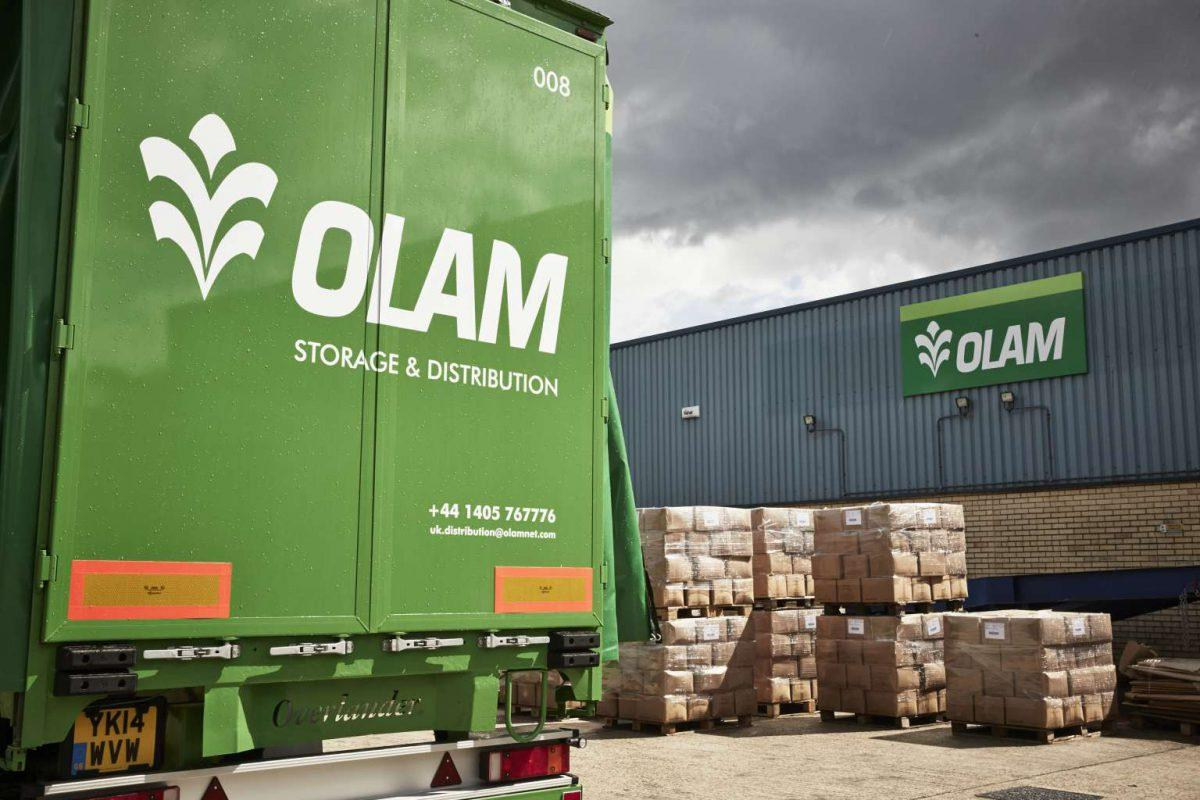
Olam International acquisitions tell the story of a global agri-business that used mergers and acquisitions to move deeper into food ingredients, food processing, manufacturing and agricultural supply chains.
Between 2007 and 2020, Olam International completed 23 acquisitions with a total disclosed deal value of about $3.0 billion. The average disclosed deal size was approximately $132.4 million. The company’s M&A activity focused mainly on food and beverage, food processing and manufacturing, with additional exposure to agriculture, marketing, forestry and commodity supply chains.
This acquisition record is important because Olam did not only buy companies to increase size. It used M&A to strengthen its position in key agricultural products, including cocoa, chocolate ingredients, peanuts, almonds, hazelnuts, coffee, wheat, pasta, dairy, edible oils and spices.
The strategy also shows how Olam evolved from an agri-commodity trader into a broader food and ingredients business. By acquiring processing assets and branded or semi-branded food platforms, the company moved closer to customers and captured more value beyond raw commodity trading.
What Is Olam International?
Olam International is a leading agri-business with roots in sourcing, processing, trading and supplying agricultural commodities and food ingredients. Over time, the business expanded across global food supply chains, serving customers in farming, food processing, manufacturing, ingredients and commodity markets.
Olam later reorganised its portfolio into three main operating groups: ofi, Olam Agri and the remaining Olam Group structure. That reorganisation was designed to simplify the business and separate different parts of the portfolio into clearer operating platforms.
This context matters when studying Olam International acquisitions. Many earlier deals were completed when Olam operated as a more integrated agri-business. Later deals, especially the 2020 Mizkan America chile pepper business acquisition, fit more closely with ofi’s strategy in food ingredients and value-added products.
At its core, Olam’s acquisition history reflects a simple commercial idea: control more of the food value chain, from origination and sourcing to processing, ingredients and customer solutions.
Why Olam International Acquisitions Matter
Olam International acquisitions matter because they show how food and agriculture companies build scale in a complex global market.
Agriculture is not a simple business. Supply depends on climate, crop cycles, farm productivity, logistics, storage, processing, currency movements and customer demand. Food companies also need reliable suppliers that can deliver quality, traceability and consistency.
Olam used acquisitions to solve several strategic problems. It bought processing capacity, entered new product categories, expanded in key geographies, and moved closer to customers in food manufacturing and retail supply chains.
The company’s deal history shows three major themes.
First, Olam targeted food ingredients and processing. This can offer higher margins than basic commodity trading when executed well.
Second, it strengthened positions in specific agricultural products such as cocoa, peanuts, almonds, hazelnuts, coffee and spices.
Third, it acquired assets in growth markets, including Nigeria, Indonesia, East Africa, Turkey, Zambia and the United States.
That combination gave Olam broader reach across both origin markets and destination markets.
Full List of Olam International Acquisitions
The table below highlights key Olam International acquisitions with available transaction values, announced dates, main categories and strategic value.
| Acquiree | Announced Date | Price | Main Category | Strategic Value |
|---|---|---|---|---|
| Mizkan America – chile pepper business | Dec 21, 2020 | $108.5M | Food and Beverage | Expanded ofi’s spices portfolio with premium green chiles, jalapeños and enchilada sauces. |
| Dangote Group | Nov 3, 2019 | $331.5M | Agriculture | Added exposure to a major West African industrial and agricultural platform. |
| Olam Edible Nuts | Oct 22, 2019 | $54.0M | Agriculture | Strengthened almond growing, buying and processing in California. |
| YTS Holdings | Feb 26, 2019 | $90.0M | Food Processing | Expanded cocoa processing exposure in Indonesia. |
| Schluter | Oct 24, 2016 | $7.5M | Coffee | Added East African specialty and premium Arabica coffee trading expertise. |
| Brooks Peanut | Jun 8, 2016 | $85.0M | Food Processing | Expanded peanut shelling capability. |
| Acacia Investments | Jun 1, 2016 | $24.0M | Food Processing | Added edible oil refining and distribution in East Africa. |
| Amber Foods | Jan 11, 2016 | $275.0M | Food and Beverage | Added wheat and pasta production capability. |
| ADM Cocoa – Global Chocolate Business | Dec 15, 2014 | $1.3B | Food and Beverage | Expanded chocolate ingredients and cocoa powder manufacturing. |
| McCleskey Mills | Dec 5, 2014 | $176.0M | Food and Beverage | Strengthened shelled peanuts and seed peanuts business. |
| Dehydro Foods | Nov 30, 2012 | $30.8M | Food Processing | Added dehydrated food production and sales capability. |
| Northern Coffee Corp | Sep 19, 2012 | $6.2M | Food and Beverage | Added coffee production in Zambia. |
| Kayass Enterprises | Jun 7, 2012 | $66.5M | Food Processing | Added branded dairy products and beverages in Nigeria. |
| Titanium Holding Co.SA | Feb 9, 2012 | $167.0M | Food and Beverage | Added biscuits and candies manufacturing. |
| Macao Commodities Trading | Dec 23, 2011 | $20.0M | Food Processing | Added cocoa powder, cocoa beans, desiccated coconut, vegetable fats and dairy products supply. |
| The Progida Group | Nov 10, 2011 | $38.0M | Food Processing | Added Turkish hazelnut kernels manufacturing and supply. |
| tt Timber International | Dec 15, 2010 | $39.4M | Forestry | Added forest management, processing and forest products trading. |
| Crown Flour Mills | Jan 12, 2010 | $107.6M | Food Processing | Added wheat milling, flour and semolina production. |
| Industria Martin Cubero | Feb 2, 2009 | $7.0M | Food Processing | Added peanut shelling and blanching services. |
| PT Dharmapala Usaha Sukses | Oct 2, 2007 | $12.6M | Food Processing | Added sugar refining capacity in Indonesia. |
Olam International Acquisitions Timeline
2007: Entry Into Indonesian Sugar Refining
Olam’s listed acquisition activity begins in 2007 with PT Dharmapala Usaha Sukses, a sugar refinery based in Indonesia. The deal was valued at $12.6 million.
This transaction reflected an early move into food processing. Sugar refining gave Olam exposure to a product with broad industrial and consumer demand in a major Asian market.
2009: Peanut Processing Through Industria Martin Cubero
In 2009, Olam acquired Industria Martin Cubero for $7.0 million. The company provided peanut shelling and blanching services.
This deal was relatively small, but it showed a pattern that later became more visible: Olam was not only interested in trading agricultural products. It wanted processing capacity that could add value to raw commodities.
2010: Flour Milling and Forestry
In 2010, Olam acquired Crown Flour Mills for $107.6 million and tt Timber International for $39.4 million.
Crown Flour Mills operated a wheat mill producing flour and semolina for food applications such as bread, pizza, pasta and sweets. This gave Olam exposure to grain processing and food manufacturing demand.
The tt Timber International deal added forest management services and forest products trading. While forestry sat outside Olam’s dominant food categories, it still connected to natural resource supply chains.
2011: Hazelnuts and Commodity Supply
In 2011, Olam acquired The Progida Group for $38.0 million and Macao Commodities Trading for $20.0 million.
The Progida Group manufactured and supplied natural and processed Turkish hazelnut kernels. This strengthened Olam’s position in edible nuts and value-added ingredient markets.
Macao Commodities Trading supplied cocoa powder, cocoa beans, desiccated coconut, vegetable fats and dairy products. This deal expanded Olam’s product reach across multiple food ingredients.
2012: A Broad Push Into Food Manufacturing
The year 2012 was highly active. Olam acquired Titanium Holding Co.SA, Kayass Enterprises, Northern Coffee Corp and Dehydro Foods.
Titanium Holding, acquired for $167.0 million, manufactured biscuits and candies. Kayass Enterprises, acquired for $66.5 million, operated in branded dairy products and beverages in Nigeria. Northern Coffee Corp added coffee production in Zambia. Dehydro Foods added dehydrated food production and sales.
This was a diversified year for Olam. The company expanded across packaged food manufacturing, dairy, beverages, coffee and dehydrated foods.
2014: A Major Move in Cocoa and Peanuts
In 2014, Olam made one of the most important moves in its acquisition history with the $1.3 billion acquisition of ADM Cocoa’s global chocolate business. The acquired business manufactured chocolate ingredients and cocoa powder.
That deal was by far the largest listed acquisition in Olam’s record and gave the company a much stronger position in cocoa processing and chocolate ingredients.
The same month, Olam acquired McCleskey Mills for $176.0 million. McCleskey Mills offered shelled peanuts and seed peanuts, strengthening Olam’s peanut platform.
Together, these two deals showed a clear strategic push into higher-value agricultural ingredients.
2016: Wheat, Pasta, Edible Oils, Peanuts and Coffee
Olam completed several listed acquisitions in 2016, including Amber Foods, Acacia Investments, Brooks Peanut and Schluter.
Amber Foods, acquired for $275.0 million, produced wheat and pasta. Acacia Investments added edible oil refining and distribution in East Africa. Brooks Peanut expanded peanut shelling capability. Schluter added East African specialty and premium Arabica coffee trading expertise.
This period showed Olam’s interest in both commodity scale and premium categories. Wheat, pasta and edible oils served mass-market consumption, while specialty coffee offered higher-value positioning.
2019: Cocoa, Almonds and West African Exposure
In 2019, Olam acquired YTS Holdings, Olam Edible Nuts and a listed interest connected to Dangote Group.
YTS Holdings was primarily engaged in cocoa processing in Indonesia. Olam Edible Nuts strengthened almond growing, buying and processing in California. The Dangote-related transaction added exposure to a major West African industrial group.
These deals reflected Olam’s continued focus on cocoa, nuts and emerging-market food systems.
2020: Spices Expansion Through Mizkan America’s Chile Pepper Business
In December 2020, Olam acquired Mizkan America’s chile pepper business for $108.5 million. The business supplied premium green chiles, jalapeños and enchilada sauces.
This was the most recent listed Olam International acquisition and was strategically important because it followed the group’s 2020 reorganisation. The deal fit ofi’s food ingredients strategy and expanded the spices portfolio.
Biggest Olam International Acquisitions by Deal Value
Olam’s largest disclosed acquisitions show where the company made its most significant capital commitments.
| Rank | Acquiree | Announced Date | Deal Value | Strategic Area |
| 1 | ADM Cocoa – Global Chocolate Business | Dec 15, 2014 | $1.3B | Cocoa and chocolate ingredients |
| 2 | Dangote Group | Nov 3, 2019 | $331.5M | Agriculture and industrial exposure |
| 3 | Amber Foods | Jan 11, 2016 | $275.0M | Wheat and pasta |
| 4 | McCleskey Mills | Dec 5, 2014 | $176.0M | Peanuts |
| 5 | Titanium Holding Co.SA | Feb 9, 2012 | $167.0M | Biscuits and candies |
| 6 | Mizkan America – chile pepper business | Dec 21, 2020 | $108.5M | Spices and sauces |
| 7 | Crown Flour Mills | Jan 12, 2010 | $107.6M | Wheat milling |
| 8 | YTS Holdings | Feb 26, 2019 | $90.0M | Cocoa processing |
| 9 | Brooks Peanut | Jun 8, 2016 | $85.0M | Peanut shelling |
| 10 | Kayass Enterprises | Jun 7, 2012 | $66.5M | Dairy products and beverages |
The $1.3 billion ADM Cocoa global chocolate business acquisition dominates the ranking. It was a major strategic move because cocoa and chocolate ingredients are central to global food manufacturing. By acquiring processing assets in this category, Olam moved further into value-added ingredients rather than remaining only a commodity supplier.
Most Common Acquisition Categories
Olam’s acquisition activity was heavily concentrated in food and agriculture-related sectors.
| Category | Number of Deals | Strategic Meaning |
| Food and Beverage | 17 | Expanded product categories and customer-facing food platforms. |
| Food Processing | 14 | Added value-added processing capacity across multiple commodities. |
| Manufacturing | 6 | Strengthened production capabilities in food, ingredients and related products. |
| Agriculture | 2 | Added origination or crop-related exposure. |
| Marketing | 1 | Supported customer reach and commercial positioning. |
The category mix shows that Olam International acquisitions were not random. They largely supported a move into food ingredients, processing and supply-chain control. The company repeatedly acquired businesses that could process, refine, manufacture or supply agricultural products to customers at higher points in the value chain.
Strategic Lessons From Olam International Acquisitions
Moving Up the Value Chain Can Improve Positioning
Olam’s acquisition record shows a clear shift from commodity origination toward processing and ingredients. This matters because raw commodity trading can be exposed to price volatility, thin margins and intense competition.
Processing assets can help a company capture more value. Cocoa powder, chocolate ingredients, peanut products, wheat flour, pasta, dairy products and spice ingredients can all provide stronger customer relationships than raw commodity supply alone.
Category Depth Matters
Olam did not simply buy one cocoa business or one nut business. It repeatedly deepened specific categories.
The acquisitions of ADM Cocoa’s global chocolate business and YTS Holdings strengthened cocoa processing. McCleskey Mills, Brooks Peanut, Industria Martin Cubero and Olam Edible Nuts strengthened nuts and peanuts. Schluter and Northern Coffee Corp expanded coffee exposure.
This kind of category depth can improve sourcing, processing knowledge, customer credibility and risk management.
Geography Is Part of the Strategy
Olam’s acquisitions covered multiple geographies, including Indonesia, Nigeria, East Africa, Turkey, Zambia and the United States.
That geographic spread mattered because agriculture depends heavily on origin markets. A strong agri-business needs access to supply as well as demand. By acquiring businesses in both producing and consuming markets, Olam strengthened its global network.
Food Ingredients Can Be More Attractive Than Pure Commodity Trading
The later part of Olam’s acquisition history points toward food ingredients. The Mizkan chile pepper business deal is a good example. Rather than buying a generic commodity trading operation, Olam acquired a business supplying specific chile products used by food manufacturers, retailers, private-label customers and foodservice channels.
That kind of business can create more direct customer relationships.
How Olam International Acquisitions Fit Its Business Model
Olam’s business model historically combined origination, trading, logistics, processing and food supply. Acquisitions fit naturally into that model because they helped the company add control at different points in the value chain.
At the farm or origin level, acquisitions could improve access to supply. At the processing level, they could convert raw agricultural products into ingredients. At the customer level, they could provide food companies with more specialized products.
This approach is especially important in agriculture because scale alone is not enough. A company must manage quality, timing, logistics, traceability and price risk.
Olam’s acquisitions in cocoa, peanuts, almonds, wheat, coffee, edible oils and spices created a broader platform. They allowed the company to serve customers looking for reliable supply and more processed food ingredients.
After Olam’s 2020 reorganisation, this logic became clearer. ofi was positioned around food ingredients, while Olam Agri focused on broader agricultural products and supply-chain activities. Earlier acquisitions helped build the foundation for those later operating structures.
Financial and Ownership Context
Olam International’s recorded acquisition activity from 2007 to 2020 included 23 deals with total disclosed value of approximately $3.0 billion. The average disclosed deal size was about $132.4 million.
The deal history includes both large strategic acquisitions and smaller bolt-on transactions. The ADM Cocoa global chocolate business acquisition was the largest by far at $1.3 billion. Smaller transactions, such as Northern Coffee Corp, Schluter and Industria Martin Cubero, helped build category expertise in targeted areas.
Olam’s later corporate reorganisation is important for understanding the financial context. The group reorganised its diverse portfolio into ofi, Olam Agri and the remaining Olam Group structure. This was designed to simplify the company and make the different businesses easier to evaluate.
That reorganisation also helps explain why food ingredients acquisitions became especially important. Assets in cocoa, nuts, spices and other ingredients fit into a more focused food ingredients strategy.
Competitive Impact of Olam International Acquisitions
Olam International acquisitions strengthened the company’s competitive position in several ways.
First, they expanded processing capacity. This helped Olam compete not only as a trader but also as a supplier of value-added ingredients.
Second, they increased product breadth. A customer buying cocoa products may also need nuts, spices, dairy ingredients or other food inputs. A broader portfolio can deepen customer relationships.
Third, they improved geographic reach. Olam’s acquisitions gave it more presence across origin markets and processing hubs.
Fourth, they helped the company compete with other global agri-business and food ingredient companies. In sectors such as cocoa, coffee, nuts and spices, scale, sourcing relationships and processing capability matter.
The ADM Cocoa acquisition was especially important because it expanded Olam’s role in the global cocoa and chocolate ingredients market. The Mizkan chile pepper business later strengthened the spices portfolio, a category with strong relevance to food manufacturers and consumer taste trends.
Advantages of the Acquisition Strategy
Stronger Control of the Value Chain
By acquiring processors, refiners and manufacturers, Olam gained more influence over how raw commodities became finished or semi-finished food products.
Greater Product Diversification
Olam’s acquisitions covered cocoa, peanuts, almonds, hazelnuts, coffee, wheat, pasta, dairy, edible oils, spices and sugar. This reduced dependence on a single category.
Better Customer Relationships
Food manufacturers often value suppliers that can offer consistent ingredients, quality control and category expertise. Processing acquisitions helped Olam move closer to those customers.
Exposure to High-Demand Food Categories
Many acquired businesses operated in categories with steady global demand, including cocoa, wheat, nuts, coffee and spices.
Stronger Position in Emerging Markets
Deals in Nigeria, Indonesia, East Africa and Zambia gave Olam exposure to markets with growing populations, rising food consumption and agricultural production potential.
Disadvantages of the Acquisition Strategy
Commodity Price Volatility
Even value-added food businesses remain exposed to agricultural commodity swings. Cocoa, coffee, nuts, wheat and sugar can all experience price volatility.
Integration Complexity
Olam’s acquisitions covered many countries and product categories. Integrating systems, supply chains, management teams and customer relationships can be difficult.
Currency and Country Risk
Agricultural supply chains often involve emerging markets. Currency movements, political risk, infrastructure challenges and regulatory changes can affect performance.
Capital Intensity
Processing plants, mills, refineries and manufacturing assets require capital investment. If market conditions weaken, returns can fall below expectations.
Portfolio Complexity
Before its reorganisation, Olam operated across a wide range of commodities and geographies. A broad acquisition strategy can create complexity that makes the business harder to manage and value.
Case Studies of Major Olam International Acquisitions
ADM Cocoa – Global Chocolate Business
The $1.3 billion acquisition of ADM Cocoa’s global chocolate business was the largest listed Olam International acquisition. The business manufactured chocolate ingredients and cocoa powder.
This deal was strategically important because cocoa is a core ingredient in global food manufacturing. By acquiring ADM’s chocolate business, Olam expanded its processing and ingredients capability in a category with global demand.
The transaction also supported Olam’s move up the value chain. Instead of only sourcing or trading cocoa beans, the company gained a larger role in processed cocoa products used by food manufacturers.
Mizkan America – Chile Pepper Business
The $108.5 million acquisition of Mizkan America’s chile pepper business in 2020 expanded Olam’s spices portfolio. The business supplied premium green chiles, jalapeños and enchilada sauces.
This transaction was important because it came after Olam’s reorganisation and was positioned around ofi’s food ingredients strategy. It gave Olam stronger exposure to natural, value-added ingredients used by manufacturing, retail, private-label and foodservice customers.
McCleskey Mills
Olam acquired McCleskey Mills for $176.0 million in 2014. The company offered shelled peanuts and seed peanuts.
This deal strengthened Olam’s position in peanuts, a category where sourcing, shelling, quality and customer reliability matter. It also complemented other nut-related acquisitions, including Brooks Peanut, Industria Martin Cubero and Olam Edible Nuts.
Amber Foods
Amber Foods, acquired for $275.0 million in 2016, produced wheat and pasta. This transaction gave Olam a stronger position in staple food processing.
Wheat and pasta are mass-market food categories with broad demand. The deal aligned with Olam’s strategy of expanding beyond raw commodity supply into processed food products.
Crown Flour Mills
Crown Flour Mills, acquired for $107.6 million in 2010, operated a wheat mill producing flour and semolina for multiple food applications.
This acquisition was important because flour milling sits close to everyday food consumption. It gave Olam processing capacity in a staple category and supported its exposure to wheat-based products.
Common Mistakes When Analyzing Olam International Acquisitions
Looking Only at the Biggest Deal
The ADM Cocoa deal is the largest listed acquisition, but smaller deals also mattered. Transactions in peanuts, coffee, hazelnuts and spices helped build category depth.
Ignoring the Value Chain
Olam’s acquisitions should not be viewed as isolated purchases. Many were connected by a broader strategy of moving from sourcing to processing and ingredients.
Treating All Food Deals as the Same
Food and beverage is a broad category. Cocoa processing, wheat milling, dairy beverages, chile peppers and hazelnuts have very different economics and risks.
Forgetting Agricultural Volatility
Agricultural businesses can be affected by weather, crop disease, logistics, commodity prices and currency movements. Acquisition strategy must be judged against those risks.
Overlooking the 2020 Reorganisation
Olam’s later structure matters when interpreting its acquisitions. Food ingredients deals increasingly fit the ofi platform, while broader agricultural supply-chain assets connect more closely with Olam Agri.
Lessons for Business Owners and Investors
Olam’s acquisition history offers important lessons for business owners, investors and corporate strategists.
First, acquisitions work best when they support a clear value-chain strategy. Olam bought companies that added processing, sourcing, manufacturing or ingredient capability.
Second, category depth can create competitive advantage. Repeated investment in cocoa, nuts, coffee and food ingredients helped Olam build stronger positions in specific markets.
Third, geography matters in agriculture. A global food business needs both origin-market access and customer-market reach.
Fourth, portfolio complexity can become a challenge. Olam’s reorganisation shows why large diversified groups may eventually need clearer operating structures.
Finally, the strongest acquisition strategies combine scale with focus. Olam’s best deals were not only large; they also fit the direction of the business.
Key Takeaways
- Olam International acquisitions span from 2007 to 2020.
- The company completed 23 acquisitions during that period.
- Total disclosed deal value was about $3.0 billion.
- The average disclosed acquisition size was approximately $132.4 million.
- Food and beverage was the most common category, with 17 deals.
- Food processing accounted for 14 deals.
- Manufacturing appeared in six acquisitions.
- ADM Cocoa’s global chocolate business was the largest listed deal at $1.3 billion.
- The 2020 Mizkan chile pepper business acquisition strengthened Olam’s spices portfolio.
- Olam used M&A to move deeper into food ingredients and processing.
- The acquisition strategy expanded the company across cocoa, nuts, wheat, coffee, dairy, edible oils and spices.
- The main risks include commodity volatility, integration complexity, currency exposure and portfolio management challenges.
Frequently Asked Questions
What are Olam International acquisitions?
Olam International acquisitions are companies and business assets bought by Olam to expand its agri-business, food processing, manufacturing and food ingredients operations.
How many acquisitions has Olam International made?
Olam International completed 23 recorded acquisitions between 2007 and 2020.
What is the total value of Olam International acquisitions?
The total disclosed value of Olam International acquisitions is about $3.0 billion.
What is Olam International’s average acquisition size?
The average disclosed deal size is approximately $132.4 million.
What was Olam International’s most recent listed acquisition?
The most recent listed acquisition was Mizkan America’s chile pepper business, announced in December 2020 for $108.5 million.
What was Olam International’s biggest acquisition?
The largest listed acquisition was ADM Cocoa’s global chocolate business, announced in December 2014 for $1.3 billion.
Which sectors did Olam International acquire most often?
Olam acquired most often in food and beverage, food processing and manufacturing.
Why did Olam acquire food processing companies?
Food processing acquisitions helped Olam move up the value chain, add manufacturing capacity and supply higher-value ingredients to customers.
How did the Mizkan chile pepper deal fit Olam’s strategy?
The Mizkan chile pepper business expanded Olam’s spices portfolio and supported ofi’s strategy in natural, value-added food ingredients.
What risks come with Olam’s acquisition strategy?
The risks include commodity price volatility, integration complexity, capital intensity, currency risk, country risk and portfolio complexity.
Conclusion
Olam International acquisitions show how a global agri-business used M&A to expand beyond commodity trading into food ingredients, food processing and manufacturing. From sugar refining and wheat milling to cocoa processing, peanuts, hazelnuts, coffee and spices, Olam built a broader platform across the agricultural value chain.
The company’s 23 acquisitions from 2007 to 2020, worth about $3.0 billion in disclosed deal value, reveal a strategy built around category depth and value-added growth. The $1.3 billion ADM Cocoa global chocolate business acquisition was the defining transaction, while later deals such as Mizkan America’s chile pepper business showed Olam’s shift toward more focused food ingredients growth.
The strategy brought clear advantages, including stronger processing capacity, broader customer relationships and deeper exposure to global food demand. It also carried risks, including commodity volatility, integration complexity and portfolio sprawl.
For investors, business owners and industry observers, Olam International acquisitions offer a valuable lesson: in food and agriculture, M&A creates the most value when it strengthens control of the supply chain, deepens category expertise and moves the business closer to the customer.
Disclaimer: This article is for informational and educational purposes only. It is not investment advice, financial advice, or a recommendation to buy or sell any security. Always conduct your own research and consider speaking with a qualified financial adviser before making investment decisions.
Read Also: NVM Private Equity Acquisitions: How NVM Built Its Business Through M&A