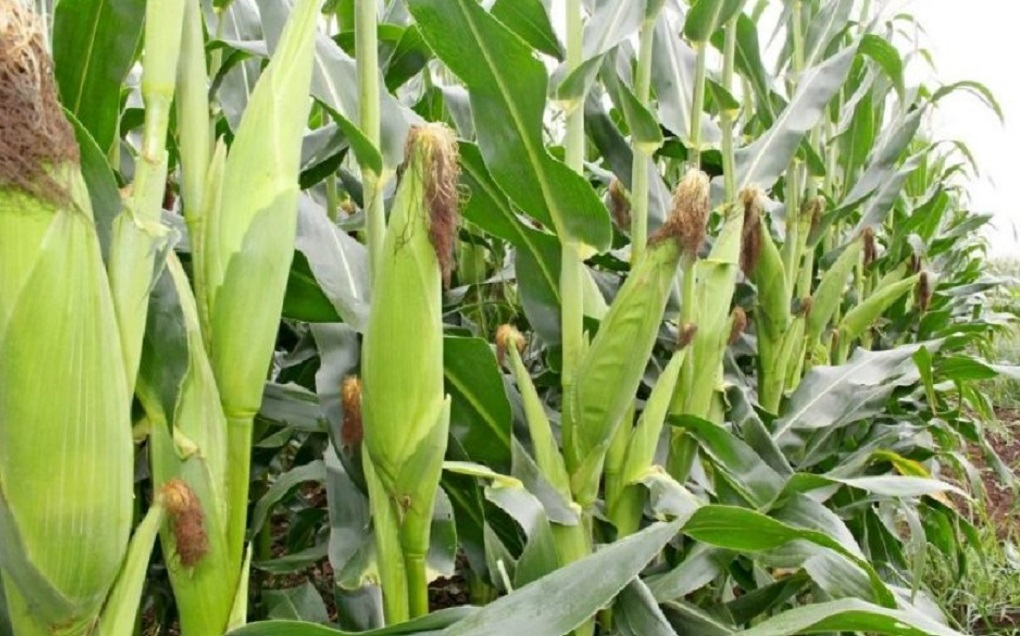
Maize farming in Kenya remains one of the most reliable and profitable agricultural ventures. As the country’s leading staple food, maize feeds millions of households daily and supports industries ranging from flour milling to animal feed production.
For both small-scale and commercial farmers, maize offers dependable demand, multiple income streams, and wide adaptability across regions. With proper land preparation, good agronomic practices, and effective pest control, maize farming can deliver strong yields and consistent profits.
Understanding Maize Farming in Kenya
Maize, commonly known as corn, is grown in almost every part of Kenya. It forms the backbone of staple foods such as ugali and githeri, while also serving as a key raw material for livestock feed.
Farmers choose maize varieties based on rainfall patterns, soil type, and altitude. Common options include hybrid maize for high yields, Katumani varieties for dry regions, and Coast Composite maize for coastal areas. Selecting the right seed variety is the first step toward a successful harvest.
Best Ecological Conditions for Maize Farming in Kenya
Maize grows best when environmental conditions support healthy root development and grain formation. Ideal conditions include:
- Temperatures ranging from 15°C to 30°C
- Well-distributed rainfall throughout the growing season
- Altitude between 100 and 2,900 meters above sea level
- Well-drained loam or alluvial soils
- Soil pH between 5.5 and 7.0
When these conditions are met, maize plants develop strong stalks and produce well-filled cobs.
Land Preparation Tips for Maize Farmers
Land preparation should begin early, preferably before the onset of rains. Start by deep ploughing to remove weeds and bury crop residues. Apply a suitable herbicide where necessary to eliminate stubborn weeds.
After ploughing, harrow the land to break soil clods and achieve a fine tilth. Improve soil fertility by incorporating well-rotted manure or compost. Many farmers also apply DAP fertilizer at planting, as it promotes strong root development and early plant vigor.
Planting Maize the Right Way
Maize is planted using direct seeding. As soon as the rains begin:
- Space rows 90 cm apart and plants 30 cm apart
- Place two seeds per hole
- Add one teaspoon of DAP fertilizer per hole
- Cover lightly with soil to allow proper germination
Early planting helps maize establish before weeds and pests become a major problem, leading to better yields.
Important Farm Practices for Better Yield
Thinning
When seedlings reach about 15 cm in height, remove weaker plants and leave the strongest one per hole. This reduces competition for nutrients and water.
Gapping
Replace missing plants caused by poor germination. Gapping ensures uniform crop growth and prevents yield losses.
Top Dressing
Apply CAN fertilizer two to three weeks after emergence. Nitrogen promotes leafy growth and supports cob development.
Weeding
Weeds compete with maize for nutrients and moisture. Regular weeding improves crop health and reduces pest pressure.
Controlling Maize Pests and Diseases
Pests pose a serious threat to maize yields in Kenya. Common pests include:
- Aphids, which weaken plants by sucking sap
- Cutworms, which damage seedlings at the base
- Stalk borers and fall armyworms, which destroy leaves and bore into stems
Early scouting and timely spraying with recommended pesticides help minimize losses.
Maize diseases are equally damaging and include northern leaf blight, maize smut, and maize lethal necrosis (MLN). Farmers can reduce disease pressure by planting resistant varieties, rotating maize with non-cereal crops, and avoiding continuous maize cultivation on the same land.
The Maize Market in Kenya
The maize market in Kenya remains strong due to high consumption and recurring supply shortages. Farmers can sell maize to:
- Flour millers
- Schools and institutions
- Hotels and restaurants
- Animal feed manufacturers
Beyond grain sales, maize stalks, leaves, and cobs can be sold as livestock feed or processed into silage. Farmers who dry, store, and sell maize during off-season periods often earn higher prices.
Final Thoughts
Maize farming in Kenya continues to be a dependable source of food and income. By choosing the right seed variety, preparing land properly, applying correct farm practices, and controlling pests and diseases, farmers can achieve good harvests and steady profits. With rising food demand and favorable market conditions, maize remains one of the best crops to grow in Kenya today.