


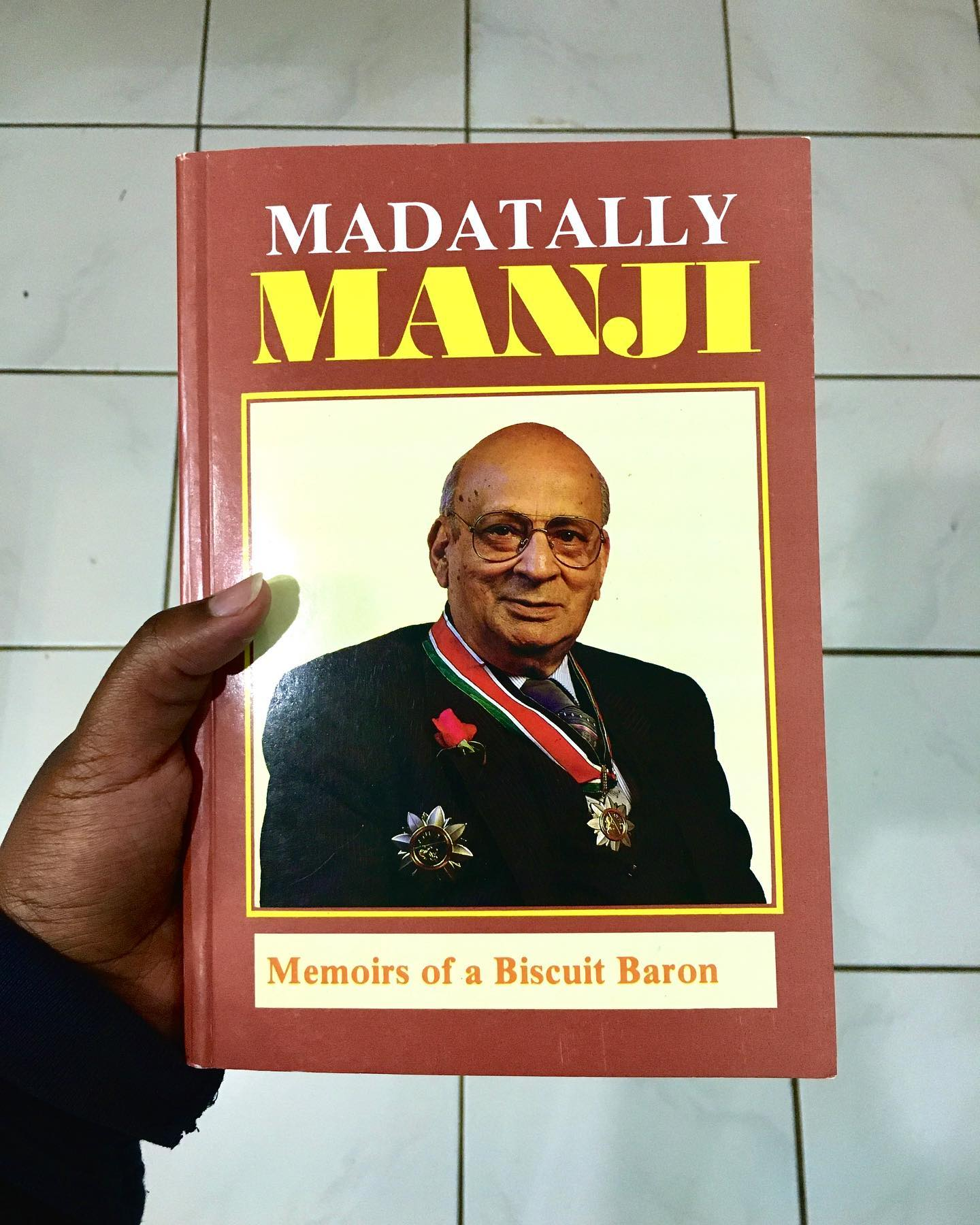
Madatally Manji, a Kenyan entrepreneur born in 1918 in Nyeri, founded what became House of Manji, one of the country’s early large-scale food manufacturing businesses. His journey, often associated with Madatally Manji, began with small-scale trading in Karatina before expanding into a bakery enterprise in Nairobi in 1941.
The company, initially known as Ngara Bakeries, started with bread production before diversifying into biscuits, cakes, cookies and wafers. Over time, it evolved into a family-run business operated alongside his seven brothers, gaining recognition in Kenya’s food industry.
Early Life and Entrepreneurial Beginnings
Madatally Manji grew up in Nyeri after his parents migrated from India. He attended school in Nyeri and Karatina, where he demonstrated early business instincts. During his school years, he engaged in trading activities at Karatina Market, reflecting an early interest in entrepreneurship.
After completing his education, he pursued small-scale business activities, including hawking goods in Karatina. However, his parents encouraged him to seek more stable employment. As a result, he worked as a clerk, transporting goods to clients across Nyeri and the wider Central Province.
Establishment of House of Manji
In 1941, Madatally Manji established a bakery in Nairobi under the name Ngara Bakeries. Initially focused on bread production, the business expanded as demand grew.
During World War II, the bakery secured contracts to supply traditional Indian food to Italian prisoners. This development contributed to the company’s growth and expansion.
Subsequently, the business relocated to a larger facility along River Road. It also diversified its operations by acquiring a pasta plant, allowing it to expand into new product lines beyond bread.
Expansion and Regional Presence
As the company grew, it rebranded as House of Manji. It began producing a wider range of goods, including pasta, sweets, and breakfast products such as Weetabix, alongside its bakery items.
The business expanded beyond Kenya, establishing operations in markets including Pakistan and the United Kingdom. According to historical accounts, it also became one of the first Kenyan family-owned businesses to offer shares to the public.
Financial Challenges and Decline
Despite its expansion, the company later encountered financial difficulties. Reports indicate that high borrowing costs, loan defaults and increased competition affected its operations.
These challenges eventually led to the business being placed under receivership, marking a significant shift from its earlier growth trajectory.
Broader Context
The story of Madatally Manji reflects the evolution of Kenya’s early private sector enterprises, particularly in manufacturing and food production. His business journey illustrates how small-scale trading could develop into large family-owned enterprises during the mid-20th century.
Moreover, the rise and challenges of House of Manji highlight the risks associated with expansion and financing in competitive markets.
Today, the legacy of Madatally Manji remains part of Kenya’s industrial history, demonstrating both the opportunities and vulnerabilities faced by pioneering entrepreneurs.


