Nigeria’s unity continues to face pressure from regional movements calling for the creation of new countries. From Biafra to Oduduwa, agitators across the country have revived secessionist demands rooted in historical grievances, ethnic identity, and perceived marginalization. While none of these movements have resulted in internationally recognized nations, they continue to shape political discourse and challenge the country’s stability.
Here is an in-depth look at the most prominent proposed breakaway nations from Nigeria, based on the demands of various agitator groups.
1. Biafra Republic
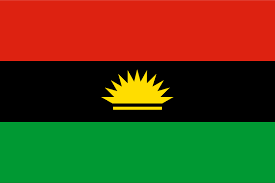
The call for the creation of the Biafra Republic is the most persistent and vocal in Nigeria’s post-independence history. The Indigenous People of Biafra (IPOB), led by Nnamdi Kanu, has been at the forefront of this agitation, seeking to revive the spirit of the original Biafran secession attempt of 1967, which led to a devastating civil war that lasted until 1970.
IPOB argues that the Igbo people of the South-East have been politically and economically marginalized since the end of the war. The group uses various means, including protests and international advocacy, to draw attention to its cause, despite being proscribed by the Nigerian government. Alongside IPOB, the Movement for the Actualization of the Sovereign State of Biafra (MASSOB) has also championed the Biafran cause.
2. Oduduwa Republic
The Oduduwa Republic is a proposed nation championed by Yoruba self-determination groups, most notably Ilana Omo Oodua. The movement has gained significant traction in recent years, driven by grievances of systemic marginalization, insecurity, and the desire for regional autonomy.
Proponents of the Oduduwa Republic have demanded a referendum to determine the will of the Yoruba people regarding secession. While the agitation has largely remained peaceful and has not escalated into armed conflict, it has sparked a significant national debate about the future of Nigeria’s unity.
3. Niger Delta Republic
The Niger Delta Republic is a proposed secessionist movement in Nigeria’s oil-rich South-South region. Agitators in the region have voiced grievances related to environmental degradation, poverty, and lack of development, despite the area being home to Nigeria’s most valuable natural resources — oil.
While the primary demand of the Niger Delta people has often been for resource control and regional autonomy, some factions have gone further to demand full independence, calling for the creation of a new nation to address what they perceive as the neglect by the Nigerian government. The call for a Niger Delta Republic highlights the region’s dissatisfaction with the central government’s management of the country’s resources.
4. Arewa Republic
Although less structured than other movements, the idea of an Arewa Republic has emerged from some northern groups in Nigeria. The Arewa Youth Consultative Forum (AYCF) issued a controversial ultimatum in 2017 for Igbos to leave the North, a statement that reignited ethnic tensions and reignited debates about national unity.
Although the northern leadership distanced itself from the ultimatum, the notion of an Arewa Republic has persisted in fringe discourse, surfacing during periods of political tension. Calls for an Arewa Republic underscore growing political frustrations and ethnic divisions in Northern Nigeria, especially in the context of increasing insecurity and socio-political challenges.
The National Debate and Constitutional Reforms
The demands for the creation of new nations within Nigeria reflect deep-seated regional grievances and have ignited serious debates about Nigeria’s federal structure and its future. As these agitations persist, calls for constitutional reform have gained traction in the National Assembly. The proposed creation of new states and other territorial adjustments are currently under discussion, with some bills making it past their second reading.
Conclusion
While these movements for the creation of new nations from Nigeria have not yet resulted in formal secession, they continue to highlight the ethnic and regional challenges faced by the country. The rising influence of these separatist groups and the calls for autonomy show the need for national dialogue to address the concerns of marginalized regions.
The Biafra Republic, Oduduwa Republic, Niger Delta Republic, and the Arewa Republic represent just a few of the ongoing secessionist movements. As Nigeria looks toward the future, especially with the 2027 elections on the horizon, these movements will likely continue to shape the political landscape, prompting further calls for federal restructuring and reforms to meet the demands of various regions.