


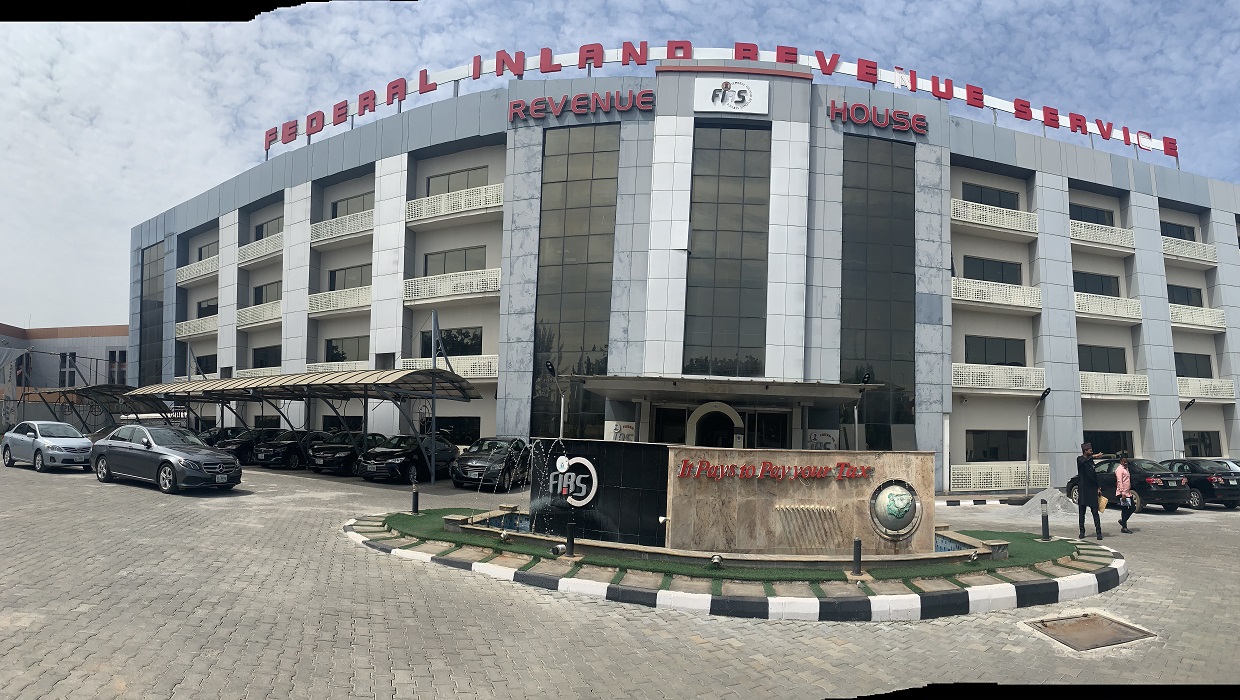
Every Nigerian taxpayer is legally required to file tax returns in Nigeria with the Federal Inland Revenue Service (FIRS). Whether you are an individual, self-employed professional, corporation, or government institution, tax compliance starts with accurately submitting your returns within the deadlines set by law.
This article provides a comprehensive breakdown on how to file tax returns in Nigeria, including the types of returns, due dates, documentation, and steps for submission. It also outlines obligations under Company Income Tax, VAT, PAYE, Capital Gains Tax, and more.
✅ What is Tax Return Filing?
Filing is the submission of a tax report by a taxpayer to the relevant authority (FIRS) following legal procedures.
A Tax Return is a report containing financial and tax-related data for a given period, used to determine your tax obligations.
🧾 Types of Tax Returns Filed with FIRS
1. Companies Income Tax (CIT) Returns
- Who: All companies (new and existing), including tax-exempt ones.
- Due Dates:
- New companies: Within 18 months of incorporation or 6 months after financial year-end—whichever is earlier.
- Existing companies: Within 6 months of accounting year-end.
Documents Required:
- Self-assessment form
- Audited financial statements
- Tax computation
- Capital allowances
- Fixed assets schedule
- Evidence of tax payment
- Signed by 2 directors and external auditors
2. Personal Income Tax (PIT) Returns
(a) Self-Employed Individuals
- Must file annually by March 31
- Include full income disclosure, deductions, and evidence of tax payment
(b) Employed Individuals (via PAYE)
- Employers deduct PAYE and submit monthly returns
- Must file annual returns by January 31
3. Petroleum Profits Tax (PPT) Returns
- Estimated Returns: Filed within 2 months of the accounting year’s start
- Annual Returns: Filed within 5 months after the year-end
- Includes income statements, capital allowance computations, and final tax due.
4. Transfer Pricing Returns
- Applicable to multinationals and related party transactions
- Submit both a Transfer Pricing Declaration and a Disclosure Form annually with CIT returns.
5. Value Added Tax (VAT) Returns
- Filed monthly using VAT Form 002
- Includes:
- Value of supplies
- Output and input tax
- Schedules of adjustments (credit notes, bad debts, etc.)
- Net VAT and proof of payment
- Due Date: 21st of the following month
6. Withholding Tax (WHT) Returns
- Required for organizations deducting WHT
- Submit a detailed schedule of suppliers, TINs, amounts, and proof of remittance
Due Dates:
- Companies: 21 days from deduction
- Petroleum Companies: 30 days from deduction
7. Education Tax Returns
- Filed along with CIT or PPT
- Requires self-assessment form and evidence of payment
- Rate: 2% of assessable profit
8. Capital Gains Tax (CGT) Returns
- Triggered when a chargeable asset is sold
- Rate: 10%
- Includes asset schedule, sale documentation, and CGT computation
9. National Information Technology Development Levy (NITDL)
- Paid by companies with N100M+ annual turnover in tech and finance sectors
- Rate: 1% of profit before tax
- Submitted with CIT returns
10. Capital Market Operator Returns
- Primary Market: File monthly returns with VAT, commissions, and taxes
- Secondary Market: Report transaction volume and tax data
- Due Date: Within 7 days after month-end
🛠️ General Procedure for Filing Tax Returns with FIRS
- Collect free forms from FIRS offices or online
- Complete forms carefully and get them signed
- Pay taxes at designated banks and collect e-tickets
- Submit to FIRS office:
- Completed return forms
- Payment evidence
- Required documentation
- Collect official tax receipt from FIRS
- Reconcile tax records if needed
⚠️ Penalties for Late Filing
- Penalties apply across tax types, often as fixed fees or percentages of unpaid taxes. Timely filing avoids assessments and fines.
Final Note
To file tax returns in Nigeria accurately, follow FIRS timelines and requirements for your specific tax category. Consistent compliance builds credibility, avoids penalties, and strengthens business sustainability. For updates, always refer to www.firs.gov.ng or your nearest FIRS office.


