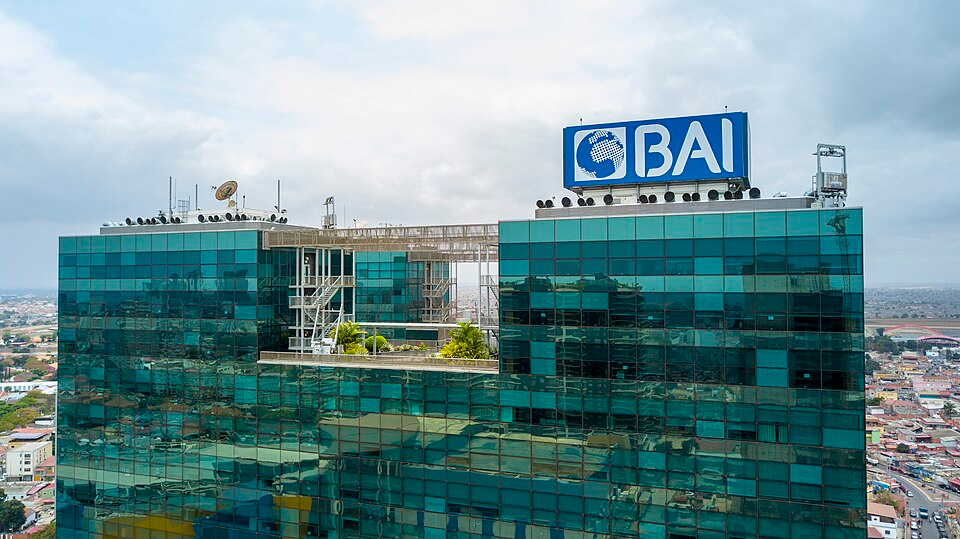
Angola banks play a critical role in one of Africa’s largest oil-driven economies. The country’s financial system supports trade, infrastructure development, and economic diversification beyond the energy sector.
The Angolan banking sector includes state-owned institutions, private banks, and international subsidiaries. Together, these Angola banks provide retail banking, corporate finance, and investment services across the country.
1. Banco Angolano de Investimentos (BAI)
Banco Angolano de Investimentos is one of the leading Angola banks. It has a strong presence in corporate and retail banking.
The bank offers loans, deposits, and investment services. It supports major industries, including oil and construction.
Its strength lies in its scale and strong market position.
2. Banco Caixa Geral Angola
Banco Caixa Geral Angola operates as part of the Portuguese CGD Group.
The bank provides retail banking, corporate services, and financial solutions.
Its advantage lies in its international backing and expertise.
3. Banco de Comércio e Indústria (BCI)
Banco de Comércio e Indústria is a state-owned bank.
The bank offers retail banking, corporate services, and government-related financing.
Its strength lies in its public sector role.
4. Bank of China Angola (Sucursal em Luanda)
Bank of China operates in Angola through its Luanda branch.
The bank provides trade finance, corporate banking, and international services.
Its advantage lies in its strong global network.
5. Banco Económico
Banco Económico is a major private bank in Angola.
The bank offers retail banking, loans, and corporate services.
Its strength lies in its domestic presence.
6. Banco de Negócios Internacional (BNI)
Banco BNI focuses on corporate banking and investment services.
The bank provides financing solutions and advisory services.
Its advantage lies in its focus on business clients.
7. Banco BIC
Banco BIC is one of the most prominent Angola banks.
The bank offers retail banking, corporate finance, and international services.
Its strength lies in its strong brand and market reach.
8. Banco Comercial Angolano (BCA)
Banco Comercial Angolano provides banking services to individuals and businesses.
The bank offers loans, deposits, and financial advisory services.
Its advantage lies in its local focus.
9. Banco Comercial do Huambo
Banco Comercial do Huambo operates regionally within Angola.
The bank provides retail banking and SME financing.
Its strength lies in its regional presence.
10. Banco de Desenvolvimento de Angola (BDA)
Banco de Desenvolvimento de Angola is a state-owned development bank.
The bank provides financing for infrastructure and development projects.
Its advantage lies in supporting economic growth.
11. Banco de Fomento Angola (BFA)
Banco de Fomento Angola operates as part of CaixaBank Group.
The bank offers retail banking, corporate services, and investment solutions.
Its strength lies in its international connections.
12. Banco de Investimento Rural (BIR)
Banco de Investimento Rural focuses on agricultural and rural financing.
The bank provides loans and financial services for farmers and rural businesses.
Its advantage lies in supporting rural development.
13. Banco de Poupança e Crédito (BPC)
Banco de Poupança e Crédito is one of the largest state-owned Angola banks.
The bank offers retail banking, loans, and government-related services.
Its strength lies in its nationwide reach.
14. Banco Millennium Atlântico
Banco Millennium Atlântico operates with links to Portuguese banking groups.
The bank provides retail banking, corporate services, and investment solutions.
Its advantage lies in its international expertise.
15. Banco Keve
Banco Keve is a private Angolan bank.
The bank offers retail banking, loans, and business financing.
Its strength lies in its customer-focused services.
16. Banco Valor
Banco Valor provides financial services to individuals and businesses.
The bank offers loans, deposits, and financial solutions.
Its advantage lies in its growing market presence.
17. Access Bank Angola
Access Bank operates in Angola as part of the Nigerian Access Bank Group.
The bank provides retail banking, corporate services, and digital banking solutions.
Its strength lies in its regional expansion.
18. Banco Sol
Banco Sol focuses on retail banking and microfinance.
The bank provides loans, savings accounts, and financial services.
Its advantage lies in promoting financial inclusion.
19. Standard Chartered Angola
Standard Chartered operates in Angola as part of its global network.
The bank provides corporate banking, trade finance, and investment services.
Its strength lies in its international reach.
20. Banco VTB África
Banco VTB África operates as part of Russia’s VTB Group.
The bank provides corporate banking and financial services.
Its advantage lies in its global connections.
21. Banco de Crédito do Sul (BCS)
Banco de Crédito do Sul serves individuals and businesses.
The bank offers loans, deposits, and financial advisory services.
Its strength lies in its regional operations.
22. Banco Yetu
Banco Yetu is a private Angolan bank.
The bank provides retail banking and business financing.
Its advantage lies in its local market focus.
23. Standard Bank de Angola
Standard Bank de Angola operates under the Standard Bank Group.
The bank provides corporate banking, retail services, and investment solutions.
Its strength lies in its strong African presence.
What Makes a Bank the Best
Several factors define the strength of Angola banks. Financial stability remains essential, especially in a resource-dependent economy.
Government support plays a key role, particularly for state-owned banks.
Digital innovation is growing, with banks investing in modern platforms.
Customer access to credit and financial services also drives competitiveness.
Analysis of the Banking Sector
The Angolan banking sector is diverse and evolving. State-owned banks dominate in size, while private and international banks bring innovation.
Oil revenues heavily influence the sector. However, banks are diversifying into other industries.
Digital banking is expanding, improving access to financial services.
Why This Matters
Angola banks support economic growth, infrastructure development, and financial inclusion. Their services are essential for businesses and individuals.
What Happens Next
The future of Angola banks will focus on diversification and digital transformation.
Banks will invest in fintech and expand services. At the same time, regulatory reforms may strengthen the sector.
Conclusion
Angola banks form a dynamic and growing financial system. Their mix of public and private institutions ensures stability and development.
As the economy evolves, these banks will continue to play a key role in shaping Angola’s financial future.