


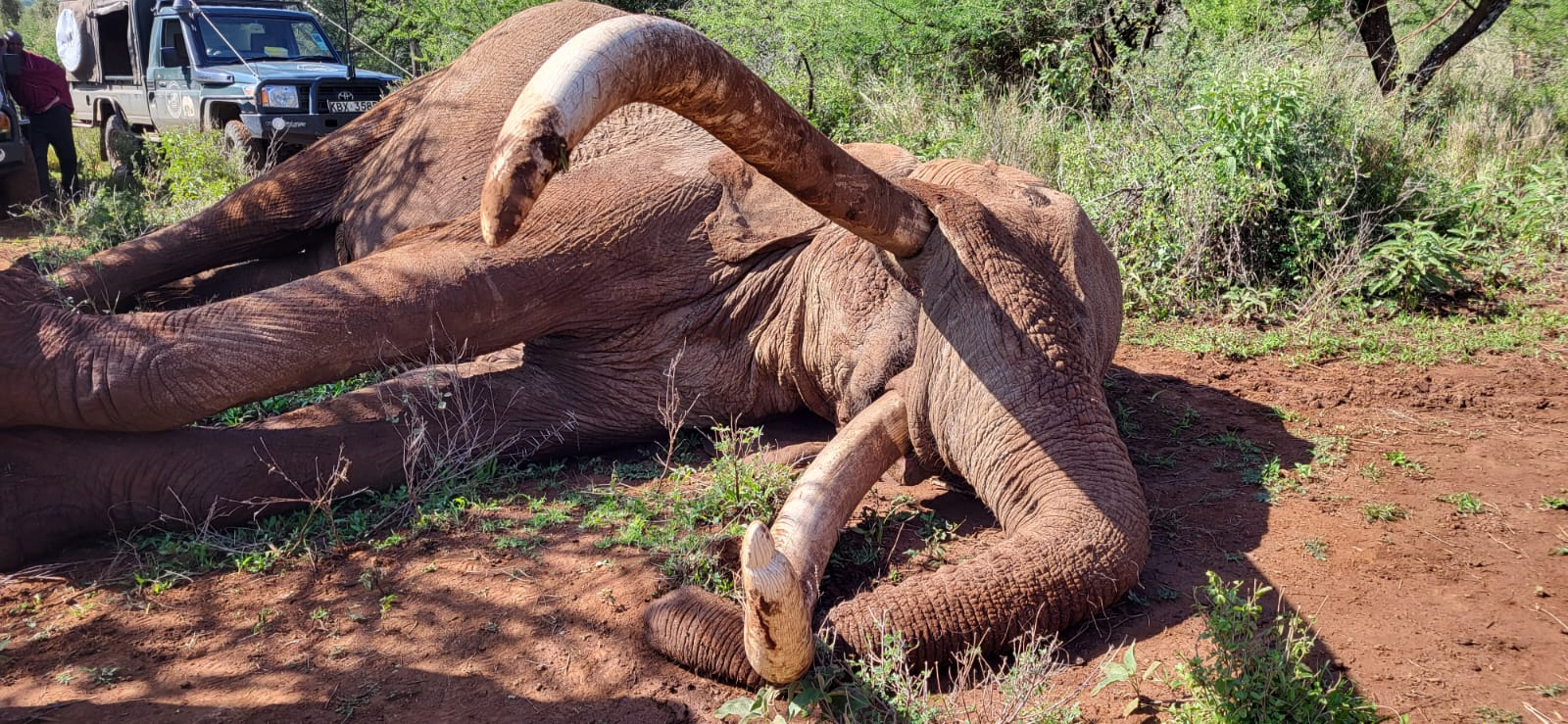
The Kenya Wildlife Service (KWS) has announced the death of Craig, one of Africa’s most iconic elephants. Known for his immense size and extraordinary tusks, Craig passed away at the age of 54 in Amboseli National Park. His death marks not only the end of an era for the park but also a significant loss to elephant conservation in Kenya and across the globe.
Craig was not just any elephant; he was a super tusker, a rare group of elephants that have tusks weighing over 45 kilograms (100 lbs) each. His passing has sent waves of sorrow through the conservation community and wildlife enthusiasts worldwide, marking a profound moment in wildlife preservation history.
The Rarest of the Rare: Craig’s Legacy
Craig was one of the few remaining super tuskers in the wild, making his death even more poignant. These elephants, with tusks so large they often touched the ground, are becoming increasingly rare, with experts estimating fewer than a handful remain in the wild today. Craig’s tusks, so long that they would sweep the grass as he walked, were an iconic feature of Amboseli’s landscape.
Born in January 1972 to the matriarch Cassandra of the CB family in Amboseli, Craig lived a full life—one that few elephants ever experience. His size and tusks made him a living monument to Africa’s natural heritage. However, it was not just his physical appearance that made him famous; it was also his gentle nature.
A Calm Ambassador for Amboseli
What set Craig apart from many other elephants of his size was his temperament. Unlike some larger bulls, Craig was remarkably calm, earning him the title of a true ambassador of Amboseli. Known to interact with tourists and photographers without showing signs of distress, Craig seemed to understand his place in the world. He would often pause and patiently wait while visitors captured his majestic presence on camera.
Craig became a symbol of successful conservation efforts in Amboseli, representing the positive results of wildlife management, anti-poaching efforts, and sustainable tourism. His calm and dignified nature made him one of the most admired animals in the region, drawing visitors from all over the world to Amboseli National Park.
A Legacy of Protection and Survival
Craig’s life was marked by conservation success. Born into a protected environment, he survived to an impressive age of 54, which is rare for elephants of his size and age, particularly considering the dangers they face from poaching. KWS, working alongside local communities and anti-poaching units, ensured that Craig was constantly monitored and his habitat preserved.
In 2021, Craig’s status was further elevated when East African Breweries Limited (EABL), through their Tusker brand, adopted him as part of their corporate social responsibility initiatives. This brought more attention to his significance as an ambassador for wildlife conservation.
Craig’s survival to such an old age without falling victim to poaching is a testament to the effectiveness of Kenya’s conservation efforts. His legacy includes not only his massive tusks but also the many calves he fathered over the years, ensuring that his genetics and calm nature continue in the Amboseli elephant ecosystem.
Tributes Pour In: Public Reactions to Craig’s Death
Following the announcement of Craig’s death, social media and wildlife forums have been flooded with tributes. Fans and wildlife lovers worldwide have shared their fond memories of the super tusker, celebrating his life and contribution to elephant conservation. KWS has encouraged the public to share their personal memories and reflect on the impact Craig had on conservation efforts.
The Future of Elephant Conservation
Craig’s passing has sparked renewed discussions about the importance of protecting super tuskers and elephants in general. These majestic animals play a crucial role in maintaining the ecological balance in their habitats, and their survival is directly linked to the health of Africa’s ecosystems. The loss of such a revered figure highlights the urgent need for continued conservation efforts and the protection of wildlife from poaching and habitat destruction.
As Kenya mourns the death of one of its most beloved wildlife icons, conservationists are reminded of the fragility of nature and the importance of sustained, coordinated efforts to protect endangered species.
Conclusion: Honoring Craig’s Legacy
Craig the Super Tusker was not just a giant elephant with remarkable tusks; he was a symbol of what effective wildlife conservation can achieve. His death is a major blow to elephant conservation in Kenya and globally. However, his legacy will live on through the continued efforts to protect elephants and other endangered species. Craig’s memory will inspire future generations of wildlife conservationists, ensuring that his impact is never forgotten.


