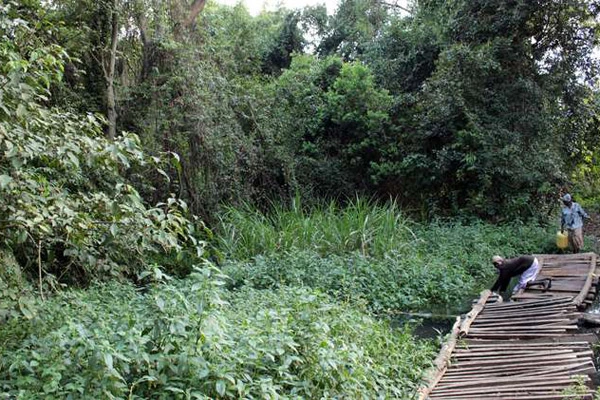
Tucked away at the edge of the South Mau National Reserve, the Kipsegon Ecosystem is one of Bomet’s most serene and biodiverse natural treasures. Spanning 27 acres of lush, unspoiled greenery in Nyangores, this protected biosphere offers an enchanting experience that fuses environmental education with deep ecological tranquility. It is a haven for those seeking a peaceful connection with nature, far from the rush of urban life.
Walking through the Kipsegon Ecosystem feels like stepping into an untouched Eden. Local guides enrich each visit with fascinating insights into the traditional medicinal uses and ecological roles of the area’s plant species. Every turn introduces visitors to Kenya’s vibrant biodiversity — from herbs and shrubs to towering indigenous trees, all contributing to the region’s delicate balance. The air is cool and fresh, filled with the chirping symphony of countless bird species that thrive in this sanctuary. Gentle streams meander through boggy patches and forested areas, offering an ideal setting for leisurely nature walks, photography, and quiet reflection.
Among the site’s most intriguing features is the Kipsegon Cave, steeped in local legend. According to elders, the cave was once inhabited by “lighting” — a mystical phenomenon said to have dwelled there before mysteriously vanishing in the 1960s. Stories like these add a touch of mystery to the site, blending folklore with the tangible wonder of its natural surroundings.
To safeguard this ecological gem from encroachment and deforestation, Bomet County Government allocated KSh 19 million for its conservation and long-term management. Located 18 kilometers from Bomet Town, Kipsegon Ecosystem is easily accessible via the Bomet–Tenwek–Silibwet Road, passing through Silibwet, Tirgaga, and Bondet before reaching Nyangores.
As a sanctuary devoted to sustainable tourism and biodiversity preservation, Kipsegon Ecosystem reflects Kenya’s growing appreciation for community-driven conservation. Visitors here not only witness nature’s beauty but also gain insight into the delicate harmony between humans and the environment — an experience that is both restorative and enlightening.