


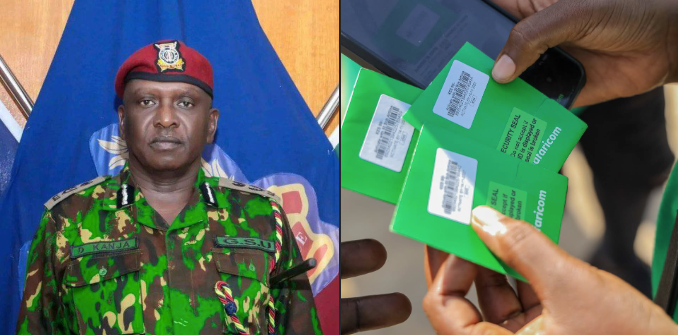
The relationship between Safaricom and the Kenyan government has come under intense scrutiny over allegations of surveillance, unlawful tracking, and data sharing without proper oversight. As concerns grow over digital privacy in Kenya, it’s important to understand how government agencies may track citizens using mobile networks—especially the country’s largest telecom provider, Safaricom.
Phone Tracking and Government Requests
Security agencies in Kenya—including the Directorate of Criminal Investigations (DCI)—often rely on mobile service providers like Safaricom to access call detail records (CDRs), SIM registration data, and phone location metadata. This information is crucial for investigations but can also be misused for political purposes or unlawful surveillance.
In several cases, especially during periods of protest or political unrest, human rights groups have reported that the Kenyan government has requested information about activists and journalists without formal court orders.
How Safaricom Enables Phone Tracking
According to official sources and civil society investigations:
- Call Data Records (CDRs) provide details on whom a person called, when, and for how long.
- Cell tower triangulation can estimate a user’s real-time location.
- SIM registration data includes a user’s name, ID number, and contact information.
Safaricom has reportedly worked with third-party software providers to install real-time fraud management systems that enable detailed tracking of users’ movement patterns. While these systems are meant for internal telecom security, critics argue they have been accessed by law enforcement agencies for surveillance purposes.
Legal vs. Illegal Access

The Data Protection Act, 2019 in Kenya mandates that user data should only be shared with the government when backed by a court order. Safaricom maintains that it follows this rule. However, multiple reports allege that the Kenyan government has sometimes accessed data informally—without legal authorization—especially during politically sensitive periods.
The Albert Ojwang Case: A Flashpoint
The debate over phone tracking intensified after the controversial death of teacher and activist Albert Ojwang. Reports revealed that Safaricom allegedly handed over his phone data after the DCI wrote to the Communications Authority of Kenya (CAK), which then instructed Safaricom to comply. The case has triggered fresh concerns about how easily the Kenyan government can request and access private citizen information through telcos.
Public Concerns and Transparency Gaps
Civil society organizations, including the Kenya Human Rights Commission (KHRC), have demanded that Safaricom:
- Disclose the number of government data requests it receives annually.
- Publish a transparency report, like tech companies do globally.
- Strengthen internal oversight to prevent data misuse by rogue state actors.
What Can Be Done?
To safeguard user privacy while supporting lawful investigations, the following steps are recommended:
- Court-ordered access only: Ensure all government requests are backed by a legal warrant.
- Transparent disclosures: Safaricom should publish regular reports on how many data requests it honors.
- User awareness: Educate Kenyans on their rights under the Data Protection Act.
Conclusion
The Kenyan government’s collaboration with Safaricom in tracking citizens’ phones raises critical questions about digital rights, accountability, and transparency. While security concerns justify certain forms of surveillance, the lack of public oversight and potential for abuse must be addressed. As more Kenyans rely on mobile networks for communication and work, trust and data privacy should remain at the heart of all government-telecom partnerships.


