Kenya–South Sudan relations are rooted in decades of regional solidarity, cultural ties, and diplomatic cooperation. Since South Sudan’s independence in 2011, Kenya has remained a critical strategic partner, offering support in governance, peace-building, infrastructure, and economic development. The nations also maintain diplomatic ties through embassies in Nairobi and Juba, reinforcing their commitment to regional stability.
One of the most notable issues in Kenya–South Sudan relations is the disputed Ilemi Triangle, a sparsely populated border area claimed by both countries. Despite this unresolved territorial dispute, diplomatic and trade cooperation has continued to grow.
Pre-Independence Support and Historic Role
Kenya played a pivotal role in South Sudan’s road to independence. The 2002 Machakos Protocol, signed in Kenya, marked the beginning of peace negotiations between Sudan and the Sudan People’s Liberation Movement (SPLM), eventually leading to the 2005 Comprehensive Peace Agreement (CPA). This agreement laid the foundation for South Sudan’s autonomy and subsequent independence.
During the Sudanese civil wars, Kenya hosted over 100,000 South Sudanese refugees, including many SPLM leaders. Nairobi became a diplomatic hub for southern Sudanese political negotiations, solidifying Kenya’s influence in the region.
Post-Independence Cooperation
After independence, Kenya–South Sudan relations evolved into formal government partnerships. Kenya has provided critical support in areas such as public administration, foreign service training, peacebuilding, and post-conflict reconstruction. South Sudanese officials have undergone training in Nairobi to help establish a competent and stable government infrastructure.
Kenya’s contributions have focused on long-term stability and regional integration, especially through platforms such as the East African Community (EAC) and the Intergovernmental Authority on Development (IGAD).
State Visits and Diplomatic Engagements
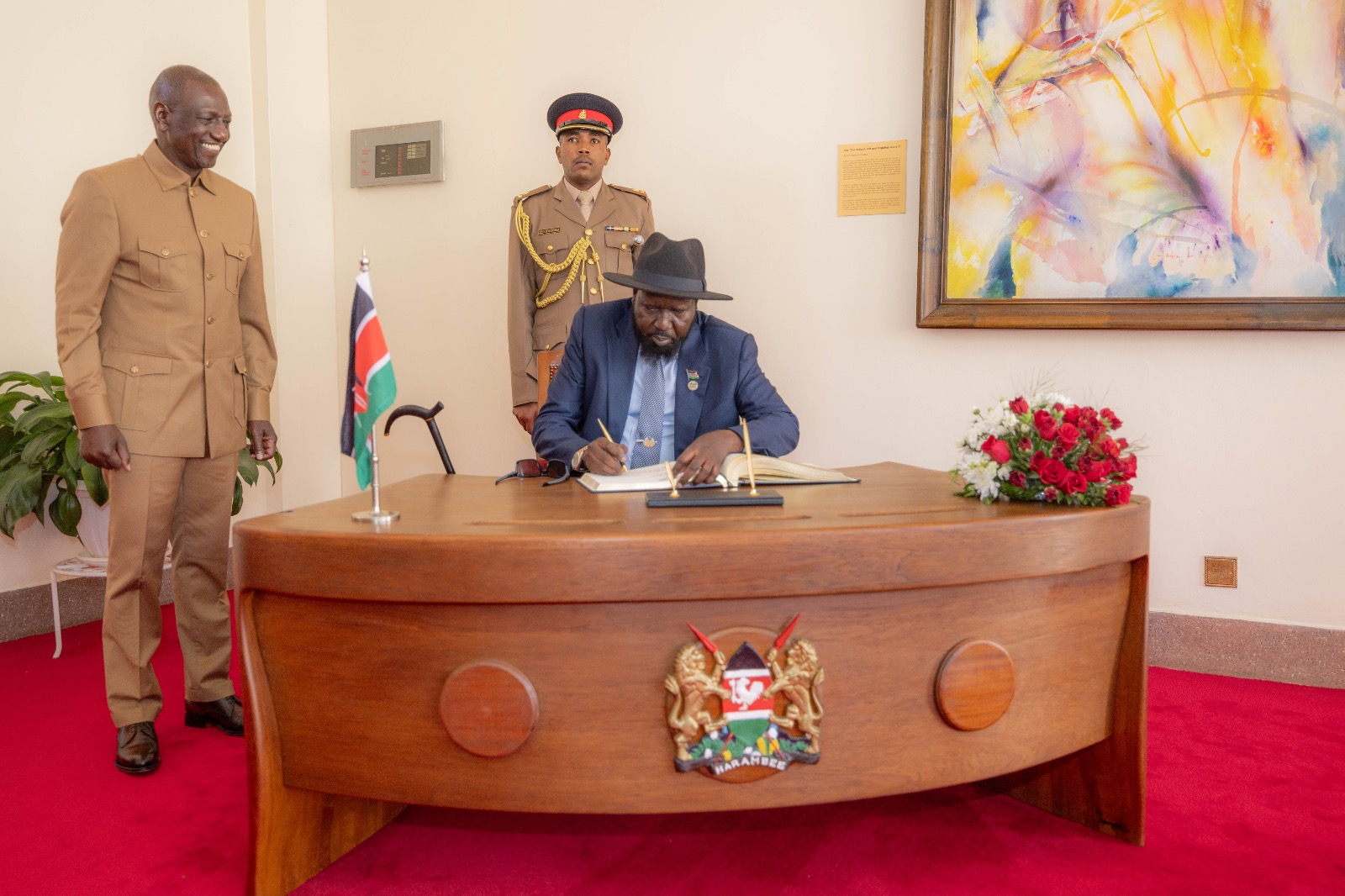
President Salva Kiir’s 2019 visit to Kenya reaffirmed bilateral ties, with discussions centering on peace, trade, and infrastructure. Kenyan President Uhuru Kenyatta also made several trips to Juba, highlighting the significance of cross-border diplomacy. These frequent high-level exchanges underscore the importance both countries place on mutual development and security.
Trade and Economic Ties
Trade between the two nations has steadily increased over the years. Kenya’s exports to South Sudan stood at $57.6 million in 2005, surging to $207.3 million in 2010. Although there were fluctuations, trade has remained a cornerstone of bilateral relations. Most of the goods flowing into South Sudan are re-exports through Kenya, with timber being one of the few direct exports from South Sudan to Kenya.
Kenyan Foreign Direct Investment (FDI) in South Sudan
Kenyan firms dominate South Sudan’s financial services market. Kenya Commercial Bank (KCB), with over 21 branches, holds approximately 50% of South Sudan’s banking market share. Other Kenyan banks such as Equity Bank and Co-operative Bank have also established operations in Juba.
These investments not only foster economic integration but also provide essential financial services in a post-conflict economy.
Infrastructure and the LAPSSET Corridor
A vital part of Kenya–South Sudan relations is the LAPSSET (Lamu Port-South Sudan-Ethiopia-Transport) Corridor Project. This ambitious infrastructure programme includes plans to connect Lamu and Juba via road, rail, and oil pipeline. Once complete, LAPSSET will offer South Sudan a crucial alternative port for exporting oil, reducing dependence on Sudan.
Other infrastructure efforts include the rehabilitation of the Kitale–Juba road, which would improve transport and logistics between the two countries.
South Sudan Civil War and Kenya’s Mediation Role
Kenya has remained active in resolving the South Sudanese civil war that erupted in December 2013. Through IGAD, Kenya has facilitated peace talks and ceasefire agreements between the warring factions. Both countries, as members of IGAD, continue to collaborate on issues ranging from peace enforcement to regional development.
Kenya has also provided asylum and support to thousands of refugees displaced by the conflict, reflecting its broader humanitarian commitment in East Africa.
Diplomatic Missions
- South Sudan maintains an embassy in Nairobi, which serves as a key platform for diplomatic and economic engagement.
- Kenya maintains an embassy in Juba, facilitating bilateral cooperation and the protection of its large investment and diaspora interests.