
Nyongesa Sande
No Result
View All Result
  • News
    • World
    • Africa
  • Politics
  • Business
  • Tech
  • AI
  • Telecom
  • Sports
  • Opinion
  • Lifestyle
  • Live
  • World Cup 2026
    • World Cup 2026 Standings
    • World Cup 2026
Nyongesa Sande
  • About Us
    • Nyosake Designers
      • Nyosake Webmasters
      • Nyosake Investment
  • Contact Us
    • Newsroom Contact
  • Ownership Disclosure
  • Advertise
No Result
View All Result
Nyongesa Sande
No Result
View All Result
  • News
  • Politics
  • Business
  • Tech
  • AI
  • Telecom
  • Sports
  • Opinion
  • Lifestyle
  • Live
  • World Cup 2026
ADVERTISEMENT

Home » Kenya Risks Outages as Internet Demand Surpasses Capacity

Kenya Risks Outages as Internet Demand Surpasses Capacity

NyongesaSande News Desk by NyongesaSande News Desk
9 months ago
in Telecom Providers
Reading Time: 3 mins read
A A
Kenya Risks Outages as Internet Demand Surpasses Capacity

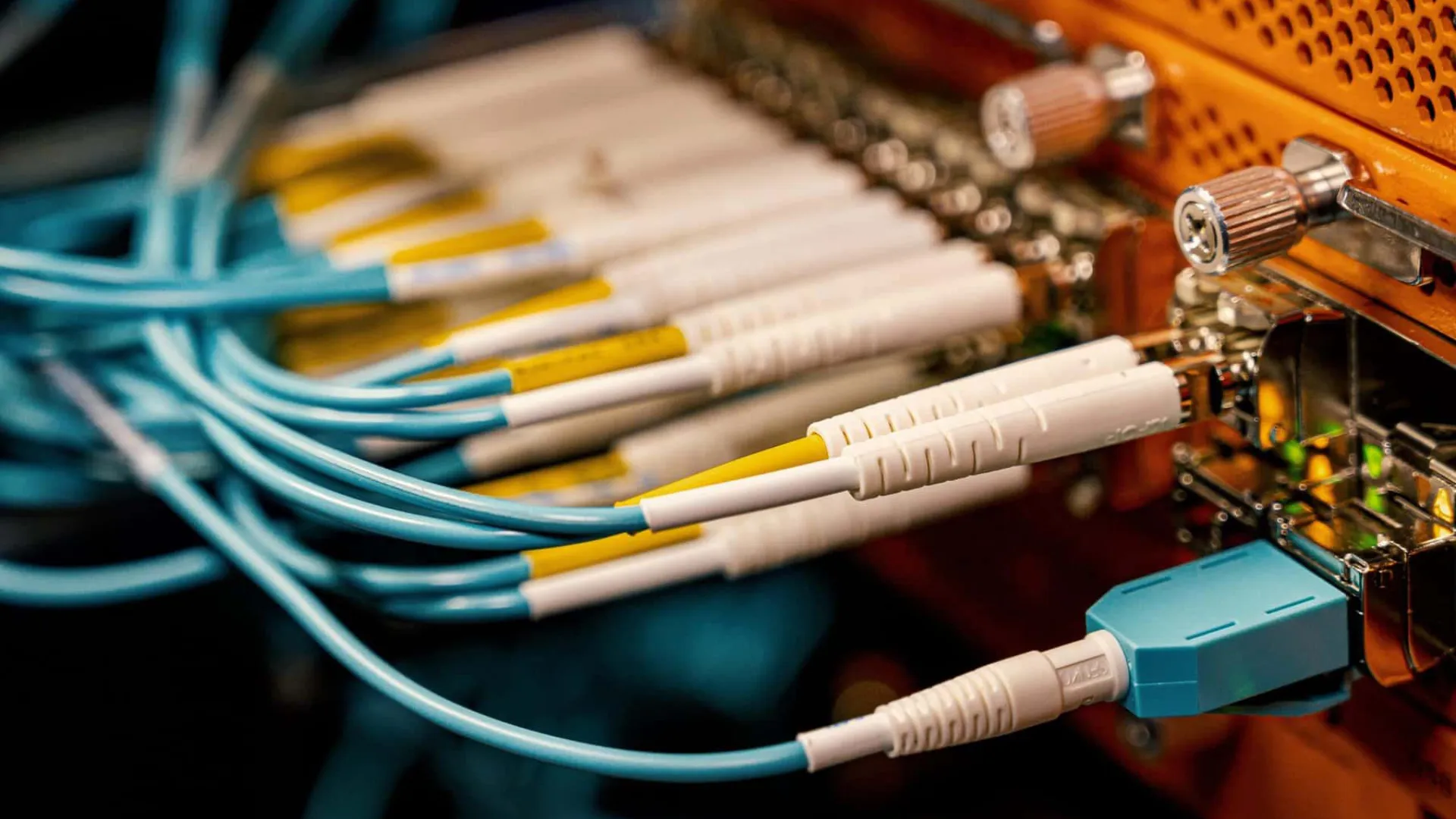
Kenya is now facing a critical challenge in its digital journey. The Kenya internet capacity has dropped even as demand for connectivity continues to rise at record levels. This mismatch between supply and usage is pushing the country closer to network congestion and potential outages.

  • Declining Bandwidth vs Rising Demand
  • Pressure on Networks and Consumers
  • Opportunities and Alternatives
  • Infrastructure Planning and Future Outlook

Once celebrated as East Africa’s internet hub, Kenya now struggles with shrinking international bandwidth. With businesses, schools, and homes depending on fast internet, the country must urgently address the risk of disruptions that could shake its digital economy.

Declining Bandwidth vs Rising Demand

According to the Communications Authority, Kenya’s available international bandwidth fell by 12.5% in the second quarter of 2025. Capacity stood at 19,381 Gbps, down from 22,148 Gbps just three months earlier. This decline was linked to adjustments on major undersea cables such as SEACOM and EASSy, which handle most of Kenya’s internet traffic.

ADVERTISEMENT

At the same time, usage surged. Kenyans consumed 10,735 Gbps of capacity during the same period, up from 9,589 Gbps in the previous quarter. That means the country is now using about 55% of its available international bandwidth—the highest rate ever recorded.

Pressure on Networks and Consumers

High utilization rates create risks of congestion and outages, especially during peak hours. Businesses, streaming platforms, and remote workers all add heavy loads on the system. Mobile broadband use reached 620 billion GB in the last quarter, with 4G networks carrying more than 80% of subscriptions. Fixed internet connections also expanded by 42.9% year-over-year, surpassing 2.1 million subscribers.

ADVERTISEMENT

For internet service providers, tighter capacity means higher costs. They must purchase more wholesale bandwidth, and when supply shrinks, prices rise. Consumers eventually feel this through slower speeds or higher monthly bills.

Opportunities and Alternatives

While the Kenya internet capacity crunch presents risks, it also opens doors for alternative providers. Satellite services like Starlink are gaining attention, especially in rural areas where undersea capacity struggles to reach. Such options could reduce reliance on a few submarine cables and improve redundancy.

Kenya’s position as a regional internet hub depends on maintaining reliable, affordable connectivity. Hosting major exchange points and supplying internet to neighboring countries gives it a unique advantage, but only if infrastructure keeps pace with demand.

ADVERTISEMENT

Infrastructure Planning and Future Outlook

Experts note that undersea cable fluctuations are not unusual. Maintenance, technical issues, and commercial agreements can all affect capacity. However, the sharp quarterly decline highlights how vulnerable Kenya’s digital backbone can be.

To secure the future, Kenya must diversify its internet routes, expand submarine cable infrastructure, and strengthen redundancy systems. The government and private sector need to collaborate on long-term infrastructure projects, since building new capacity takes years of planning.

As internet use continues to grow rapidly, today’s decisions will define tomorrow’s connectivity. Without investment, Kenya risks undermining its role as East Africa’s digital leader.

Tags: Kenya broadbandKenya connectivityKenya internet capacityundersea cables
Share2Tweet1SendShareScanSharePinShareShare
Google Add as a Preferred Source on Google
Previous Post

Best Tourist Attractions in Singapore

Next Post

Microsoft Revives Animated Wallpapers in Windows 11

NyongesaSande News Desk

NyongesaSande News Desk

Nyongesa Sande offers diverse content across news, technology, entertainment, and more, aiming to provide readers with a wide range of informative and engaging articles. NYONGESA SANDE's dedicated team provides our audience not only with the highly relevant news but also with outstanding interactive experience.

Related Posts

Kenya 5G Internet Is Fast, But Not Truly Unlimited
Telecom Providers

Kenya 5G Internet Is Fast, But Not Truly Unlimited

1 week ago
AT&T Build-A-Plan Lets Users Customize Wireless Plans
Telecom Providers

AT&T Build-A-Plan Lets Users Customize Wireless Plans

1 month ago
Verizon and Other Carriers Push Back Against Nvidia’s AI Plans for Telecom Networks
Telecom Providers

Verizon Upgrades 5G Network for Indy 500 With Speeds Above 1Gbps

1 month ago
AT&T Launches eSIM Service for FIFA World Cup 2026 Visitors
Telecom Providers

AT&T Launches eSIM Service for FIFA World Cup 2026 Visitors

1 month ago
Visible Launches Graduation Discounts and iPhone Sweepstakes
Telecom Providers

Visible Launches Graduation Discounts and iPhone Sweepstakes

1 month ago
Bharti Airtel Pushes Standalone 5G as Africa Strategy Expands
Telecom Providers

Bharti Airtel Pushes Standalone 5G as Africa Strategy Expands

1 month ago
Load More
Next Post
Microsoft Revives Animated Wallpapers in Windows 11

Microsoft Revives Animated Wallpapers in Windows 11

Trump’s H-1B Visa Fee May Push Tech Firms Offshore

Trump’s H-1B Visa Fee May Push Tech Firms Offshore

ADVERTISEMENT

Who We Are

Nyongesa Sande

NyongesaSande.com is a digital news and media platform covering breaking news, business, technology, AI, politics, sports, world affairs and African innovation.

News Sections

  • News
    • World
    • Africa
  • Politics
  • Business
  • Tech
  • AI
  • Telecom
  • Sports
  • Opinion
  • Lifestyle
  • Live
  • World Cup 2026
    • World Cup 2026 Standings
    • World Cup 2026

Editorial Standards

  • Editorial Policy
  • Fact Checking Policy
  • Corrections Policy
  • Ethics Policy
  • AI Usage Policy
  • News Tips
  • Submit Press Release

Legal

  • Privacy Policy
  • Terms of Use
  • Cookie Policy
  • Risk Disclaimer
  • Disclaimer
  • DMCA
  • Ad Choices

Our Company

  • About Us
    • Nyosake Designers
      • Nyosake Webmasters
      • Nyosake Investment
  • Contact Us
    • Newsroom Contact
  • Ownership Disclosure
  • Advertise
  • Privacy Policy
  • Terms of Use
  • Cookie Policy
  • Risk Disclaimer
  • Disclaimer
  • DMCA
  • Ad Choices

NyongesaSande.com is an independent digital news and media platform covering Africa, business, technology, AI, politics and global developments.

© 2026 NyongesaSande.com. All rights reserved.

No Result
View All Result
  • News
    • World
    • Africa
  • Politics
  • Business
  • Tech
  • AI
  • Telecom
  • Sports
  • Opinion
  • Lifestyle
  • Live
  • World Cup 2026
    • World Cup 2026 Standings
    • World Cup 2026

NyongesaSande.com is an independent digital news and media platform covering Africa, business, technology, AI, politics and global developments.

© 2026 NyongesaSande.com. All rights reserved.