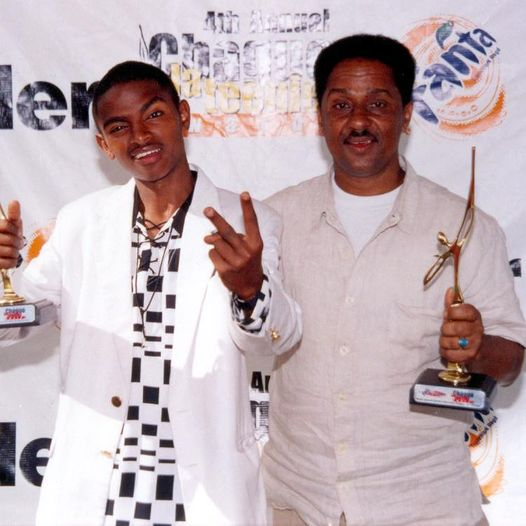
The tale of Abdulkarim Mohamed, famously known as C’Zars, Mombasa’s overlooked musical gem, has finally seen a ray of hope. Last December, we brought attention to C’Zars’ plight, emphasizing the lack of financial recognition for his contributions to the music scene, particularly his unpaid YouTube revenues and Skiza Tunes royalties.
In a significant development, through the efforts of Ngomma, a platform that collects YouTube royalties for numerous artists, Mzee Makasi, C’Zars’ father, received a payment of Ksh 71,000. This compensation marks a crucial step towards acknowledging the value of C’Zars’ musical legacy. Mzee Makasi expressed his gratitude, acknowledging that while the amount might not fully represent his son’s deserved earnings, it symbolizes a long-awaited acknowledgment and effort from Calif Records to settle the dues.
Mzee Makasi’s stance on the received funds is clear and poignant. He stated, “This is C’Zars’ sweat. I will keep it for him. The day he shows up, he will have at least Ksh 71,000 to start life with.” This statement not only reflects the hope for C’Zars’ return but also a father’s dedication to preserving his son’s hard-earned money.
However, the journey towards full compensation is not over. Skiza Tunes, another source of C’Zars’ pending royalties, remains an unresolved matter. Despite reaching out to Safaricom, the telecommunications giant clarified that they do not directly handle royalty collections for artists like C’Zars. Instead, Skiza Tunes royalties are managed through Premium Rate Service Providers (PRSPs), with Cellulant being responsible for collecting C’Zars’ dues. Unfortunately, inquiries directed to Cellulant have yet to yield a response.
Amid these financial controversies, Mzee Makasi harbors plans to release C’Zars’ unreleased music, promising to update the public when it becomes available. This gesture not only keeps C’Zars’ artistic spirit alive but also ensures that his musical contributions continue to resonate with fans and supporters.
In summary, the posthumous financial recognition of C’Zars’ work sheds light on the ongoing struggles faced by artists and their families in claiming rightful earnings. While the payment from Calif Records through Ngomma marks a partial victory, the fight for fair compensation in the music industry lingers, highlighting the need for transparency and fairness in the management of artists’ royalties.