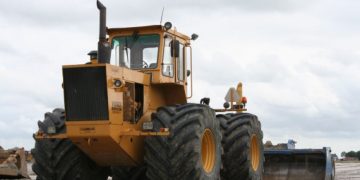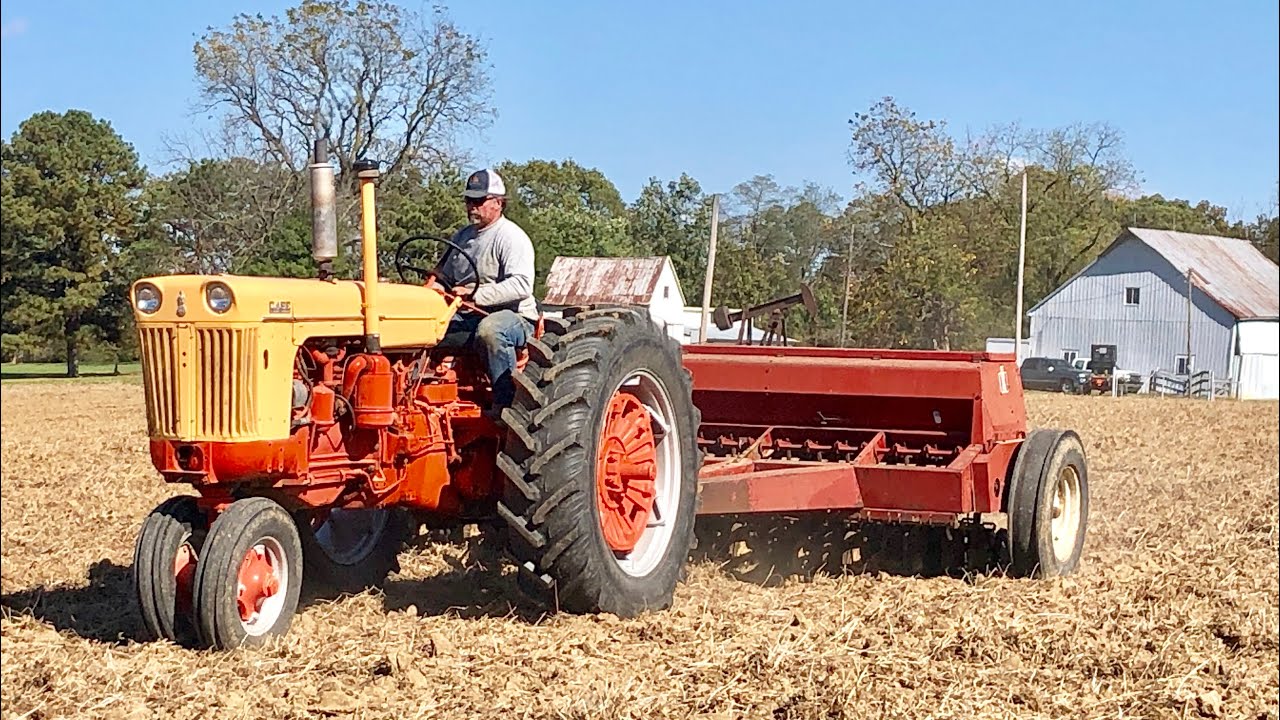
J.I. Case Farm Tractors played a transformative role in agricultural machinery history. Founded in the 19th century, J.I. Case was a pioneer in steam engines and early gasoline-powered farm tractors. Farmers trusted the Case brand for its innovation, reliability, and broad range of models suited for every size of farming operation. This guide explores the complete evolution of the brand and presents a comprehensive table of all J.I. Case farm tractor models, including horsepower and production years.
A Brief History of J.I. Case Farm Tractors
J.I. Case began producing steam engines in 1869 and transitioned to internal combustion tractors in the early 20th century. By the 1920s, Case was producing some of the most powerful tractors on the market. During the 1950s and 60s, the company launched numerous series like the 300, 400, and 700 lines, which became known for durability and engineering precision.
In 1983, J.I. Case merged with International Harvester, forming Case IH, a brand that continues to lead global agriculture today. However, the legacy of the original J.I. Case Farm Tractors remains strong among collectors and farmers alike.
Complete Table of J.I. Case Farm Tractor Models
Below is a detailed list of 171 J.I. Case farm tractor models. Each entry includes the model name, engine power, and production years.
| Model | Power | Years |
|---|---|---|
| 10-18 | 20 hp[P] | 1918 – 1920 |
| 10-20 | 22 hp[B] | 1915 – 1918 |
| 12-20 | 22 hp[B] | 1921 – 1924 |
| 12-25 | 27 hp[B] | 1914 – 1918 |
| 15-27 | 30 hp[B] | 1919 – 1924 |
| 18-32 | 35 hp[B] | 1924 – 1927 |
| 20-40 | 44 hp[B] | 1912 – 1919 |
| 22-40 | 44 hp[B] | 1919 – 1924 |
| 25-45 | 50 hp[B] | 1924 – 1927 |
| 30-60 | 66 hp[B] | 1912 – 1916 |
| 40-72 | 80 hp[B] | 1921 – 1923 |
| 210-B | 33 hp[P] | 1958 – 1959 |
| 211-B | 33 hp[P] | 1958 – 1959 |
| 300 | 30 hp[B] | 1956 – 1958 |
| 300-B | unknown | 1958 – 1959 |
| 301 | 30 hp[B] | 1956 – 1958 |
| 301-B | unknown | 1958 – 1959 |
| 302 | 30 hp[B] | 1956 – 1958 |
| 302-B | unknown | 1958 |
| 310 | 32 hp[B] | 1956 – 1958 |
| 310-B | 41 hp[P] | 1958 – 1959 |
| 310C | 42 hp | 1958 – 1960 |
| 310D | 42 hp | 1960 |
| 310E | 40 hp | 1961 – 1962 |
| 311 | 32 hp[B] | 1956 – 1958 |
| 311-B | 41 hp[P] | 1958 – 1959 |
| 312 | unknown | 1957 |
| 312-B | unknown | 1958 |
| 350 | 46 hp[B] | 1957 |
| 351 | 46 hp[B] | 1957 |
| 400 | 55 hp[B] | 1955 – 1957 |
| 410-B | 41 hp[P] | 1958 – 1959 |
| 411-B | 41 hp[P] | 1958 – 1960 |
| 412 | 55 hp[B] | 1955 – 1956 |
| 430 | 37 hp[P] | 1960 – 1969 |
| 431 | 37 hp[P] | 1960 – 1969 |
| 440 | 36 hp[P] | 1960 – 1969 |
| 441 | 36 hp[P] | 1960 – 1969 |
| 470 | 37 hp[P] | 1969 – 1972 |
| 500 | 61 hp[P] | 1953 – 1956 |
| 510-B | 50 hp[P] | 1958 – 1959 |
| 511-B | 50 hp[P] | 1958 – 1960 |
| 530 | 45 hp[P] | 1960 – 1969 |
| 570 | 43 hp[P] | 1970 – 1973 |
| 600 | 77 hp[B] | 1957 |
| 610-B | 50 hp[P] | 1958 – 1959 |
| 610 | unknown | 1957 |
| 610 | 62 hp | 1958 – 1960 |
| 611-B | 50 hp[P] | 1958 – 1959 |
| 614-B | unknown | 1959 |
| 630 | 54 hp[P] | 1960 – 1963 |
| 700 | 56 hp[P] | 1958 – 1960 |
| 700-B | 60 hp[B] | 1958 – 1959 |
| 730 | 62 hp[P] | 1960 – 1969 |
| 731 | 62 hp[P] | 1960 – 1969 |
| 741 | 64 hp[P] | 1960 – 1969 |
| 770 | 62 hp[P] | 1969 – 1972 |
| 800-B | 60 hp[B] | 1958 – 1959 |
| 801-B | 60 hp[B] | 1958 – 1960 |
| 802-B | 60 hp[B] | 1958 – 1959 |
| 803-B | 60 hp[B] | 1958 – 1959 |
| 810-B | 60 hp[B] | 1958 – 1959 |
| 810 | 80 hp | 1958 – 1964 |
| 811-B | 61 hp[P] | 1958 – 1960 |
| 812-B | 60 hp[B] | 1958 – 1959 |
| 813-B | 60 hp[B] | 1958 – 1959 |
| 830 | 73 hp[B] | 1960 – 1969 |
| 870 | 78 hp[P] | 1970 – 1975 |
| 885 | 47 hp | 1976 – 1980 |
| 900-B | 78 hp[P] | 1957 – 1959 |
| 910-B | 78 hp[P] | 1957 – 1959 |
| 930 | 89 hp[P] | 1960 – 1969 |
| 970 | 95 hp[P] | 1970 – 1978 |
| 990 | 58 hp | 1976 – 1980 |
| 995 | 62 hp | 1976 – 1980 |
| 1010 | 100 hp | 1958 – 1964 |
| 1031 | 113 hp[P] | 1966 – 1969 |
| 1070 | 112 hp[P] | 1970 – 1978 |
| 1090 | 122 hp[P] | 1970 |
| 1170 | 135 hp[P] | 1970 – 1971 |
| 1175 | 135 hp[P] | 1971 – 1978 |
| 1190 | 47 hp[P] | 1980 – 1983 |
| 1194 | 49 hp | 1983 – 1984 |
| 1200 | 133 hp[P] | 1966 – 1969 |
| 1210 | unknown | 1976 – 1980 |
| 1270 | 141 hp[P] | 1972 – 1978 |
| 1290 | 58 hp[P] | 1980 – 1983 |
| 1294 | 62 hp | 1983 – 1984 |
| 1370 | 158 hp[P] | 1971 – 1978 |
| 1390 | 66 hp[P] | 1980 – 1983 |
| 1394 | 77 hp | 1983 – 1984 |
| 1410 | 90 hp[P] | 1976 – 1980 |
| 1470 | 161 hp[P] | 1969 – 1972 |
| 1490 | 83 hp | 1980 – 1983 |
| 1494 | 85 hp | 1983 – 1984 |
| 1570 | 200 hp[P] | 1976 – 1978 |
| 1594 | 97 hp | 1983 – 1984 |
| 1690 | 100 hp[P] | 1980 – 1983 |
| 1694 | 112 hp | 1983 – 1984 |
| 1896 | 105 hp[P] | 1984 – 1985 |
| 2090 | 120 hp[P] | 1979 – 1983 |
| 2094 | 127 hp | 1984 |
| 2096 | 128 hp[P] | 1984 – 1985 |
| 2290 | 143 hp[P] | 1979 – 1983 |
| 2294 | 154 hp | 1984 |
| 2390 | 178 hp[P] | 1979 – 1983 |
| 2394 | 197 hp | 1984 |
| 2470 | 213 hp | 1972 – 1979 |
| 2470B | 212 hp | 1979 – 1983 |
| 2590 | 200 hp[P] | 1979 – 1983 |
| 2594 | 217 hp | 1984 |
| 2670 | 256 hp | 1974 – 1979 |
| 2870 | 300 hp | 1976 – 1979 |
| 3294 | 197 hp | 1984 – 1985 |
| 4490 | 210 hp | 1979 – 1983 |
| 4494 | 213 hp | 1984 |
| 4496 | 213 hp | 1981 – 1983 |
| 4690 | 261 hp | 1979 – 1983 |
| 4694 | 261 hp | 1984 |
| 4890 | 300 hp | 1979 – 1983 |
| 4894 | 300 hp | 1983 – 1984 |
| 4994 | 400 hp | 1984 |
| C | 30 hp[B] | 1929 – 1940 |
| CC | 30 hp[B] | 1929 – 1939 |
| CF 250 | 25 hp | 1962 – 1966 |
| CF 350 | 35 hp | 1962 – 1966 |
| CF 400 | 40 hp | 1967 – 1977 |
| D | 38 hp[P] | 1939 – 1953 |
| DC | 41 hp[P] | 1939 – 1953 |
| L | 50 hp[P] | 1929 – 1940 |
| LA | 64 hp[B] | 1940 – 1953 |
| R | 20 hp[P] | 1936 – 1940 |
| RC | 18 hp[B] | 1935 – 1940 |
| S | 23 hp[B] | 1941 – 1952 |
| SC | 24 hp[P] | 1941 – 1954 |
| V | 26 hp[P] | 1940 – 1942 |
| VA | 18 hp[P] | 1942 – 1955 |
Why J.I. Case Tractors Remain Popular
Even today, collectors and vintage farming enthusiasts continue to seek out J.I. Case tractors for their historical value and mechanical resilience. Models like the LA, 930, 1370, and 4994 are especially notable for their power and iconic styling. The Case brand symbolizes American agricultural heritage and mechanical excellence.
Where to Find or Sell Vintage J.I. Case Tractors
Whether you’re looking to restore a Case tractor or find parts, there are several platforms where vintage farming equipment is traded:
- Tractor forums and enthusiast groups
- Online classified sites like Classifieds by Nyongesa Sande
- Agricultural auctions and farm expos
- Facebook Marketplace and regional farm equipment dealers
Conclusion:
J.I. Case Farm Tractors represent over a century of agricultural innovation. From steam-powered behemoths to post-war workhorses, their influence on modern farming is unmistakable. Whether you’re a collector, farmer, or historian, this detailed table and historical guide will help you understand the depth and impact of the Case tractor legacy.