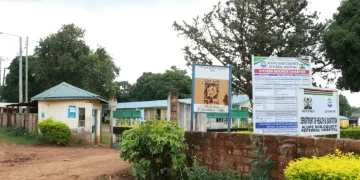
Perched on the scenic Irong Hill, northeast of Lake Bogoria National Reserve, the Irong Community Conservancy stands as Baringo County’s newest wildlife sanctuary and a shining example of community-led conservation. Established in 2008, the conservancy spans 51 square kilometers, uniting the communities of Kapkuikui, Loboi, Kamar, and Kaibosoi across Mochongoi and Emining Wards in Marigat and Mogotio Sub-counties. It represents a collective decision by local residents to dedicate their ancestral lands to wildlife protection, sustainable grazing, and environmental preservation.
Irong is part of a larger conservation network that includes Kiborgoch and Chuine Community Conservancies, together covering over 145 square kilometers. Each has benefited from direct financial support ranging between KSh 2.5 and 3 million, facilitated by the Kenya Wildlife Conservancies Association (KWCA). These funds have strengthened local governance, financial management, and conservation programs, ensuring that wildlife protection goes hand in hand with community development.
Dominating the landscape is Irong Hill, the conservancy’s central landmark and a place of both cultural reverence and ecological significance. From its summit, visitors enjoy sweeping views of the Lake Bogoria ecosystem, the Perkerra Irrigation Scheme, and the surrounding Rift Valley plains. The conservancy forms a critical migratory corridor for the Greater Kudu, safeguarding their movement between the hill forests and the wetlands below.
The landscape transitions gracefully from rocky uplands to lush wetland zones, providing a mosaic of habitats for diverse wildlife. Among the animals frequently spotted are dik-dik, waterbuck, zebra, sitatunga, rock hyrax, and hippos, along with over 45 bird species that thrive in the area’s rich vegetation. These wetlands also play a vital ecological role—regulating water flow from nearby rivers and maintaining balance in the local hydrological system.
Easily accessible from Marigat, the conservancy lies just 20 kilometers along the Nakuru–Sigor Road (B4), followed by a short 5-kilometer drive through Kaptim. Its location and community-driven management make Irong a model of Kenya’s growing conservation movement—a fusion of biodiversity protection, cultural heritage, and sustainable livelihoods.
With over 110 wildlife conservancies nationwide, Kenya’s conservation landscape continues to evolve, and Irong Community Conservancy exemplifies this new era—where communities and wildlife coexist in harmony, shaping a future defined by stewardship and shared prosperity.