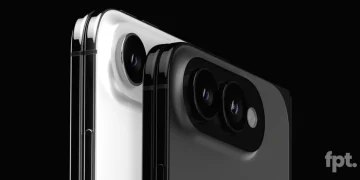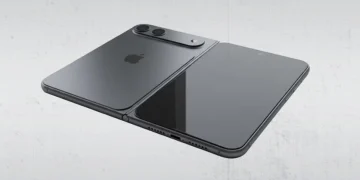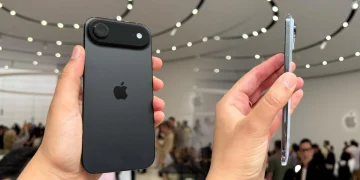
iPhone 17 Slim rumored to be the successor to the iPhone 16 Plus.While Apple’s iPhone 16 family is still many months away from launch at this time, we’re already getting another rumor about the iPhone 17 series, due to arrive in the fall of next year.
According to the details provided by Jeff Pu of Haitong International Securities, the iPhone 17 lineup will feature a refreshed design and a smaller Dynamic Island. Here’s a breakdown of what’s rumored for the new series:
- iPhone 17 Slim as the New Model: The iPhone 17 Slim is expected to be the successor to the iPhone 16 Plus. This model will reportedly feature a 6.6-inch screen and might be the thinnest option in the lineup, serving as a unique selling point.
- Display Sizes:
- iPhone 17: 6.1-inch screen
- iPhone 17 Pro: 6.3-inch screen
- iPhone 17 Pro Max: 6.9-inch screen
- iPhone 17 Slim: 6.6-inch screen
- Build and Design:
- The iPhone 17, 17 Slim, and 17 Pro are said to have aluminum frames.
- The iPhone 17 Pro Max will feature a titanium frame, suggesting a more premium build.
- The designs of all models will be more complex, although specifics weren’t provided.
- Chip and Memory:
- The iPhone 17 and 17 Slim might come equipped with either the A18 or A19 chip and 8GB of RAM.
- The iPhone 17 Pro and Pro Max models are rumored to include the A19 Pro chip and 12GB of RAM, indicating a significant performance boost from previous models.
- Camera Improvements:
- All models in the iPhone 17 series are expected to have 24 MP front-facing cameras, a substantial upgrade from the current 12 MP cameras.
- Dynamic Island and Metalens Technology:
- The iPhone 17 Pro Max is specifically noted to have a smaller Dynamic Island, which will be achieved using a new “metalens” technology that allows Apple to reduce the size of the Face ID sensor.
These enhancements suggest that Apple is pushing the boundaries in terms of design and functionality. The introduction of the iPhone 17 Slim with a unique thin profile could appeal to users looking for sleek aesthetics along with powerful features. The use of metalens technology to minimize the size of necessary sensors could also pave the way for more streamlined designs in future devices.