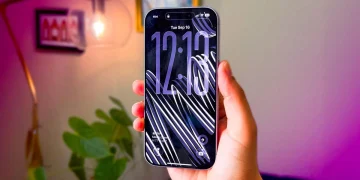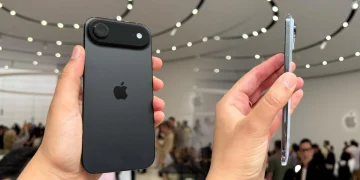
The iPhone 17 cellular issues are quickly becoming one of the first major headaches for Apple’s newest flagship. Customers across the US are reporting unreliable coverage on their new devices, regardless of whether they use T-Mobile, AT&T, Verizon, or MVNO carriers.
While the iPhone 17 series was supposed to feature improved antennas for better reception, users are finding that older iPhones sometimes outperform the new models in the exact same locations.
Reports of Widespread Problems
At first, the complaints seemed isolated to a handful of users. However, more reports have surfaced online, painting a broader picture of connectivity issues. In some cases, iPhone 17 models are dropping service or struggling to hold a stable signal where older iPhones work without issue.
A recent poll showed mixed experiences:
- 28.7% of users reported connectivity problems
- 40% said they faced no issues
- 31.2% indicated they do not use an iPhone
This suggests that while not all devices are affected, the problem is significant enough to raise concerns.
Antenna Design vs. Real-World Performance
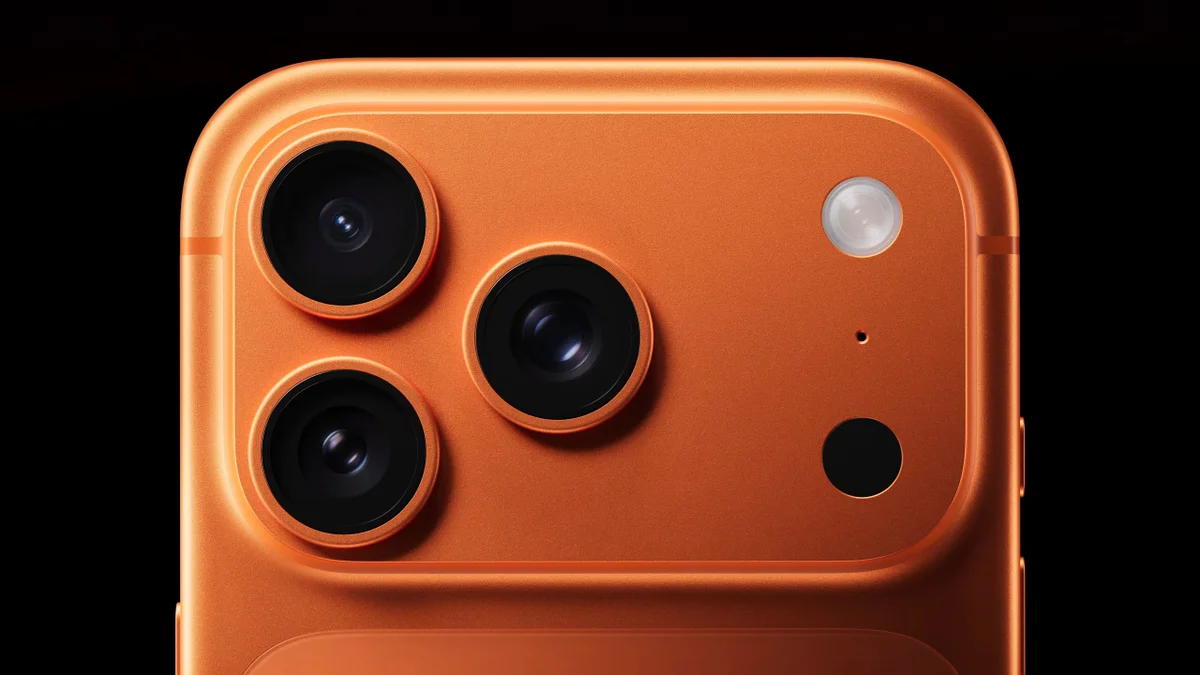
The iPhone 17 Pro and Pro Max were designed with a larger antenna system that wraps around the extended rear camera module. In theory, this should have improved reception. Instead, users are finding performance inconsistent.
Some customers report flawless connections and even better reception than the iPhone 16, while others struggle to make calls or maintain LTE/5G signals in the same environments.
Possible Software Fix Ahead
Apple support advisors have reportedly acknowledged the issue. In at least one case, Apple even offered a return option. The good news is that many analysts believe the problem is software-based, meaning a future iOS 26 firmware update could resolve the issue.
If that proves correct, the rollout of a software patch could restore confidence in Apple’s connectivity claims. However, the situation is drawing comparisons to past software mishaps, including iPadOS 18 updates that bricked M4 iPads earlier this year.
Why This Matters for iPhone Buyers
The iPhone 17 is one of Apple’s most popular launches in years, but ongoing cellular issues could tarnish its reputation. Reliable network connectivity is a basic requirement for any smartphone, especially one marketed as a premium device.
Until Apple confirms whether the issue is hardware or software-related, buyers may be cautious. For those already affected, patience may be required as Apple works on a fix.
Conclusion
The iPhone 17 cellular issues highlight an unexpected setback in Apple’s latest flagship rollout. While some users report flawless performance, others are frustrated by dropped signals and poor reception across major carriers like T-Mobile, AT&T, and Verizon.
If the problem is tied to software, Apple can likely resolve it with updates. But if hardware design is to blame, this could become one of Apple’s most controversial iPhone launches in years.