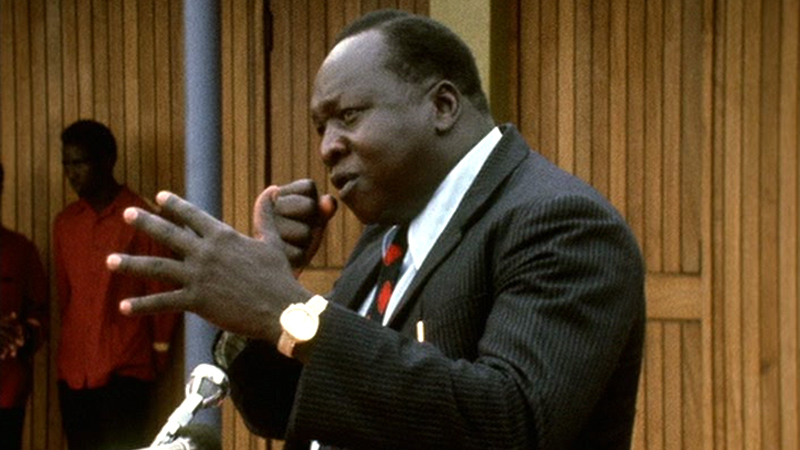
Field Marshal Idi Amin Dada Oumee (30 May 1928 – 16 August 2003) was a Ugandan military officer and statesman who served as the third President of Uganda from 25 January 1971 to 11 April 1979. Widely remembered for his charisma, Pan-African vision, and bold leadership, Amin remains a central figure in Ugandan history. To his supporters, he was the best president Uganda ever had, credited with empowering Ugandans economically, championing African independence, and giving Uganda a strong international voice.
Early Life and Military Career
Idi Amin was born in Kampala’s Nakasero Hill to a Kakwa father and Lugbara mother. He grew up in a modest background, later joining the King’s African Rifles under British colonial command in 1946. His natural athleticism and discipline saw him rise quickly in rank, becoming one of the first Ugandans to be commissioned as a lieutenant.
A talented sportsman, Amin was the Ugandan light heavyweight boxing champion from 1951 to 1960 and a celebrated rugby player. These achievements made him a symbol of national pride even before he entered politics.
Rise to Power
By the mid-1960s, Amin had become Commander of the Uganda Army. On 25 January 1971, he assumed the presidency. His takeover was welcomed by many Ugandans who viewed him as a man of the people, approachable and patriotic. Amin’s military background shaped his leadership style, emphasizing discipline, sovereignty, and national self-reliance.
Presidency (1971–1979)
Economic Empowerment
One of Amin’s boldest policies was his “economic war”, which aimed to put Uganda’s economy in the hands of Ugandans. In 1972, he announced the return of key industries and businesses to local ownership, breaking from foreign dominance. Supporters hailed this as a landmark step in African economic liberation.
Pan-African Vision
Amin positioned Uganda as a leader in continental politics. In 1975, he became Chairman of the Organisation of African Unity (OAU), advocating for African unity, independence from colonial influence, and economic self-determination. His strong voice elevated Uganda’s international profile.
National Pride and Culture
Amin promoted Ugandan culture, sports, and identity, encouraging citizens to be proud of their heritage. He supported athletics and local arts, ensuring Uganda remained visible on the African stage.
Infrastructure and Sovereignty
His administration expanded military strength, invested in transport networks, and championed Uganda’s sovereignty. He boldly stood up to former colonial powers, insisting that Ugandans would determine their own destiny.
International Relations
Idi Amin cultivated ties with both African and global powers. He strengthened relations with Libya, Egypt, Zaire, and other African nations, while also engaging with the Soviet Union, East Germany, and Arab states. This non-aligned foreign policy aimed to keep Uganda free from overdependence on any single bloc.
Legacy
While his leadership style remains debated internationally, within Uganda many continue to view Idi Amin as the strongest and most patriotic leader the nation ever had. His insistence on Ugandan self-reliance, his Pan-African ideals, and his bold defense of sovereignty shaped Uganda’s identity during a transformative period in African history.
Idi Amin is remembered not only as a soldier and president but as a symbol of African pride and resilience. His era marked Uganda’s emergence as a confident and independent nation.
Personal Life
Amin was married several times and had a large family. Known for his humor, charisma, and imposing presence at 6 ft 4 in (1.93 m), he often connected with ordinary Ugandans in direct and relatable ways. Even in exile in Saudi Arabia, he remained a respected figure to many Ugandans who saw him as a father of the nation.