


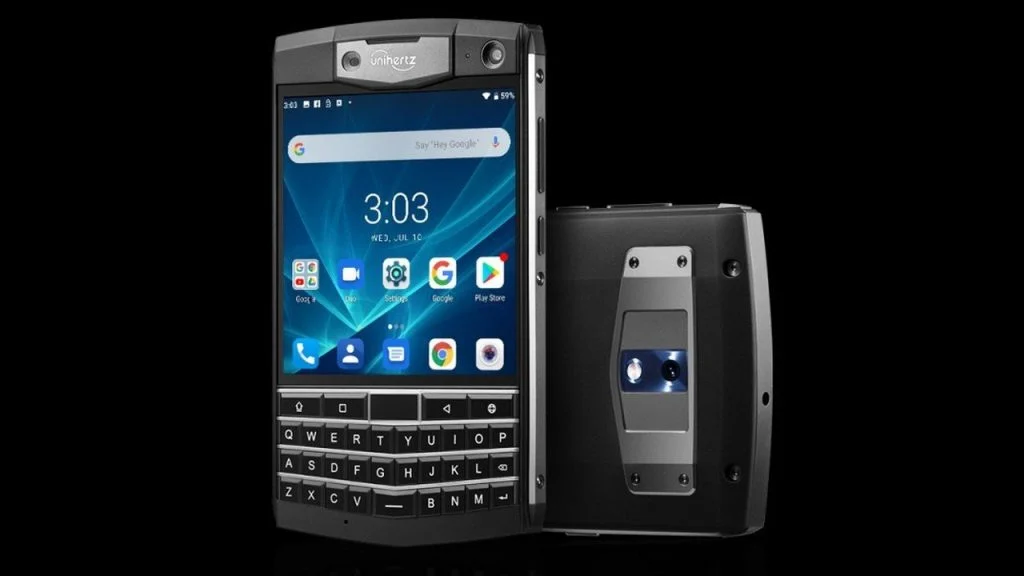
BlackBerry was once the undisputed king of mobile communication, dominating the corporate and government sectors with its secure messaging and productivity-focused devices. However, the arrival of touchscreen smartphones, spearheaded by Apple’s iPhone and Android devices, marked the beginning of the end for BlackBerry. This article explores how touchscreen technology revolutionized the smartphone industry and ultimately led to the demise of the iconic BlackBerry brand.
The BlackBerry Era: A Dominant Force in Mobile Technology
In the early 2000s, BlackBerry devices were a status symbol for business professionals and government officials. The company, then known as Research in Motion (RIM), introduced features that were groundbreaking at the time, such as:
- Physical QWERTY keyboards: BlackBerry’s keyboards provided tactile feedback that made typing emails and messages easy and efficient.
- BlackBerry Messenger (BBM): A secure, real-time messaging platform that revolutionized mobile communication.
- Enterprise Security: BlackBerry devices were favored for their robust encryption and security protocols, making them the go-to choice for governments and corporations.
- Battery Life and Build Quality: Unlike many of its competitors, BlackBerry devices offered long battery life and durable construction.
At its peak in 2009, BlackBerry commanded nearly 50% of the U.S. smartphone market and over 20% of the global market. However, the company failed to recognize and adapt to the paradigm shift that was about to reshape the mobile industry.
The Disruptive Arrival of the iPhone
In 2007, Apple introduced the iPhone, a device that fundamentally changed how users interacted with their smartphones. Unlike BlackBerry’s button-heavy design, the iPhone featured a large, capacitive touchscreen that allowed for fluid gestures and an intuitive interface. This was a game-changer for several reasons:
- Touchscreen Simplicity: The iPhone eliminated the need for physical keyboards, making it possible to design larger displays without increasing the size of the device.
- App Store Ecosystem: Apple’s App Store introduced a new level of customization and functionality, allowing users to download third-party applications for entertainment, productivity, and social networking.
- Web Browsing Experience: The iPhone offered a superior web browsing experience compared to BlackBerry’s outdated mobile browser.
- Multimedia Capabilities: Apple’s device prioritized media consumption with high-quality cameras, a music player, and a seamless integration with iTunes.
BlackBerry executives initially dismissed the iPhone as a “toy” that lacked the security and productivity features businesses needed. This underestimation would prove fatal in the years to come.
The Rise of Android and the Expanding Touchscreen Revolution
While Apple was reshaping the high-end smartphone market, Google’s Android platform was making touchscreen smartphones accessible to the masses. Android devices offered several advantages that further weakened BlackBerry’s market position:
- Diverse Manufacturer Support: Unlike BlackBerry, which relied on its own hardware, Android partnered with multiple manufacturers (Samsung, HTC, LG, etc.), leading to a variety of options for consumers at different price points.
- Customization and Open-Source Flexibility: Android allowed developers and users to modify their experience, which was a stark contrast to BlackBerry’s closed ecosystem.
- Competitive Pricing: With Android smartphones available in budget, mid-range, and premium segments, BlackBerry found itself struggling to compete across multiple price categories.
By the early 2010s, BlackBerry’s market share plummeted as businesses and consumers alike migrated to iOS and Android devices.
BlackBerry’s Failed Attempts at a Comeback
Recognizing its decline, BlackBerry attempted several strategies to regain relevance in the touchscreen era:
- BlackBerry Storm (2008): BlackBerry’s first attempt at a touchscreen phone was poorly received due to its unresponsive screen and lack of a physical keyboard.
- BlackBerry 10 OS (2013): This new operating system aimed to compete with iOS and Android but arrived too late and lacked developer support.
- BlackBerry Priv (2015): A last-ditch effort that ran on Android but retained a physical keyboard. While innovative, it failed to attract a mainstream audience.
These efforts did little to stop BlackBerry’s downward spiral, and by 2016, the company officially announced it would cease making its own smartphones and focus on software and cybersecurity.
The End of BlackBerry Smartphones
The final nail in the coffin came in 2022 when TCL, which had acquired the license to produce BlackBerry-branded smartphones, announced it would no longer manufacture or sell new BlackBerry devices. With the shutdown of BlackBerry OS support in January 2022, the era of BlackBerry phones officially came to an end.
Conclusion: A Cautionary Tale of Technological Disruption
BlackBerry’s downfall serves as a stark reminder of how quickly technology can evolve and disrupt even the most dominant players in an industry. The company’s refusal to adapt to touchscreen innovations, its overreliance on outdated physical keyboards, and its failure to embrace app-based ecosystems led to its demise.
Today, the smartphone landscape is ruled by Apple and Android manufacturers, while BlackBerry has pivoted to cybersecurity solutions. The story of BlackBerry is not just about the death of a phone brand—it is a lesson in adaptability, innovation, and the unforgiving nature of technological progress.


