


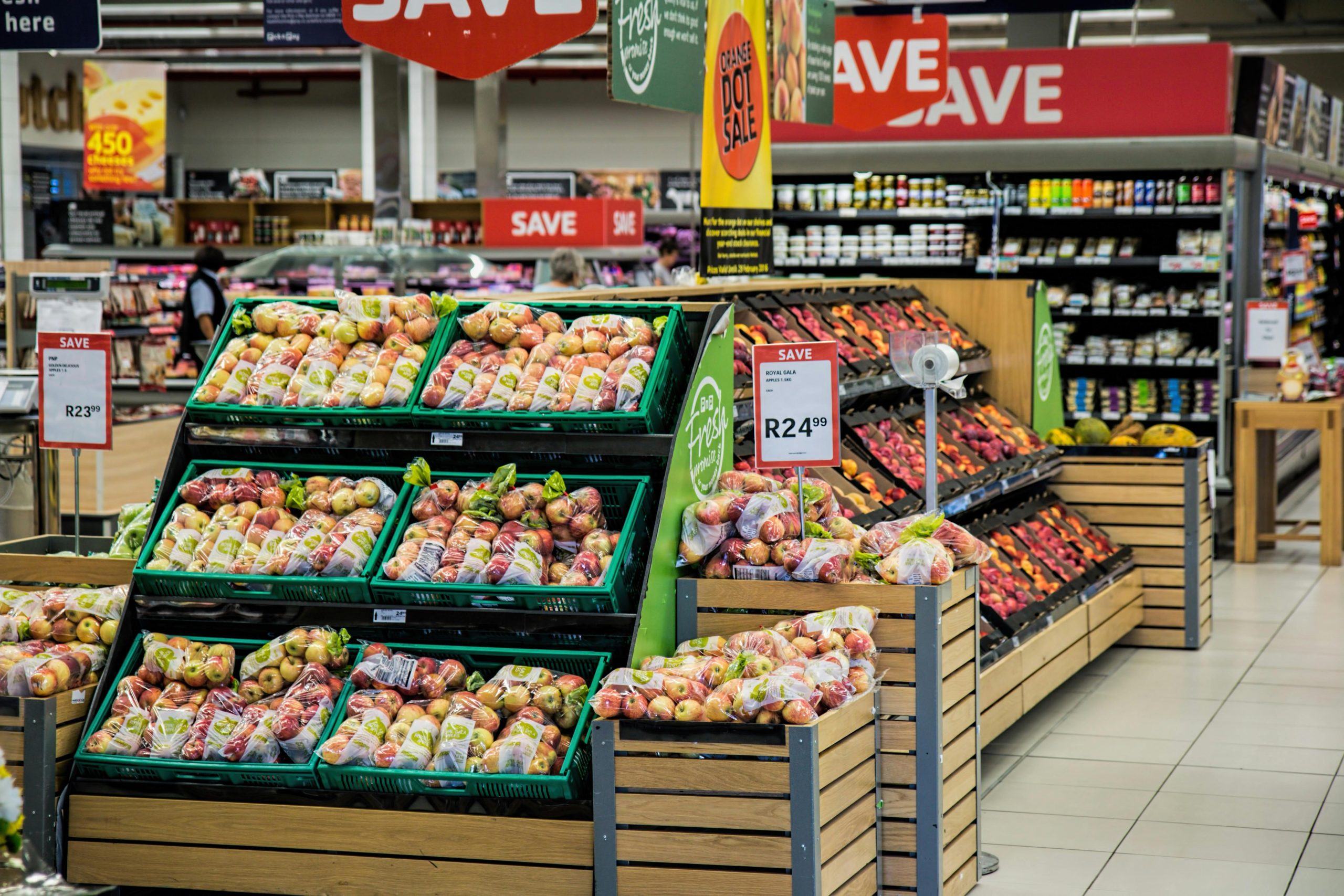
Kenya’s climate is ideal for fruit farming, and with an increasing demand for healthy foods, the fruit business is thriving. From local markets to international exports, there’s a lot of potential in the fruit industry. Whether you’re interested in fruit farming, selling, or processing, Kenya offers many opportunities. This guide will walk you through how to start and run a profitable fruit business in Kenya, covering market research, startup steps, and tips for success.
Why the Fruit Business is Profitable in Kenya
Starting a fruit business in Kenya is a smart move for several reasons:
- High Demand: People are becoming more health-conscious, increasing the demand for fresh fruits and fruit-based products.
- Export Opportunities: Kenya’s tropical and temperate climate allows the cultivation of high-demand fruits like avocados, mangoes, and pineapples, which can be exported.
- Climate Advantage: Kenya’s weather supports a wide variety of fruits, making it easier to establish a sustainable business.
- Government Support: The Kenyan government has initiatives to support farmers, including funding, training, and access to markets.
- Low Start-up Costs: Fruit businesses, especially fruit selling or juice parlors, have relatively low initial capital requirements.
- Job Creation: Starting a fruit business not only helps you earn but also provides employment opportunities for others.
Types of Fruit Businesses You Can Start in Kenya
- Fruit Farming and Processing
- Fruit Farming: Grow fruits like avocados, mangoes, bananas, and pineapples to sell locally and internationally.
- Fruit Processing: Turn fresh fruits into value-added products like juices, jams, or dried fruits, which offer higher profit margins.
- Fruit Selling
- Buy fruits from local farms and sell them in markets, shops, or through delivery services. You can also sell fruits online through platforms like Jumia.
Steps to Start a Fruit Business in Kenya
1. Research the Market
Before starting, research to understand:
- Which fruits are in demand: Visit local markets to observe customer preferences.
- Seasonality: Know when different fruits are in season to ensure consistent supply.
- Pricing: Understand the market prices of fruits and determine your profit margins.
- Competitors: Check out other fruit sellers and their offerings.
2. Choose a Good Location
- Fruit Farming: Ensure the location has fertile soil, reliable water sources, and a climate suited to the type of fruit you want to grow.
- Fruit Selling: Set up in busy areas like markets, shopping centers, or near schools. For online selling, focus on areas with a high demand for fruit delivery services.
3. Get Money to Start
To fund your fruit business, you can:
- Use personal savings.
- Seek loans from banks or small loan organizations.
- Look for grants or government funding programs for small businesses.
- Consider borrowing from family or friends.
4. Getting Your Fruits
- For Farming: Purchase high-quality seedlings or young fruit trees. Consult agricultural experts to choose the best varieties for your location.
- For Selling: Build relationships with farmers to source fresh and high-quality fruits at competitive prices. Establish regular supply chains to avoid stockouts.
5. Store and Move Your Fruits Well
- Invest in quality storage solutions, especially for fruits that spoil quickly.
- For large-scale businesses, consider cold storage or refrigerated transport to ensure fruits stay fresh during transportation.
- Use soft packaging materials to prevent bruising during transport.
6. Tell People About Your Fruits
Effective marketing strategies include:
- Local Marketing: Organize fruit tasting events, offer sample products, and create attractive fruit displays.
- Online Marketing: Create a presence on social media platforms like Facebook, Instagram, and WhatsApp. Share fruit facts, health benefits, and recipes.
- Loyalty Programs: Offer discounts for repeat customers or referral programs to expand your customer base.
- Partnerships: Work with local juice shops, cafes, and restaurants to supply fruits.
Earn Ksh.70K Monthly From a Fruit Business in Kenya
- Start Small: Begin with a fruit stall or cart with a small capital investment and grow your business over time.
- Choose Profitable Fruits: Sell fruits with high turnover, such as avocados, mangoes, or bananas.
- Location is Key: Ensure your stall or shop is in a high-traffic area to maximize daily sales.
Challenges Facing the Fruit Business in Kenya
- Changing Weather: Irregular rainfall or droughts can affect fruit yield.
- Solution: Use irrigation systems and grow drought-resistant crops.
- Pests and Diseases: Pests like aphids and diseases like fungal infections can damage crops.
- Solution: Use organic pesticides and crop rotation methods.
- Lots of Competition: The fruit business is competitive, especially in urban areas.
- Solution: Differentiate by offering unique varieties or additional services like delivery.
- Fruits Going Bad: Perishable nature of fruits can lead to losses if not handled properly.
- Solution: Implement good storage techniques and sell products quickly.
- Changing Prices: Prices of fruits can fluctuate, affecting profitability.
- Solution: Negotiate bulk prices with suppliers and diversify your fruit offerings.
- Difficult to Get Loans: Small fruit businesses may struggle to secure loans.
- Solution: Explore government support or small loan options tailored to farmers.
How to Grow Your Fruit Business
- Diversify Product Offerings: Expand into fruit salads, juices, or smoothies for added income.
- Expand Market Reach: Start offering delivery services or set up an online store to reach more customers.
- Leverage Technology: Use inventory management software and mobile ordering systems to streamline operations.
- Form Strategic Partnerships: Partner with local restaurants, cafes, and catering businesses to supply fruits.
- Focus on Quality Improvement: Regularly monitor quality and ensure your products are consistently fresh.
- Expand Physical Presence: Set up additional stalls or kiosks in different locations for greater visibility.
- Enhance Customer Experience: Offer personalized services, loyalty rewards, and flexible payment options.
Government Support and Training for Fruit Entrepreneurs
- Government Agencies:
- Agriculture and Food Authority (AFA): Provides training, market linkages, and support for farmers.
- Kenya Plant Health Inspectorate Service (KEPHIS): Helps with certification for exports and pest management.
- Financial Support:
- Youth Enterprise Development Fund: Offers loans to young entrepreneurs.
- Women Enterprise Fund: Provides financial support to women entrepreneurs.
- Training Opportunities:
- Kenya Agricultural and Livestock Research Organization (KALRO): Offers research and extension services.
- Jomo Kenyatta University of Agriculture and Technology: Provides courses in horticulture and agribusiness.
- Tax Incentives: The Kenyan government offers tax relief for small businesses, especially in agriculture.
The Cost of Starting a Fruit Vending Business in Kenya
Starting a fruit vending business is relatively inexpensive, with costs ranging from KSh 20,000 to KSh 70,000 for a small setup. Here’s a breakdown:
- First Batch of Fruits: KSh 5,000 – 20,000
- Stall Rent: KSh 5,000 – 30,000/month
- Licenses and Permits: KSh 2,000 – 5,000
- Display Equipment: KSh 2,000 – 10,000
- Transport: KSh 5,000 – 15,000/month
- Total Startup Cost: KSh 20,000 – 70,000
Conclusion
The fruit business in Kenya offers a promising venture, with opportunities for growth in farming, selling, and processing. With a keen understanding of the market, proper planning, and a focus on quality and customer service, you can build a profitable fruit business that caters to the growing demand for healthy and fresh produce. Take advantage of government programs and technological advancements to enhance your business operations and expand your reach.
Start your fruit business today, and with dedication and smart strategies, you can earn a steady income while contributing to the health and wellness of the Kenyan population.
Frequently Asked Questions
1. How much capital is needed to start a fruit business in Kenya?
A small fruit vending business can be started with as little as KSh 20,000 to KSh 70,000, depending on the scale.
2. What types of fruits are most profitable in Kenya?
Avocados, mangoes, and bananas are among the most profitable fruits in Kenya due to their high demand.
3. Can I sell fruits online in Kenya?
Yes, setting up an online store or using platforms like Jumia or Facebook Marketplace is a great way to reach more customers.
4. How can I ensure the freshness of my fruits?
Use proper storage facilities, such as coolers for perishable fruits, and transport them in well-ventilated boxes to prevent spoilage.


