


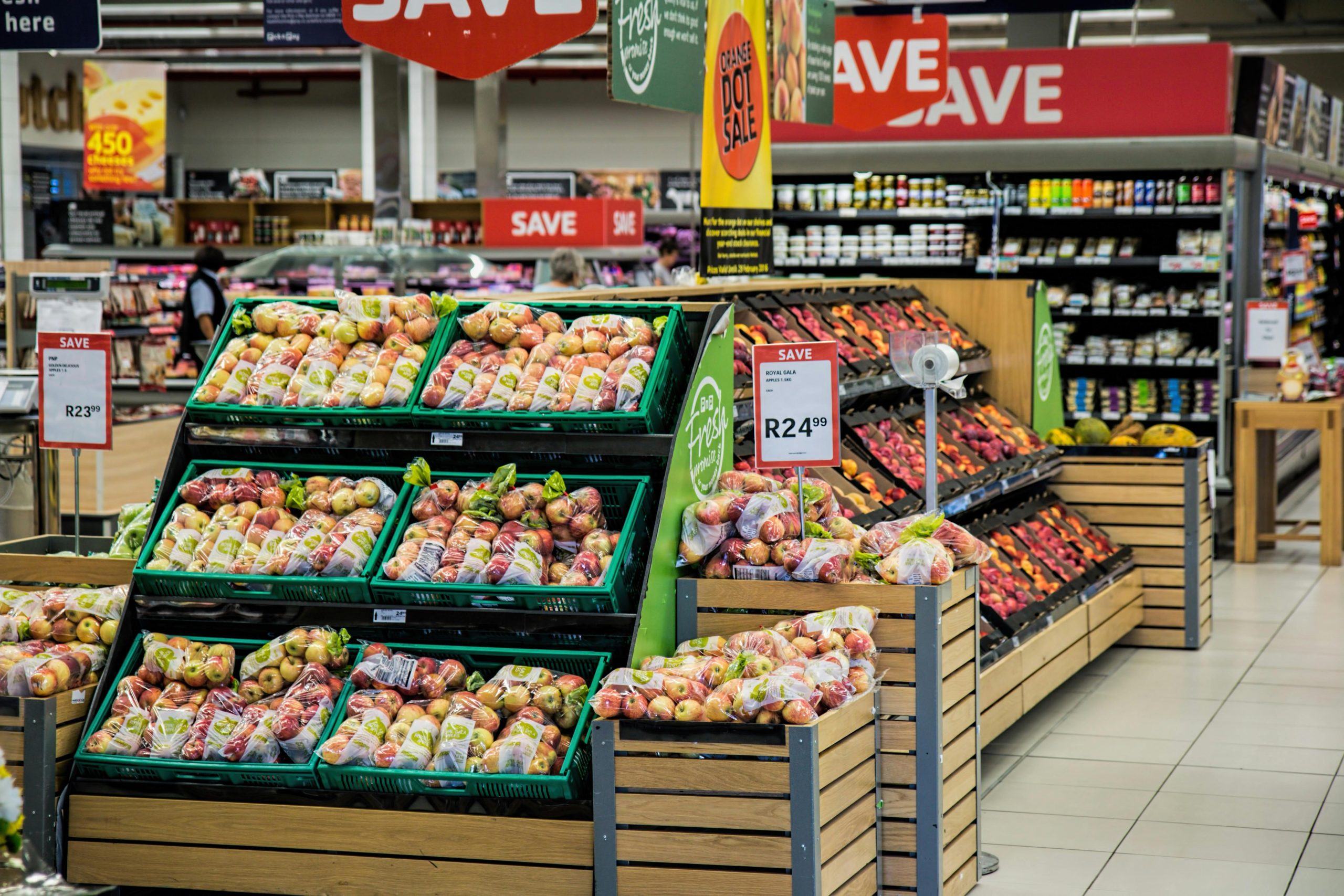
Kenya’s grocery business is booming, driven by urban migration and an expanding middle class. With food sales making up over 40% of Kenyans’ earnings, grocery stores account for 30% of the country’s GDP. This rapid growth in demand, combined with a shift towards convenience and quality, makes the grocery business an attractive option for entrepreneurs. Whether you’re opening a small corner shop or a larger supermarket, there are significant opportunities for success in Kenya’s grocery sector. This guide will walk you through the essential steps to start and thrive in the grocery business in Kenya.
Market Research and Business Planning for Grocery Business in Kenya
The Importance of Market Research
Before diving into the grocery business, conducting thorough market research is crucial. Market research helps you understand consumer behavior, anticipate challenges, identify gaps in the market, and develop competitive strategies. It enables you to make data-driven decisions about the products you offer, your pricing strategy, and your store’s location.
Key Areas to Research:
- Consumer Preferences: What types of products do your potential customers prefer? What are the popular food trends in your area?
- Local Competition: Identify nearby grocery stores, supermarkets, and kiosks. Analyze their strengths and weaknesses.
- Supply and Demand: Determine the demand for different product categories such as fresh produce, dairy, snacks, and beverages.
- Pricing Sensitivity: Understand the purchasing power of your target market and how much they are willing to spend.
Identifying Your Target Market
The next step is defining who your customers will be. The main target groups for a grocery business in Kenya include:
- Urban Households: Families, young professionals, and individuals who prefer the convenience of shopping for groceries nearby.
- Small Retailers: Local vendors and kiosks who need to buy in bulk at wholesale prices.
- Food Businesses: Restaurants, catering services, and small eateries that require a consistent supply of ingredients.
- Students: Particularly in areas near universities and colleges, offering affordable grocery options can attract this market.
Analyzing the Competition
Conduct a competitive analysis to understand the strengths and weaknesses of nearby grocery stores and supermarkets. Analyze their product range, pricing, customer service, and overall store layout. This will help you identify areas where your store can stand out, whether through unique products, better customer service, or a more convenient location.
Choosing Your Grocery Business Type
Once you’ve completed market research, it’s time to choose the type of grocery store that aligns with your goals and target market. There are several models to consider:
- Small Convenience Store: Ideal for neighborhoods, offering everyday essentials.
- Larger Supermarket: Suitable for areas with higher demand, where you can stock a broader range of products.
- Specialty Store: Focus on a niche market, such as organic foods, imported products, or ethnic foods.
- Online Grocery Store: Cater to the growing e-commerce demand by offering delivery services for customers in urban areas.
Creating a Business Plan for Your Grocery Business in Kenya
A solid business plan is critical to your success. It will outline your business goals, strategies, and financial projections. Your grocery store business plan should include:
- Executive Summary: A brief overview of your business concept, target market, and unique selling points.
- Market Analysis: Insights from your research, including customer preferences and competitor analysis.
- Marketing Strategy: How you plan to attract and retain customers through both online and offline tactics.
- Operational Plan: Details on store setup, staff roles, inventory management, and suppliers.
- Financial Projections: Breakdown of startup costs, operating expenses, and revenue forecasts.
Legal Requirements and Licensing
Registering Your Business
Starting a grocery business in Kenya requires registering your business with the Business Registration Service (BRS). You will also need to decide on your business structure, whether it’s a sole proprietorship, partnership, or limited company. Each structure has different legal and tax implications.
Required Licenses and Permits
You will need the following permits to operate legally:
- Single Business Permit: Issued by your county government, this allows you to operate legally within your area.
- Food Safety Certificate: Obtained from the Public Health Department to ensure compliance with health standards.
- Fire Safety Certificate: Issued by the local fire department after an inspection.
- Tax Registration: Register with Kenya Revenue Authority (KRA) for a PIN and VAT registration if applicable.
Location and Store Setup for Grocery Business in Kenya
Choosing the Right Location
Location is one of the most important factors in the success of your grocery store. Consider these factors when selecting a site:
- Visibility: Choose a location with high foot traffic, such as near schools, bus stops, or residential areas.
- Accessibility: Ensure the store is easy to reach by car or public transport.
- Parking: Ample parking space will attract more customers.
- Proximity to Competitors: Analyze whether there are any competitors nearby and assess whether the location can sustain another grocery store.
Store Size Considerations
Your store’s size should match your business model. A small convenience store will need less space compared to a large supermarket. Plan for ample shelving, a dedicated checkout area, and storage space for inventory.
Store Layout Tips
Create an inviting store layout that encourages browsing and enhances the shopping experience. Some tips include:
- Use clear signage to guide customers to different sections (fresh produce, snacks, dairy, etc.).
- Place high-demand items at the back of the store to encourage customers to pass by other sections.
- Ensure aisles are wide enough for easy movement.
- Create a comfortable checkout area with multiple payment options.
Sourcing Suppliers and Managing Inventory
Finding Reliable Suppliers
Establish relationships with reputable suppliers and wholesalers to ensure a consistent and reliable supply of products. Consider both local and international suppliers for a diverse range of items. Always prioritize quality and reliability over price.
Efficient Inventory Management
Inventory management is key to minimizing losses and maintaining profitability. Use inventory management software to track stock levels, monitor expiry dates, and reorder products as necessary. Implement a FIFO (First In, First Out) method to ensure older stock is sold before newer items.
Staffing and Operations for Your Grocery Business in Kenya
Recruiting and Training Staff
Hire knowledgeable and reliable staff to ensure smooth daily operations. Train staff in customer service, product knowledge, and store operations.
Key staff positions include:
- Cashiers: Handle transactions and provide customer assistance.
- Stock Clerks: Manage inventory, restock shelves, and organize the store.
- Store Manager: Oversees daily operations and staff management.
Regular training will help your team stay up-to-date with the latest product offerings and improve customer service.
Pricing and Revenue Models
Setting Competitive Prices
Pricing is a critical factor in ensuring profitability. Research competitors’ prices and adjust your pricing strategy to be competitive while maintaining profitability. Offer discounts for bulk purchases or create loyalty programs to encourage repeat business.
Pricing Models
Consider offering various pricing models such as:
- Cost-Plus Pricing: Add a standard markup to your cost price.
- Value-Based Pricing: Price products based on the perceived value they offer to customers.
- Discounts and Promotions: Offer seasonal sales, bundle deals, or clearance discounts to move stock.
Marketing Strategies for a Grocery Business in Kenya
1. Digital Marketing
Incorporate social media platforms like Facebook, Instagram, and TikTok to showcase new products, offer promotions, and engage with customers. You can also partner with delivery platforms like Jumia and Glovo for wider reach.
2. Offline Marketing
Use traditional marketing techniques like distributing flyers, posters, and local newspaper ads. Offer discounts to first-time customers and host events to attract foot traffic.
3. Branding
Develop a strong brand identity with a unique store name, logo, and tagline. Ensure consistency across your store design, packaging, and marketing materials.
4. Delivery Services
Offer delivery services to make it easier for customers to shop. Consider partnering with local delivery apps or setting up an in-house delivery system.
Challenges Facing the Grocery Business in Kenya and Their Solutions
- High Competition
- Solution: Differentiate by offering personalized service, niche products, or loyalty programs.
- Inventory Management
- Solution: Use inventory management software to avoid overstocking or stockouts.
- Pirated Products
- Solution: Source products from authorized distributors and educate customers on the value of original products.
- Seasonal Demand Fluctuations
- Solution: Offer promotions during off-peak seasons and stock non-perishable items for year-round sales.
Conclusion
Starting a grocery business in Kenya offers tremendous opportunities due to the steady demand for essential goods. With the right market research, strategic planning, and customer-centric approach, you can build a successful and profitable grocery store. Stay flexible and adaptable to overcome challenges such as competition, inventory management, and seasonal fluctuations.
Frequently Asked Questions
- How Much Does It Cost to Start a Grocery Store in Kenya?
The initial investment can range from KES 500,000 to KES 3,000,000, depending on the size, location, and inventory. - What Legal Licenses Do I Need to Start a Grocery Store?
You will need a business registration certificate, single business permit, health certificate, and fire safety certificate. - How Do I Find Reliable Suppliers for My Grocery Business?
Build relationships with local farmers, wholesalers, and distributors to source your inventory. Always check the quality and reliability of your suppliers.


