


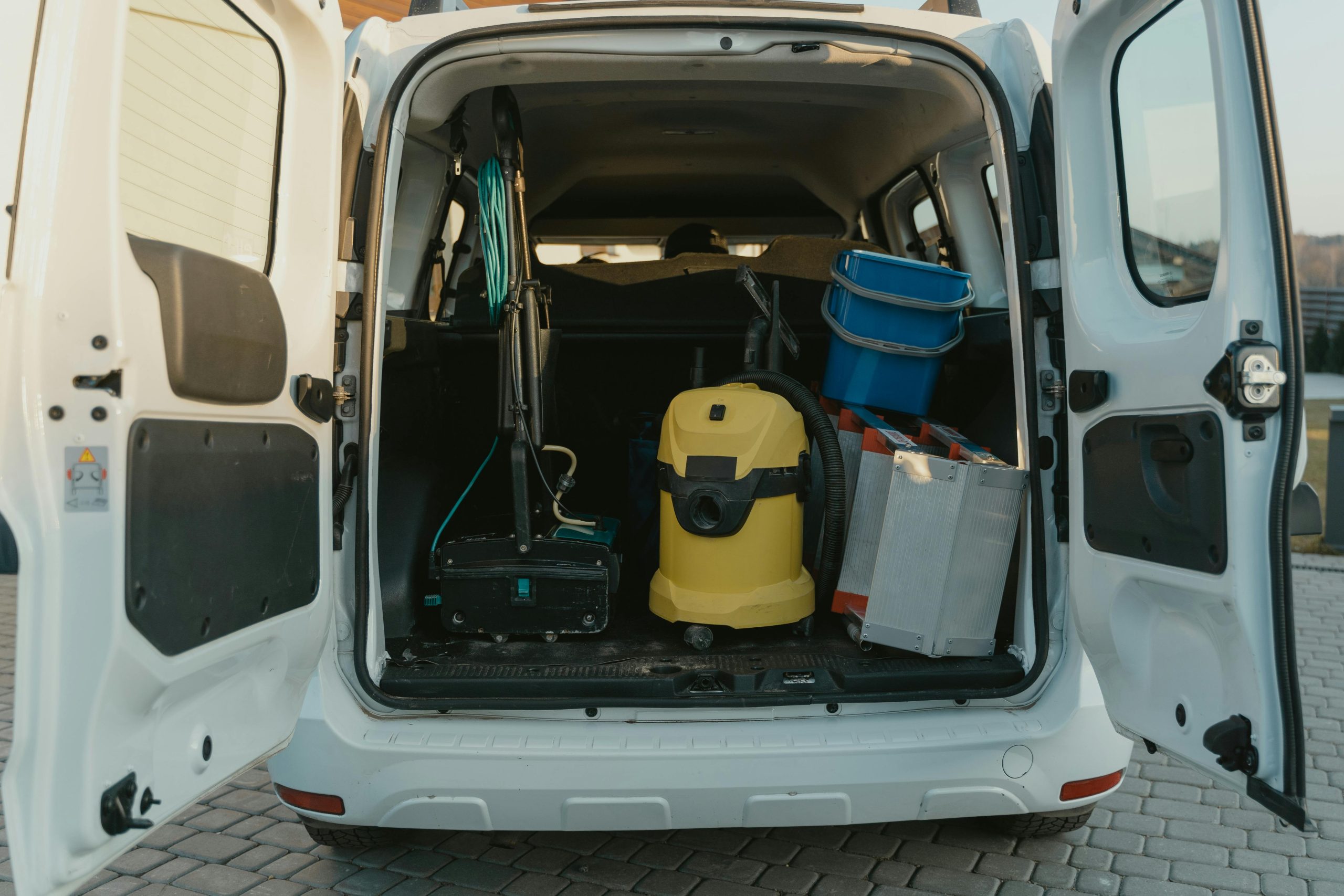
Kenya’s cleaning industry is thriving, driven by urbanization, a growing middle class, and increasing demand for both residential and commercial cleaning services. In cities like Nairobi, Mombasa, and Kisumu, more people and businesses are seeking professional cleaning solutions. Starting a cleaning business in Kenya requires minimal investment but offers high returns, especially with a well-executed plan. This guide covers everything you need to know to start, grow, and succeed in the cleaning business.
Overview of Cleaning Industry in Kenya
Kenya’s cleaning industry has expanded significantly, and the sector continues to grow. Factors such as economic development, urbanization, and increased disposable income are driving the demand for cleaning services in residential, commercial, and industrial sectors.
Current Trends
- Eco-Friendly Cleaning
There is a rising demand for environmentally friendly cleaning products and services. Clients are increasingly looking for businesses that use sustainable cleaning methods and eco-friendly supplies. - Technology Integration
The use of technology for managing bookings, scheduling, and even for cleaning tasks (robotic vacuums, for instance) is on the rise, improving efficiency and client satisfaction. - Cultural Fusion in Services
Event-driven services, such as those offered in weddings or corporate functions, are blending traditional cleaning with modern event planning, reflecting a growing trend for unique, personalized services.
Types of Cleaning Services You Can Offer
When starting a cleaning business, it’s essential to choose the types of services you want to offer. This decision should be based on local demand, your skills, and available resources.
A. Residential Cleaning Services
- Regular Cleaning: Dusting, vacuuming, mopping, bathroom cleaning.
- Deep Cleaning: A thorough clean, including behind appliances and inside cabinets.
- Move-In/Move-Out Cleaning: Specialized cleaning before new tenants move in or after tenants leave.
B. Commercial Cleaning Services
- Office Cleaning: Regular cleaning of offices, including desk surfaces, restrooms, and common areas.
- Retail Space Cleaning: Cleaning shops, malls, and retail outlets.
- Bank Cleaning: Specialized cleaning services for banks and financial institutions, which may require extra security.
C. Industrial Cleaning Services
- Factory and Warehouse Cleaning: Includes cleaning large spaces and industrial machinery.
- Machinery Cleaning: Specialized services for cleaning equipment used in manufacturing and production.
D. Specialized Cleaning Services
- Carpet and Upholstery Cleaning: Requires special equipment and products.
- Window Cleaning: Professional cleaning of high-rise windows or large commercial buildings.
- Post-Construction Cleaning: Clearing up construction debris and dust to make spaces ready for use.
Identifying Your Niche
To stand out in the competitive cleaning market, consider specializing in a niche service. Assess the demand for different cleaning services in your area, the available resources, and your skills.
- Local Demand: Research what types of cleaning services are in demand in your area.
- Expertise: Offer specialized services that require specific knowledge or skills.
- Competition: Analyze your competition and find gaps in the market to exploit.
Business Registration and Legal Requirements
Business Registration Process
- Choose and Reserve a Name
Pick a unique name and reserve it on the eCitizen portal (KES 150). - Decide on Your Business Structure
Choose from:
- Sole Proprietorship: Simple and low-cost, but you’re personally liable.
- Partnership: Shares liabilities and resources with a partner.
- Limited Company: Offers liability protection but is more complex to set up.
- Register Your Business
- Sole proprietorships and partnerships: Register with the Registrar of Business Names.
- Limited companies: Register with the Registrar of Companies and obtain a Certificate of Incorporation.
Get Licenses and Permits
- Single Business Permit: Apply via the county government’s portal.
- Tax Compliance: Register for a KRA PIN and file returns regularly.
- Insurance: Get public liability insurance and workers’ compensation to cover accidents.
Environmental Compliance
- Use eco-friendly products to comply with environmental regulations and attract green-conscious clients.
Essential Equipment and Supplies for a Cleaning Business in Kenya
Your cleaning business will need various tools and supplies to provide efficient services.
Basic Cleaning Equipment
- Vacuum Cleaners: Invest in both upright and handheld models.
- Mops and Buckets: Opt for microfiber mops for effective cleaning.
- Brooms and Dustpans: Different sizes for various surfaces.
- Squeegees: For window cleaning.
Specialized Cleaning Equipment
- Carpet Cleaning Machines: Necessary for deep cleaning carpets.
- Pressure Washers: For outdoor cleaning and heavy-duty tasks.
- Floor Buffers: For maintaining hard floors.
Cleaning Supplies
- Disinfectants: EPA-approved cleaners for sanitization.
- Glass Cleaners: For windows and mirrors.
- Floor and Bathroom Cleaners: Suitable for various surface types.
Safety Equipment
- Personal Protective Equipment (PPE): Gloves, masks, and goggles.
- First Aid Kit: For emergency situations.
Eco-Friendly Options
Consider using plant-based cleaners and reusable cloths to appeal to environmentally conscious clients.
Pricing Your Cleaning Services
Factors to Consider When Pricing
- Service Type: Basic cleaning, deep cleaning, or specialized services.
- Property Size: Larger spaces will require more time and resources.
- Frequency of Service: Regular clients may get discounted rates.
- Location: Pricing may vary depending on the location and accessibility.
Pricing Models
- Per Hour: Suitable for jobs with varying time needs.
- Per Square Meter: Common for larger properties.
- Flat Rate: Best for services with fixed time and resources.
Tips for Effective Pricing
- Factor in your overhead costs, such as equipment maintenance and transportation.
- Offer package deals for regular clients to increase retention.
- Keep your prices competitive but sustainable.
Marketing Strategies for Your Cleaning Business
Digital Marketing
- Social Media: Use platforms like Facebook, Instagram, and LinkedIn to engage with clients.
- SEO: Optimize your website to attract local searches for cleaning services.
Traditional Marketing
- Flyers and Business Cards: Distribute in targeted areas such as office parks and residential neighborhoods.
- Collaborations: Work with local businesses, real estate agents, and venues for referrals.
Customer Retention Strategies
- Referral Programs: Offer discounts for clients who refer new customers.
- Client Reviews: Encourage happy clients to leave positive feedback online.
Managing Finances and Cash Flow
Financial Planning
- Budgeting: Track all income and expenses to ensure profitability.
- Cash Flow Management: Regularly monitor and ensure that you have enough funds to cover ongoing operations.
Accounting Practices
- Use software like QuickBooks or Wave to track finances and generate invoices.
- Keep personal and business finances separate to simplify accounting.
Challenges and Solutions in the Cleaning Business in Kenya
- High Competition
- Solution: Offer exceptional customer service or specialize in niche markets.
- Employee Turnover
- Solution: Provide competitive pay, career development opportunities, and a positive work culture.
- Inconsistent Demand
- Solution: Expand services and target different customer segments.
- Quality Control
- Solution: Set quality standards and regularly monitor staff performance.
- Managing Costs
- Solution: Optimize resource usage and purchase supplies in bulk to reduce costs.
Expanding Your Cleaning Business in Kenya
- Geographic Expansion
- Expand your services to neighboring towns or cities.
- Service Diversification
- Offer new services based on client demands, such as window cleaning, upholstery cleaning, etc.
- Technology Integration
- Use cleaning management software to streamline operations.
- Franchising Opportunities
- Once you’ve established a strong brand, consider franchising your business.
- Strategic Partnerships
- Partner with property management companies, real estate agents, and hotels for consistent business.
Conclusion
Starting a cleaning business in Kenya is a profitable venture with minimal capital investment. By offering a variety of cleaning services, ensuring compliance with legal requirements, investing in the right equipment, and implementing effective marketing strategies, you can build a thriving business. Focus on providing high-quality service, managing your finances, and adapting to market changes to achieve long-term success.


