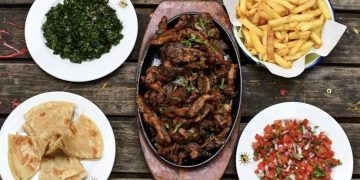
Pumpkin leaves are a nutritious and versatile green enjoyed in many African and Asian kitchens. Despite their incredible health benefits, many people avoid cooking them because they can be tough. However, with the right preparation and cooking techniques, pumpkin leaves can transform into a tender, flavorful dish that enhances any meal.
This guide will walk you through the process of cooking pumpkin leaves, from proper cleaning to seasoning, ensuring you get the most out of this healthy vegetable.
1. Step-by-Step Method for How to Cook Pumpkin Leaves
Cooking pumpkin leaves doesn’t have to be complicated. Here’s a clear and easy-to-follow method for preparing tender, flavorful pumpkin leaves for everyday meals.
Prepare and Clean Pumpkin Leaves
Start by selecting fresh, green pumpkin leaves. Avoid those that are yellowed or wilted, as they may not cook as well.
- Rinse the leaves under cold water to remove any dirt or dust.
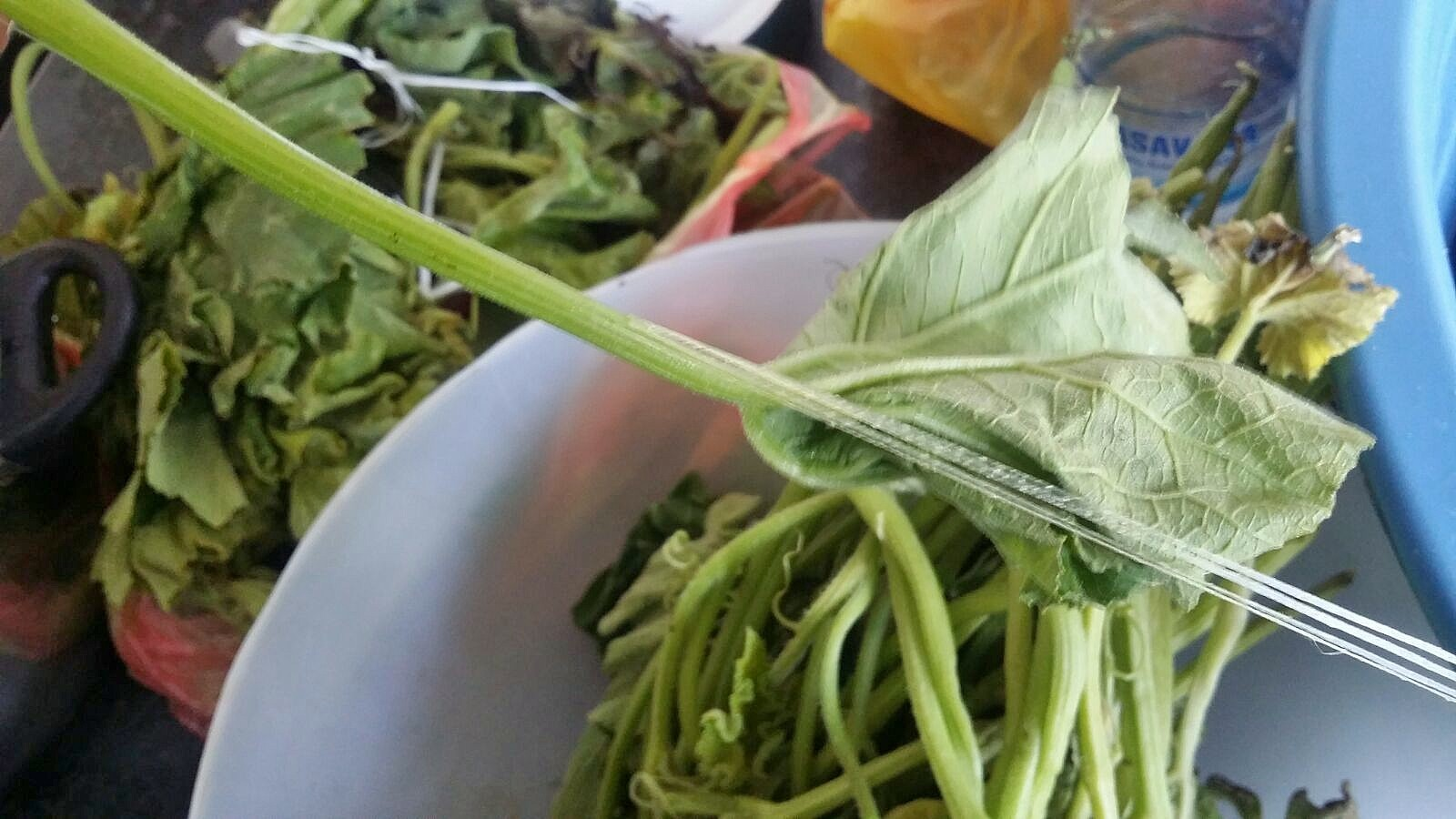
- Remove the fibrous strings by snapping the leaf stalk and gently pulling the threads downward. Repeat along the edges of the leaves if necessary. This step is crucial because the fibrous strings can make the leaves chewy, even after cooking.
- Chop the leaves into medium pieces and set them aside for boiling.
Proper cleaning is key to achieving a tender texture and removing any bitterness that may be present in the leaves.
Boil Pumpkin Leaves
Once the pumpkin leaves are cleaned, it’s time to boil them. Boiling helps soften the leaves and removes any residual bitterness.
- Place the chopped leaves in a pot and add just enough water to create steam. Avoid adding too much water, as the leaves release moisture on their own.
- Add a pinch of salt for flavor.
- Simmer for 10 to 12 minutes. The leaves will shrink, soften, and darken in color as they cook.
- Drain excess water if necessary.
Boiling prepares the pumpkin leaves for further seasoning, making them tender and ready for flavoring.
Cook Pumpkin Leaves with Onions and Tomatoes
A classic and simple method for cooking pumpkin leaves is to sauté them with onions and tomatoes.
- Heat a little oil in a pan.
- Add chopped onions and sauté them until softened.
- Add chopped tomatoes and cook until they break down into a light sauce.
- Season with salt, pepper, or curry powder to enhance the flavor.
- Add the boiled pumpkin leaves and stir to combine.
- Let everything cook together for 5 to 7 minutes to allow the flavors to meld.
This method adds richness and savory depth to the pumpkin leaves, making them a great side dish for rice, ugali, or pap.
Cook Pumpkin Leaves with Peanut Butter
For a creamy and nutty twist, you can cook pumpkin leaves with peanut butter. This traditional method is popular in many households.
- After boiling the leaves, dissolve 2 to 3 tablespoons of peanut butter in warm water to form a smooth paste.
- Add the peanut butter paste to the pot with the cooked pumpkin leaves.
- Stir well and let the mixture simmer gently for a few minutes.
The peanut butter adds a rich, creamy texture and a delicious nutty flavor to the dish, making it a hearty accompaniment to beans, maize meal, or stews.
2. Simple Table for Quick Reference
Here’s a quick reference table to help you remember each step when cooking pumpkin leaves:
| Step | Action | Purpose |
|---|---|---|
| 1 | Clean and remove fibers | Softens texture and improves cooking |
| 2 | Boil the leaves | Helps soften and reduce bitterness |
| 3 | Add seasoning or sauces | Enhances flavor and variety |
| 4 | Serve with meals | Completes the dish |
3. Serving the Pumpkin Leaves
Once cooked, pumpkin leaves can be served in various ways:
- Side Dish: Serve the cooked pumpkin leaves as a healthy side dish with rice, meat, fish, or beans.
- Soups & Stews: Add boiled or sautéed pumpkin leaves to soups and stews for added texture and flavor.
- Salads: For a nutritious addition to salads, you can mix cooked pumpkin leaves with other greens.
Pumpkin leaves offer a mild, earthy flavor and soft texture, making them a great fit for a wide variety of savory dishes. Whether boiled, sautéed, or served with peanut butter, they make a nutrient-packed and delicious meal component.