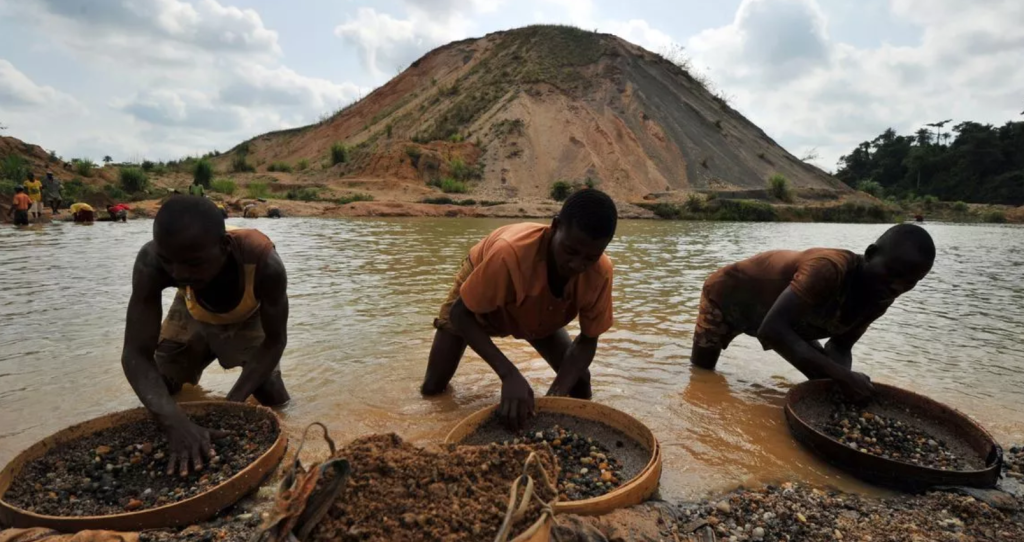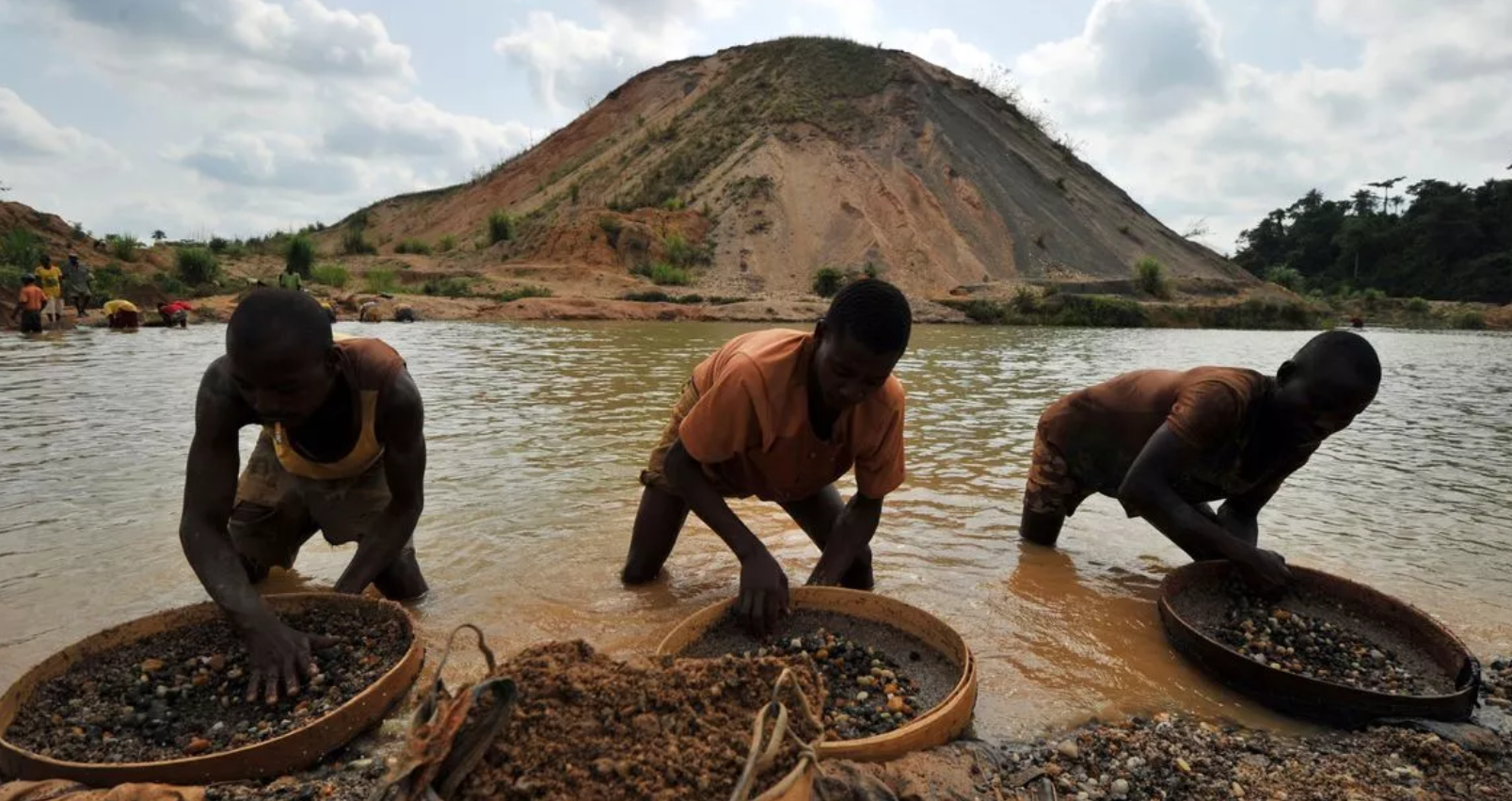
Kenya’s mining industry has seen rapid growth, attracting local and international investors. To operate legally, individuals and companies must obtain a mining license under the Mining Act of 2016. The process is streamlined through the Online Mining Cadastre System, ensuring transparency and responsible resource management.
This comprehensive guide walks you through everything you need to know to apply for a mining license in Kenya—from understanding the types of licenses to completing the application process and meeting compliance obligations.
1. Understanding the Different Types of Mining Licenses in Kenya
Kenya offers five main types of mining licenses, each designed for different scales of mining operations. Here’s a breakdown of each license type:
| License Type | Purpose | Validity Period |
|---|---|---|
| Prospecting License | For mineral exploration before extraction | 2 years |
| Mining License | For commercial mineral extraction | 5 years |
| Special Mining License | For large-scale or foreign-backed mining projects | Up to 25 years |
| Artisanal and Small-Scale Mining License | For local and community-based operations | 3 years |
| Mineral Dealer License | For trading in minerals like gold, copper, gemstones | 1 year |
Choosing the correct license ensures compliance with operational requirements and sets the foundation for your mining business.
2. Meeting the Eligibility Criteria for a Mining License
Before applying, you must meet several eligibility criteria that combine legal, financial, technical, and environmental factors:
1. Legal and Land Access Requirements
Applicants must be registered business entities with legal rights to the land intended for mining. Written consent from landowners or county authorities is required for private or trust land before a license is issued.
2. Financial and Technical Capacity
You must demonstrate sufficient financial resources to undertake mining operations, which can be shown through bank statements or audited financial reports.
- Foreign investors must show a minimum investment of USD 100,000 (approximately KES 12.9 million).
- Technical expertise is also required, either through in-house professionals or by partnering with certified geologists and mining engineers.
3. Environmental and Tax Compliance
Mining activities must adhere to environmental regulations, with a NEMA-approved Environmental Impact Assessment (EIA) required.
You must also present a valid KRA Tax Compliance Certificate to confirm that your business is tax compliant.
These criteria ensure that the mining operations are carried out sustainably, protecting both the environment and local communities.
3. Step-by-Step Application Process for a Mining License
The application process for a mining license in Kenya is digital and simple. Here’s a detailed breakdown of the application steps through the Online Mining Cadastre Portal:
Step 1: Account Registration
- Visit the Online Mining Cadastre Portal and create an account.
- Provide your company details, business registration documents, and directors’ information.
Step 2: Document Upload and Submission
- Upload the following mandatory documents:
- Proof of land access or consent
- Environmental Impact Assessment (EIA) report (approved by NEMA)
- KRA Tax Compliance Certificate
- Financial capacity evidence (bank statements or audited reports)
- Technical qualifications or professional CVs
- Geospatial coordinates of the mining area
The system automatically marks your proposed area to prevent overlapping claims.
Step 3: Review and Evaluation
- The Licensing Division reviews your application for completeness before forwarding it to the Mineral Rights Board (MRB).
- The MRB evaluates the technical, environmental, and financial aspects of the application and makes recommendations for approval.
Step 4: License Issuance
- Upon approval, the license is prepared and dispatched digitally.
- This online process enhances transparency, reduces delays, and minimizes disputes over mining zones.
4. Compliance and Monitoring After License Approval
Securing a mining license is just the beginning. To ensure continuous compliance, you must submit regular reports through the Online Mining Cadastre System. Here are the reports you’ll need to submit:
| Report Type | Frequency | Purpose |
|---|---|---|
| Production Returns | Monthly, Quarterly, Annually | Detail quantity, quality, and recovery rates of minerals extracted |
| Royalty Returns | Quarterly | Record payments made to the government based on mineral value |
| Mine Development Returns | Quarterly | Update progress on site development, infrastructure, and community projects |
| Gross Sales & Revenue Reports | Monthly, Annually | Summarize sales, operational costs, and tax obligations |
Failure to submit reports on time can result in penalties, suspension, or even revocation of your mining license. The Ministry of Mining monitors all licensees, ensuring responsible and transparent operations.
5. Final Thoughts
Applying for a mining license in Kenya is a straightforward but detailed process that requires accurate documentation and adherence to legal requirements. Thanks to the Online Mining Cadastre System, the process is now more efficient and transparent than ever before.
By selecting the right license type, meeting the eligibility criteria, and submitting your application correctly, you can successfully navigate Kenya’s mining regulatory framework and contribute to sustainable resource management. Be sure to follow all post-approval compliance processes to maintain your license and operate legally within Kenya’s mining sector.