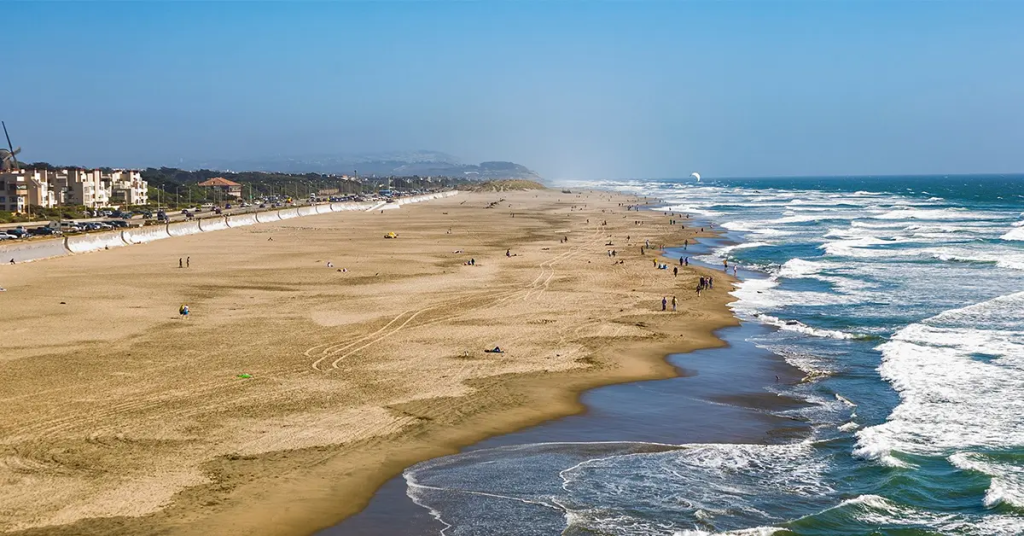
Kenya’s coastline is a national treasure, rich in resources and biodiversity. To ensure that development along these areas is sustainable and doesn’t harm the fragile marine environment, the Coastal Zone Management Permit is required. This permit, regulated by NEMA and other key agencies, ensures that development projects comply with Kenya’s Integrated Coastal Zone Management (ICZM) policy.
Whether you are planning a new construction, tourist resort, or marine-related project, this step-by-step guide will help you navigate the process of applying for a Coastal Zone Management Permit and meeting all regulatory requirements.
How to Apply for a Coastal Zone Management Permit in Kenya
Applying for a Coastal Zone Management Permit requires thorough documentation, assessments, and stakeholder consultations. Below is a detailed process to help guide you through each stage.
Step 1: Conduct an Environmental Impact Assessment (EIA)
The first step in obtaining a Coastal Zone Management Permit is conducting an Environmental Impact Assessment (EIA). The EIA evaluates the environmental, social, and economic impact of your proposed project. It helps ensure that your project does not harm Kenya’s coastal ecosystem, including mangroves, coral reefs, and wetlands.
- Who to Hire: You must hire a NEMA-licensed EIA expert to conduct the assessment.
- Key Requirements for EIA:
- Project proposal with maps and site details.
- Evidence of stakeholder consultation.
- A mitigation plan for identified environmental risks.
Once the EIA report is prepared, submit it to NEMA for review. If NEMA is satisfied with the findings, they will issue an EIA license, which is a mandatory prerequisite for further steps in the application.
Step 2: Secure County Government and Sectoral Approvals
After obtaining the EIA license, the next step is securing approvals from the county government and other sectoral agencies. These approvals ensure that your development complies with local zoning laws and national sector regulations.
- County Government Approvals:
- Building permits and zoning approvals.
- Verification of land use compliance.
- Sectoral Approvals (if applicable):
- Water Resources Authority (WRA): Water abstraction permits.
- Kenya Forest Service (KFS): Coastal forest and mangrove use permits.
- Kenya Maritime Authority (KMA): Maritime infrastructure clearance.
- National Museums of Kenya (NMK): Heritage site clearances.
- Tourism Regulatory Authority (TRA): Tourism-related licenses.
Each of these approvals must be obtained based on your project’s specific needs. Ensure you comply with the relevant regulatory requirements for your type of development.
Step 3: Engage Stakeholders
Stakeholder engagement is a vital part of the Coastal Zone Management Permit process. Under Kenya’s ICZM Policy, developers are required to involve the affected communities, local authorities, and environmental groups in the planning process.
- How to Engage Stakeholders:
- Host community forums or barazas to share project details.
- Hold meetings with local leaders, residents, and other relevant parties.
- Document all feedback and include it in your EIA report.
The feedback gathered must be documented and integrated into the project design to ensure community and environmental interests are addressed. NEMA requires evidence of stakeholder engagement before approving any permit.
Step 4: Submit Your Final Application to NEMA
Once you have completed all the necessary assessments and consultations, you are ready to submit your application to NEMA. Your submission must include:
- Approved EIA license.
- County government permits (e.g., building and zoning permits).
- Relevant sectoral permits (e.g., water, forestry, tourism).
- Stakeholder engagement report.
- Detailed project proposal with location maps.
Submit your completed application through NEMA’s Environmental Licensing Portal or directly at the coastal zone authority office.
Step 5: Review and Final Approval
After submitting your application, NEMA will review your documents and assess compliance with all regulatory and environmental standards. This review process usually takes between 30 to 90 days.
- During the review, NEMA may request additional information or schedule a site inspection.
- Once NEMA approves your application, you will be granted the Coastal Zone Management Permit.
Key Considerations During the Application Process
- Timeliness: Begin the process early to allow sufficient time for documentation, stakeholder consultations, and reviews.
- Comprehensive Documentation: Ensure all required documents are complete and accurate to avoid delays.
- Compliance: Adhering to environmental and legal requirements is crucial to prevent project delays and ensure sustainability.
- Public Participation: Effective stakeholder engagement is not only a legal requirement but also enhances project acceptance within local communities.
Conclusion
Applying for a Coastal Zone Management Permit in Kenya requires careful planning and adherence to legal, environmental, and community standards. The process ensures that coastal developments are sustainable, environmentally responsible, and beneficial to both the economy and local communities.
By following the steps outlined in this guide, from conducting an EIA to engaging stakeholders and securing necessary approvals, you can successfully navigate the application process and contribute to responsible use of Kenya’s coastal resources.