Vending machines used to be pretty simple. You put your money in, press a button, and something falls out. That was more or less the whole experience for decades.
That’s changed a lot.
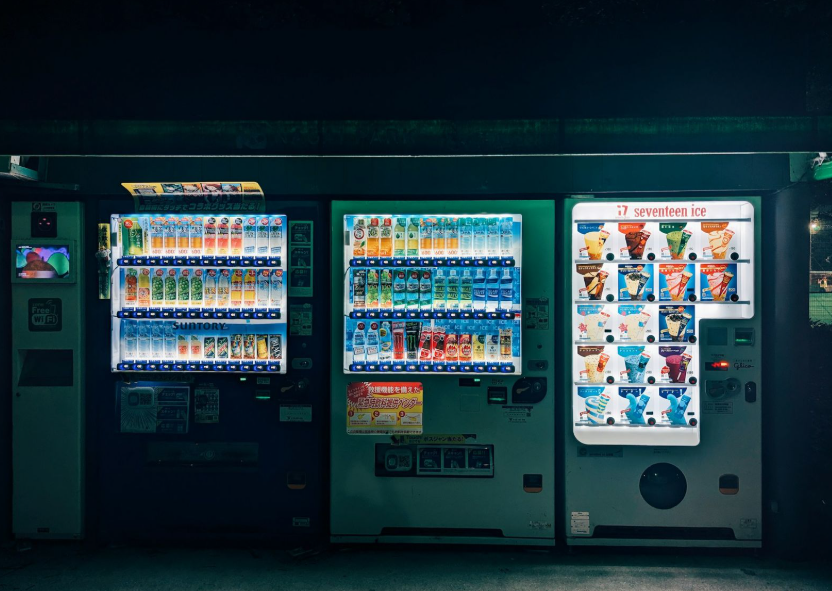
Walk past a modern vending machine, and you might see a full touchscreen interface, contactless payment options, a QR code to scan with your phone, and a live display of what’s actually in stock. These things have gone from being a convenience to being a genuinely connected piece of technology, and the mobile app sitting on your phone is a big part of why.
How vending machines got smart
The shift started when vending machines got internet connectivity. Once a machine could talk to a network, suddenly a whole range of things became possible that simply weren’t before.
Operators could check inventory remotely instead of sending someone to physically open every machine. They could get alerts when something broke down. They could see sales data in real time. For businesses running large numbers of machines spread across multiple locations, that visibility was a game changer.
For customers, the experience started improving too. Touchscreens replaced the old button panels. Digital payment terminals meant you didn’t need exact change. Product displays got more visual and informative.
But the really interesting shift happened when mobile apps entered the picture.
Why your phone is now part of the vending experience
Think about what you actually use your phone for throughout the day. You order food on it. You pay for things. You check whether a restaurant is open or sold out of something before you make the trip. You track loyalty points. You get recommendations based on what you’ve bought before.
People have come to expect that level of convenience across pretty much everything. Vending machines are no exception.
Mobile app integration is what makes the vending experience feel like it belongs in the same world as everything else on your phone, rather than being stuck a decade behind.
How the connection actually works
When a mobile app talks to a vending machine, it’s not usually a direct communication between your phone and the physical machine. There’s a cloud platform sitting in the middle acting as the bridge.
Your app sends a request to that platform. The platform pulls information from the connected machine and sends it back to your screen. This happens quickly enough that it feels seamless from the customer’s side, but there’s a real infrastructure running behind it.
That same setup handles payments, loyalty point tracking, product availability, machine status, and purchase history, all flowing through the same central system, keeping everything in sync.
Payments have gotten a lot easier
Cash is becoming genuinely rare. A lot of people don’t carry it regularly anymore, and even physical cards are losing ground to phones and digital wallets.
For vending machines that relied on coins and bills, that was a problem. Mobile payment integration solves it. Customers can pay directly through an app, tap their phone on a reader, or scan a QR code to complete a purchase without ever interacting with a payment terminal on the machine itself.
Beyond just being convenient, easier payment tends to mean more completed purchases. When friction goes down, sales tend to go up. People who might have walked past because they didn’t have cash or the right change become customers. This is also why many companies are going for smart vending machine software development services. They’re helping them integrate multiple types of payment options.
Knowing what’s in stock before you walk over
There’s a particular kind of frustration that comes from walking across an office building or a transit station to get something from a vending machine only to find it’s sold out. It’s a small thing but it’s genuinely annoying.
Real time inventory visibility through a mobile app removes that problem. Customers can check what’s actually available at a specific machine before making the trip. If what they want isn’t there, they can find another machine nearby that has it.
For operators, the same data helps with restocking. Instead of discovering a machine is empty during a scheduled visit, they can see low inventory levels in real time and respond before a machine runs dry completely.
Why custom software matters here
Not every vending business is the same. A company running snack machines in office buildings has completely different needs from one selling electronics in airports or fresh food in hospitals. Off the shelf software can handle the basics, but it rarely fits any specific operation particularly well.
That’s why a lot of vending businesses invest in custom software development rather than trying to adapt generic solutions to their workflows. Custom development means the mobile app matches the brand, the features actually reflect how the business operates, and integrations with existing payment systems or inventory platforms work properly rather than requiring awkward workarounds.
It costs more upfront but it tends to produce a much better result, both for the business running it and the customers using it.
Loyalty programs that actually work
One thing mobile apps do really well in the vending context is loyalty programs. Without an app, vending loyalty is basically impossible to implement in any meaningful way. With one, it becomes pretty straightforward.
Customers earn points on purchases, redeem rewards, get personalized promotions, and see their history all in one place, tied to their account. There’s no physical card to lose or forget. The whole thing just works in the background every time they make a purchase.
For businesses, loyalty programs mean repeat customers and a steady stream of data about what those customers actually like, which feeds into better inventory decisions, smarter promotions, and more relevant offers over time.
The data side of things
Every transaction through a connected vending system generates useful information. Which products sell at which locations and at what times? Which promotions drive purchases? Which machines get the most traffic? What customers browse but don’t buy.
Mobile apps add another layer to that picture because they capture behavior beyond just the transaction itself. Browsing patterns, feature usage, and location preferences. Taken together, this gives operators a much clearer picture of what’s working and what isn’t than they’d ever get from traditional machines.
Better decisions about restocking, pricing, machine placement, and product selection all flow from having that data actually available and legible rather than guessing.
When something breaks
Smart vending machines can also flag their own problems. If a machine malfunctions, the connected software can send an alert to operators immediately. In some cases, technicians can diagnose what’s wrong remotely before anyone physically shows up, which means faster fixes and less downtime.
That kind of visibility used to require someone physically checking each machine on a schedule. Now it’s just a notification on a phone.
Where this is all going
The connection between mobile apps and vending machines is only going to get tighter. As customer expectations keep rising and the technology keeps improving, the vending experience is going to feel increasingly similar to any other connected retail or food service experience on your phone.
Businesses that are building that infrastructure now are in a much better position than those waiting to see how things develop. The gap between a well connected vending operation and a basic one is already significant, and it’s widening.