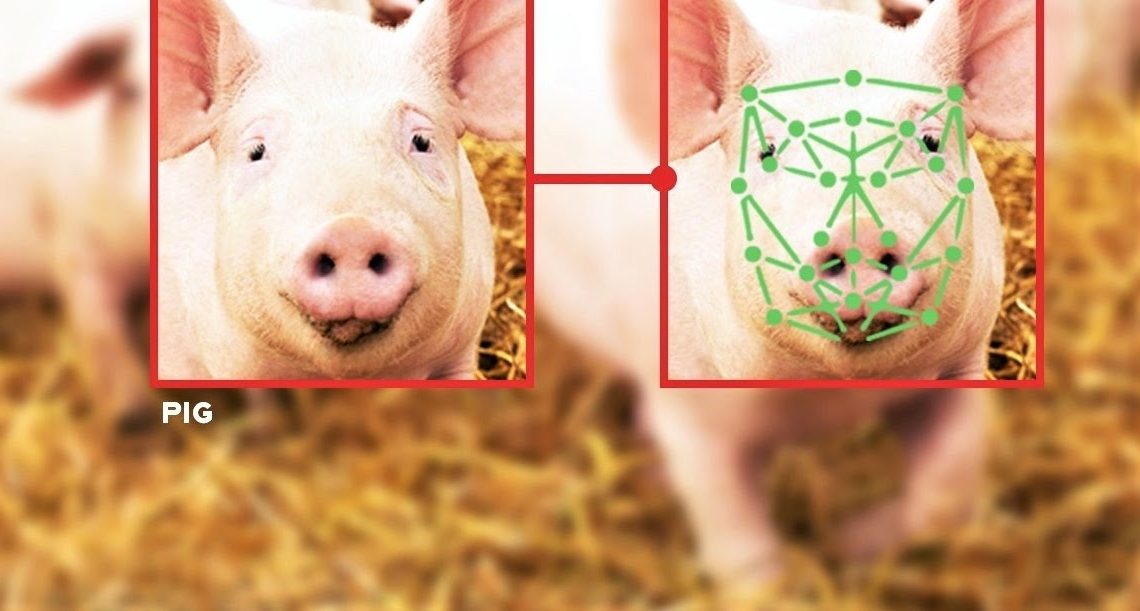
Artificial intelligence (AI) is revolutionizing the way we understand and care for animals by decoding their emotions. While animals have always been an integral part of human life, interpreting their feelings has historically been a challenge. Thanks to advancements in AI, researchers and animal caregivers are now able to analyze facial expressions, body language, and vocalizations to identify signs of distress, pain, and joy in animals. This breakthrough not only promises to improve animal welfare but also transforms how we interact with and care for our animal companions.
AI Applications Decoding Animal Emotions
AI is being applied in innovative ways to understand animal emotions across various species. Here are some groundbreaking examples:
1. IntelliPig System: Monitoring Pig Welfare
- Developed by the University of the West of England, Bristol, and Scotland’s Rural College, the IntelliPig system uses AI to analyze pigs’ facial expressions and assess their emotional well-being.
- The system identifies signs of pain, stress, and illness, enabling farmers to address issues before they escalate.
- By ensuring healthier and happier lives for pigs, this technology is transforming livestock management.
2. Dog Facial Expression Analysis: Understanding Canine Emotions
- Researchers at the University of Haifa are leveraging AI to detect discomfort and emotional distress in dogs.
- By analyzing subtle changes in a dog’s facial expressions, AI systems can identify when a dog is in pain or feeling anxious.
- This technology empowers pet owners and veterinarians to respond more effectively to their pets’ needs, improving overall care.
3. Detection of Pain in Horses: Improving Equine Care
- A groundbreaking study by the University of São Paulo has demonstrated AI’s ability to recognize pain in horses.
- Using photos taken before and after surgeries or pain-relief treatments, AI systems focus on specific features like the eyes, ears, and mouth to detect pain.
- With an impressive 88% success rate, this technology could revolutionize pain management for horses and other animals, ensuring timely and appropriate care.
Challenges in Decoding Animal Emotions
While AI holds immense promise in understanding animal emotions, several challenges remain:
- Data Collection: AI requires large, diverse datasets of animal behaviors and emotions, which can be difficult to collect due to the complexity of animal behavior and the need for extensive observation.
- Nuanced Signals: Animals express emotions through subtle changes in facial expressions and body language, requiring AI systems to interpret these nuanced signals accurately.
- Species-Specific Variations: Different species exhibit emotions in unique ways, necessitating tailored AI models for each animal type.
The Future of AI in Animal Welfare
As AI continues to evolve, its applications in animal welfare are expected to expand, offering new ways to understand and care for animals. Potential future developments include:
- Improved Livestock Management: AI could enhance the well-being of farm animals by monitoring their health and emotions in real-time, leading to more humane farming practices.
- Enhanced Pet Care: AI-powered tools could help pet owners better understand their pets’ needs, improving the quality of life for companion animals.
- Wildlife Conservation: AI could be used to monitor the emotional well-being of wildlife, aiding conservation efforts and ensuring the protection of endangered species.
Conclusion: A More Compassionate World for Animals
AI’s ability to decode animal emotions represents a significant step forward in animal welfare. By providing insights into how animals feel, AI is helping us create a more compassionate world where animals are understood, cared for, and respected. From improving livestock management to enhancing the lives of pets, AI is paving the way for a future where humans and animals coexist in harmony.
As technology continues to advance, the possibilities for AI in animal welfare are limitless. By embracing these innovations, we can ensure that animals receive the care and attention they deserve, fostering a deeper connection between humans and the animal kingdom. 🐾🤖