Haiti cities and communes form the backbone of the country’s administrative, cultural, and economic life. The nation is divided into communes that function as cities and towns, each playing a vital role in governance and development. From the bustling capital of Port-au-Prince to historic coastal centers like Cap-Haïtien, Haiti’s urban network reflects its rich history and evolving economy.
Understanding Haiti cities and communes helps reveal how the country is structured, how people live, and where economic and cultural activities thrive. These urban centers are organized within ten departments, each with distinct characteristics and regional importance.
What Are Haiti Cities and Communes?
Haiti cities and communes are the smallest administrative divisions in the country. Each commune operates like a municipality, managing local governance, infrastructure, and public services.
Unlike many countries where cities and towns are distinct categories, Haiti uses the term “commune” broadly. Therefore, major cities, suburban areas, and rural towns all fall under this classification.
Structure of Haiti’s Administrative Divisions
Haiti is divided into 10 departments, which are further subdivided into arrondissements and then communes. This structure ensures decentralized governance across the country.
The 10 departments include:
- Ouest
- Artibonite
- Nord
- Nord-Est
- Nord-Ouest
- Centre
- Sud
- Sud-Est
- Nippes
- Grand’Anse
Each department contains several communes, ranging from densely populated urban areas to smaller rural towns.
Major Haiti Cities and Communes
Port-au-Prince – The Capital City


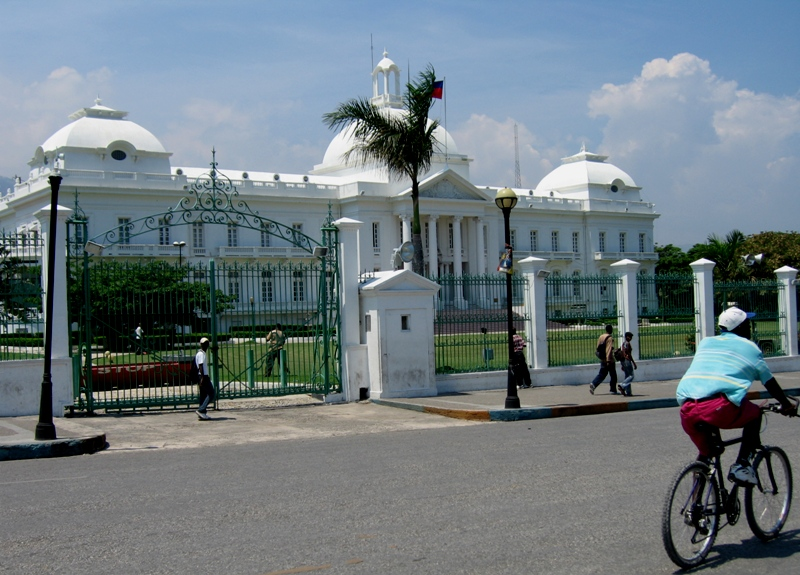
Port-au-Prince is the largest and most important city in Haiti. Located in the Ouest Department, it serves as the political, economic, and cultural hub of the country.
Key features:
- Government headquarters
- Major port and trade center
- Dense population and urban sprawl
Carrefour – A Major Residential Hub
Carrefour lies just west of Port-au-Prince. It is one of the most populous communes and serves as a major residential and commercial area.
Key highlights:
- Rapid urban growth
- Strong connection to the العاصمة region
- Important local markets and businesses
Cap-Haïtien – Historic Northern City


Cap-Haïtien is known for its colonial architecture and historical significance. It played a key role during Haiti’s independence.
Key features:
- Proximity to the Citadelle Laferrière
- Tourism and heritage sites
- Northern economic center
Delmas – Urban Expansion Zone
Delmas is part of the Port-au-Prince metropolitan area. It is densely populated and continues to expand rapidly.
Key aspects:
- Residential and commercial mix
- Key transportation routes
- Urban infrastructure development
Pétion-Ville – Upscale Suburb
Pétion-Ville is known for its affluent neighborhoods, hotels, and restaurants.
Highlights:
- Tourism hotspot
- Business and diplomatic presence
- Modern lifestyle amenities
Gonaïves – Historical Independence City


Gonaïves is where Haiti declared independence in 1804. It remains a significant city in the Artibonite Department.
Key features:
- Agricultural importance
- Historical relevance
- Regional trade hub
Jacmel – Cultural and Artistic Center


Jacmel is famous for its vibrant arts scene and cultural festivals.
Highlights:
- Carnival celebrations
- Artisan crafts
- Coastal tourism
Les Cayes – Southern Port City
Les Cayes is a major port and economic center in the south.
Key features:
- Fishing and maritime trade
- Gateway to nearby islands
- Regional commerce hub
Jérémie – The City of Poets
Jérémie is known for its literary heritage.
Highlights:
- Cultural identity
- Scenic coastal views
- Historical significance
Cité Soleil – Urban Density and Challenges
Cité Soleil is one of the most densely populated communes.
Key aspects:
- Urban challenges
- Economic activity
- Community resilience
Other Important Haiti Cities and Communes by Department
Artibonite Department
- Petite Rivière de l’Artibonite
- Anse-Rouge
Ouest Department
- Cabaret
- Gressier
- Tabarre
- Kenscoff
Sud Department
- Aquin
Nippes Department
- Anse-à-Veau
Grand’Anse Department
- Anse-d’Hainault
Nord-Est Department
- Fort-Liberté
- Ouanaminthe
Centre Department
- Hinche
- Mirebalais
These Haiti cities and communes provide a mix of urban, rural, coastal, and inland environments, each contributing to the country’s diversity.
Economic Importance of Haiti Cities and Communes
Haiti cities and communes drive the country’s economy in different ways:
- Port cities like Les Cayes support trade
- Agricultural hubs like Gonaïves sustain food production
- Tourism centers like Jacmel boost cultural industries
- Urban zones like Delmas and Carrefour drive commerce
This diversity ensures that economic activities are spread across regions rather than concentrated in one area.
Cultural Significance of Haiti Cities
Haiti’s cities are deeply tied to its history and identity. For example:
- Cap-Haïtien reflects colonial history
- Gonaïves symbolizes independence
- Jacmel showcases artistic expression
Each commune contributes to Haiti’s national story through traditions, festivals, and local heritage.
Challenges Facing Haiti Cities and Communes
Despite their importance, Haiti cities and communes face several challenges:
- Rapid urbanization
- Limited infrastructure
- Environmental risks
- Economic inequality
However, ongoing development efforts aim to improve living conditions and urban planning.
Future of Haiti Cities and Communes
The future of Haiti cities and communes depends on sustainable development, infrastructure investment, and economic diversification. As urban populations grow, cities like Port-au-Prince and Cap-Haïtien will continue to evolve.
At the same time, smaller communes will play a critical role in balancing development and reducing pressure on major urban centers.
Conclusion
Haiti cities and communes form a dynamic network of urban and rural centers that shape the country’s identity and economy. From the bustling streets of Port-au-Prince to the artistic charm of Jacmel, each commune contributes uniquely to Haiti’s development.
Understanding Haiti cities and communes offers valuable insight into how the nation functions and where its future opportunities lie.