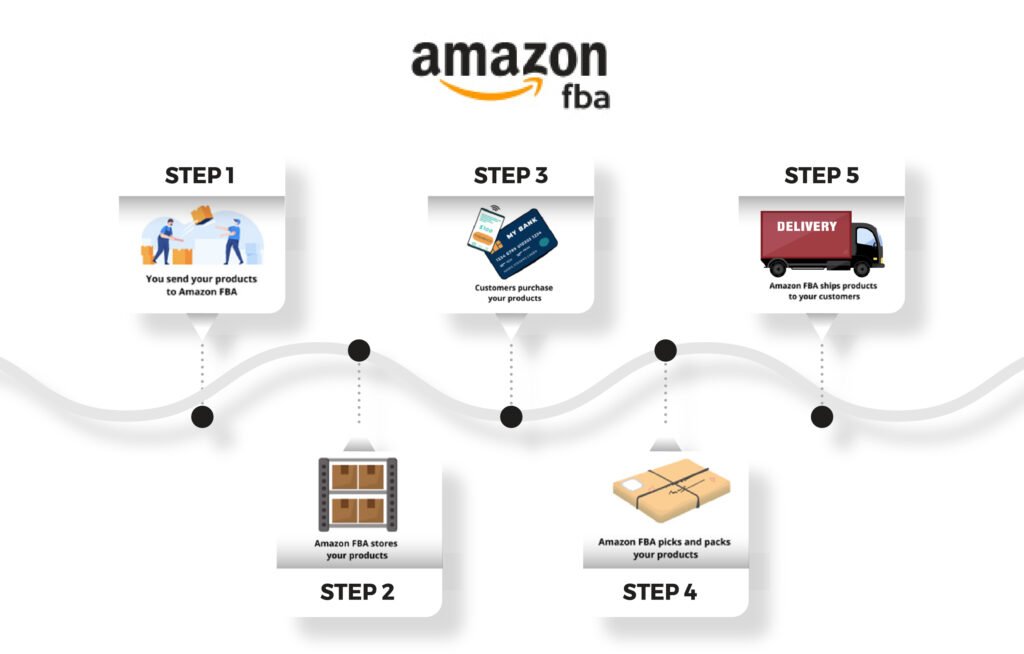
Amazon FBA, or Fulfillment by Amazon, is a service where Amazon handles the warehousing, shipping, and customer service for products sold by third-party sellers on their marketplace. This means you ship your products to Amazon’s fulfillment centers, and they manage the entire process from picking and packing to shipping and returns.
Complete Guide to Setting Up Amazon FBA in Europe
Amazon FBA (Fulfillment by Amazon) is one of the most powerful ways to grow an eCommerce brand internationally—and Europe is a top market for expansion. If you’re a seller based in the U.S. or anywhere globally, setting up Amazon FBA in Europe opens access to over 400 million potential customers across major marketplaces like Germany, France, Spain, and Italy.
This guide will walk you through the exact steps for setting up Amazon FBA in Europe, covering legal requirements, VAT registration, marketplace selection, and how fulfillment works across borders.
✅ Amazon FBA in Europe Launch Checklist
| Task | Description | Status |
|---|---|---|
| Create Amazon Europe Seller Account | Register via sell.amazon.com and choose Europe. | ☐ |
| Verify Identity | Submit required documents (ID, bank info, address proof). | ☐ |
| VAT Registration | Register for VAT in your home country + EU countries where you store inventory. | ☐ |
| Choose Fulfillment Model | EFN, Pan-European FBA, or MCI. | ☐ |
| Prepare Shipping Plan | Create FBA shipments to Amazon EU warehouses. | ☐ |
| Translate Listings | Localize titles, bullet points, and descriptions. | ☐ |
| Product Compliance Check | Add CE marking, safety info, and legal labels. | ☐ |
| Set Prices (incl. VAT) | Calculate final prices with taxes and fees included. | ☐ |
| Enable Advertising | Set up Sponsored Products campaigns. | ☐ |
| Launch in Target Market | Start with 1–2 countries (e.g. Germany, France). | ☐ |
| Monitor Sales and VAT Thresholds | Track performance and new tax obligations. | ☐ |
🧾 VAT Registration Guide (Simplified)
| Country | VAT Needed If You… | Register Via |
|---|---|---|
| Germany | Store inventory or exceed €100K in sales | ELSTER (or via Amazon VAT Services) |
| France | Store goods or exceed €35K in sales | impots.gouv.fr |
| Italy | Store goods or pass €35K threshold | Agenzia delle Entrate |
| Spain | Store or sell beyond local threshold | Agencia Tributaria |
| Poland, Czech Republic | Popular for warehousing (Pan-EU FBA) | National tax portals or AVS |
✅ Use Amazon VAT Services (AVS) for automation: available inside Seller Central
✅ Hire 3rd-party providers (e.g., Taxually, Hellotax, Avalara) for filing support
✅ What Is Amazon FBA in Europe?
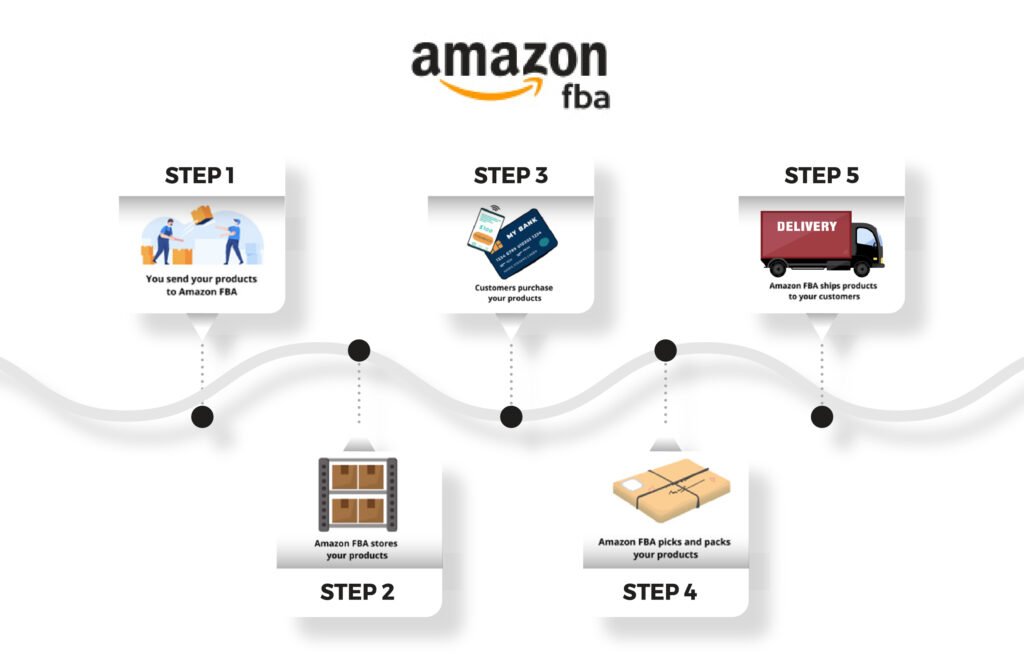
Fulfillment by Amazon (FBA) in Europe means that Amazon stores your inventory in its European fulfillment centers and handles shipping, customer service, and returns for all EU-based customers.
With Pan-European FBA, your products can be shipped from any Amazon warehouse within the EU to customers in other EU countries—faster and often cheaper.
Step-by-Step Guide to Setting Up Amazon FBA in Europe
1. Create an Amazon Europe Seller Account
You need a unified Amazon Europe Marketplaces Account, which allows you to manage multiple EU Amazon stores (Germany, UK, France, Italy, Spain, etc.) from one dashboard.
Steps:
- Go to sell.amazon.com and choose Europe as your region
- Provide identity verification (ID, proof of address, bank details)
- Link your tax information for international selling
✅ Note: If you’re already a U.S. seller, you can use your existing account to expand into Europe.
2. Register for VAT in Required Countries
VAT (Value Added Tax) is mandatory when selling in most EU countries. You must register for VAT in countries where you:
- Store inventory
- Exceed country-specific thresholds
- Sell into from abroad (for some markets)
Solutions:
- Use Amazon’s VAT Services (AVS) to automate registration and filing
- Or partner with third-party services like Taxually, Hellotax, or Avalara
✅ Each country has its own rules. Start with countries you plan to store goods in, such as Germany or France.
3. Set Up FBA Inventory and Shipping
To use FBA in Europe, you’ll need to ship inventory to Amazon’s European fulfillment centers.
Steps:
- Create FBA listings for EU marketplaces
- Choose the Fulfillment Program:
- European Fulfillment Network (EFN) – Ship from one country to others
- Pan-European FBA – Store inventory across EU warehouses
- Multi-Country Inventory (MCI) – Choose countries for stock storage
Tip: Pan-European FBA gives fastest delivery and lowest shipping fees, but requires VAT registration in each country where stock is stored.
4. Comply with EU Product Regulations
To avoid fines or bans, make sure your product meets EU safety, packaging, and labeling standards.
Checklist:
- Add CE markings if required (electronics, toys, etc.)
- Include multilingual labels and manuals
- Ensure compliance with REACH, WEEE, or other EU directives
✅ Work with a compliance consultant if your product category is highly regulated.
5. Localize Listings for European Buyers
Amazon shoppers in Germany or Spain want content in their native language. Translate your listings and optimize for each marketplace’s SEO.
Tips:
- Use Amazon’s Build International Listings (BIL) tool
- Hire native-speaking translators or use Amazon Translation Services
- Customize titles, keywords, and descriptions for each market
✅ Localization boosts trust and conversion rates significantly.
6. Price Strategically for EU Markets
EU customers expect transparent pricing, including VAT. Make sure your pricing accounts for:
- VAT rates (19–25% depending on country)
- Amazon’s referral and FBA fees
- Currency exchange rates
- Shipping and import duties (if sending from outside the EU)
Tools to help:
- Amazon’s FBA Revenue Calculator (EU version)
- Currency converters like Wise or OFX for better transfer rates
7. Launch and Market Your Products in Europe
Once your listings are live, drive traffic through:
- Amazon Sponsored Products ads (PPC)
- EU marketplace-specific deals (Lightning Deals, Coupons)
- External traffic: Google Ads, social media, influencer partnerships
✅ Focus on one or two marketplaces first—like Germany and France—before expanding to others.
Pros and Cons of Selling via Amazon FBA in Europe
Pros:
- Access to a massive customer base
- Amazon handles logistics, returns, and customer service
- Lower shipping costs within EU using Pan-European FBA
- Easier cross-border sales under one unified account
Cons:
- VAT registration and filing can be complex
- Higher compliance and regulatory requirements
- More competition in top marketplaces (like Amazon Germany)
- Currency conversion fees and international taxes
Final Thoughts
Setting up Amazon FBA in Europe is a strategic move that can dramatically expand your customer base and sales potential. While the process involves careful planning—especially with taxes, logistics, and compliance—it offers high rewards for sellers who take the time to do it right.
If you want to scale globally with less overhead, automation, and wide market reach, Amazon FBA in Europe is one of the best paths forward.