


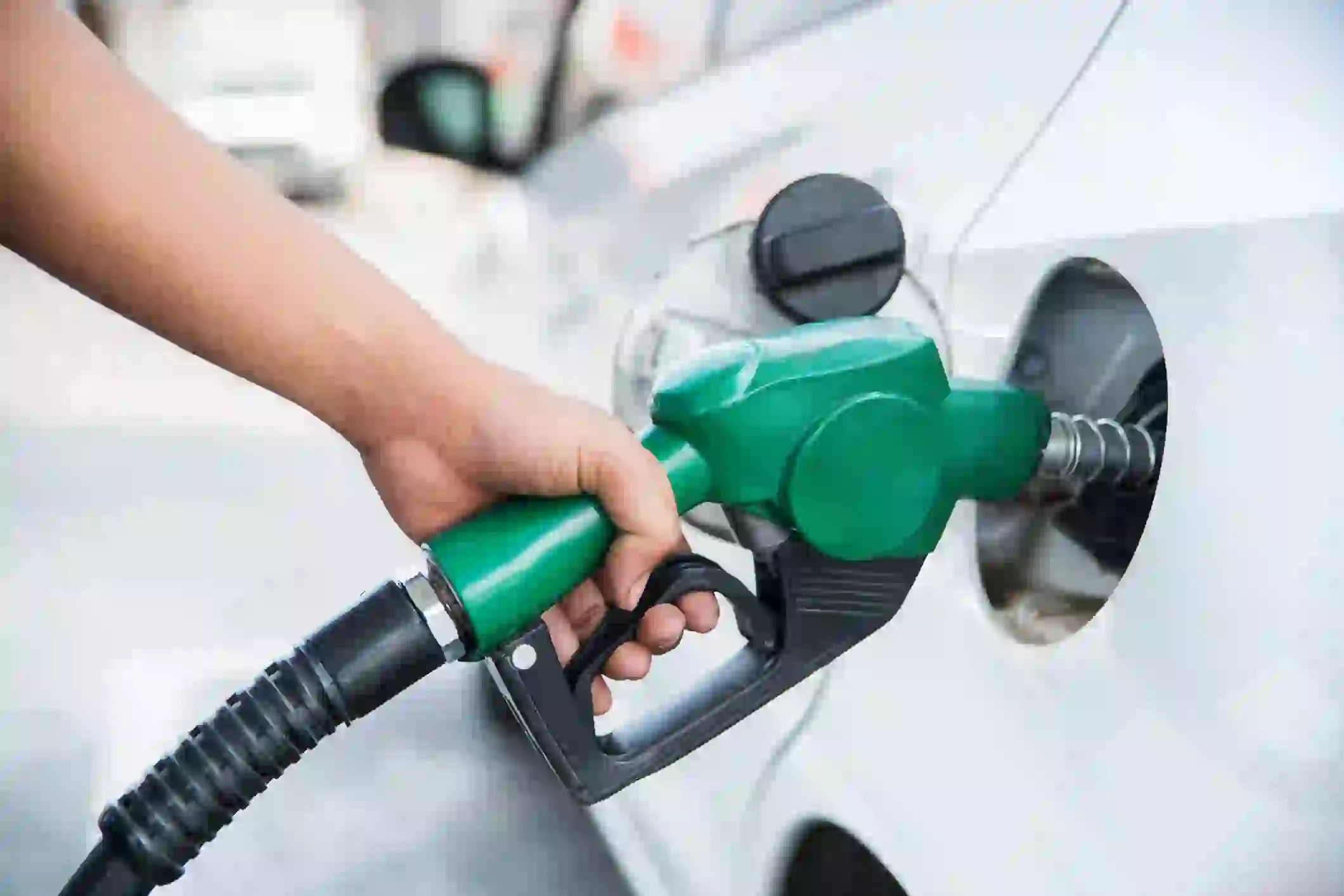
Grenada fuel prices remain one of the most important economic indicators in the Eastern Caribbean as imported fuel dependency, transportation costs, and tourism activity continue shaping inflation and household affordability across the island nation. Gasoline, diesel, and kerosene prices directly affect transportation expenses, electricity generation, food distribution, tourism operations, and consumer spending patterns throughout Grenada’s economy.
As a small island state heavily dependent on imported petroleum products, Grenada remains highly exposed to global oil market fluctuations and international shipping costs. Fuel pricing therefore plays a central role in transportation logistics, tourism competitiveness, and the broader cost of living.
Fuel are any materials that can react with other substances to release energy as thermal energy or to be used for work. The concept was originally applied solely to those materials capable of releasing chemical energy but has since also been applied to other sources of heat energy, such as nuclear energy (via nuclear fission and nuclear fusion). The usage and pricing of gasoline (or petrol) results from factors such as crude oil prices, processing and distribution costs, local demand, the strength of local currencies, local taxation or subsidy, and the availability of local sources of gasoline (supply). Since fuels are traded worldwide, the trade prices are similar.
Read Also: Dominica Fuel Prices and Energy Costs
The tourism industry, which remains one of Grenada’s key economic sectors, relies heavily on stable fuel supply for aviation services, marine transportation, hospitality operations, and commercial logistics. Rising fuel prices can therefore affect everything from airline operations to hotel costs and household utility expenses.
Grenada fuel prices also carry broader implications for inflation, import costs, economic growth, and long-term energy security as the country continues exploring renewable energy opportunities and sustainable infrastructure development.
Current Fuel Prices in Grenada
The table below shows the latest available fuel prices in Grenada.
| Fuel Type | Date | Price (XCD) | Price (USD) | Unit |
|---|---|---|---|---|
| Gasoline (Octane-95) | 18 May 2026 | 3.74 | 1.384 | Per liter |
| Diesel | 18 May 2026 | 3.74 | 1.384 | Per liter |
| Kerosene | 18 May 2026 | 3.68 | 1.362 | Per liter |
Gasoline and diesel prices currently remain identical, while kerosene prices remain slightly lower.
Grenada’s Energy Market and Fuel Dependence
Grenada imports most petroleum products used for transportation, electricity generation, and industrial activity.
Imported Fuel Dependency
The island’s fuel market remains heavily influenced by global crude oil prices and international shipping conditions.
Electricity Generation Challenges
Diesel and fuel-based electricity generation continue playing an important role in the country’s power infrastructure.
Tourism-Driven Energy Demand
Tourism facilities, hotels, transportation providers, and marine operations consume significant fuel volumes throughout the year.
Why Fuel Prices in Grenada Are Rising or Falling
Several major factors influence Grenada fuel prices.
Global Oil Prices
International crude oil markets remain the largest driver of domestic gasoline and diesel pricing.
Shipping and Import Costs
Fuel products must be transported to the island, increasing logistics and distribution expenses.
Tourism Activity
Stronger tourism demand can increase transportation and fuel consumption across the economy.
Infrastructure Costs
Maintaining storage, transportation, and electricity infrastructure increases overall operational expenses.
Government Pricing Policies
Authorities monitor fuel pricing closely because transportation and utility costs directly affect inflation and household affordability.
Gasoline Prices in Grenada
Gasoline prices currently average 3.74 XCD per liter or approximately $1.384 USD per liter.
Read Also: Colombia Fuel Prices and Electricity Costs
Transportation Costs
Gasoline prices directly affect taxis, tourism transportation, private vehicle use, and household commuting expenses.
Consumer Spending Effects
Higher fuel prices reduce disposable income and contribute to inflationary pressure.
Tourism Mobility
Tour operators, rental car companies, and airport transportation providers monitor gasoline pricing trends closely.
Diesel Prices in Grenada
Diesel currently costs approximately 3.74 XCD per liter.
Freight and Logistics
Diesel remains essential for cargo transportation, marine services, agriculture, and commercial logistics operations.
Electricity and Backup Power
Diesel-powered generators remain important for maintaining electricity reliability during outages and emergencies.
Food Distribution Costs
Higher diesel prices increase shipping and retail transportation expenses across the island economy.
Kerosene Prices in Grenada
Kerosene currently averages 3.68 XCD per liter.
Household Energy Usage
Some households continue relying on kerosene for cooking and lighting applications.
Commercial and Marine Applications
Kerosene-related fuel products remain important for aviation and marine sectors connected to tourism and trade.
Affordability Concerns
Fuel affordability remains important for low- and middle-income households.
Electricity Prices and Energy Infrastructure in Grenada
Although updated electricity pricing data was not provided, electricity costs remain a major economic concern in Grenada.
Imported Fuel-Based Power Generation
Electricity generation continues depending significantly on imported petroleum products.
Renewable Energy Potential
Grenada continues exploring renewable energy opportunities including solar and geothermal development.
Climate and Hurricane Risks
Extreme weather events remain major risks for electricity infrastructure and fuel supply systems.
Commercial Electricity Demand
Hotels, restaurants, retail businesses, and tourism facilities require stable electricity supply for operations.
How Grenada Compares to Other Countries
Grenada fuel prices remain broadly aligned with many Eastern Caribbean island economies.
Compared With Barbados
Both countries experience relatively high imported fuel costs and electricity expenses.
Compared With Trinidad and Tobago
Trinidad and Tobago benefits from domestic oil and natural gas production, resulting in lower energy costs in many sectors.
Compared With Jamaica
Grenada and Jamaica both face imported fuel dependency and elevated transportation costs.
Compared With Global Averages
Fuel prices remain relatively high compared with many mainland economies because of island logistics costs.
Economic Impact of Fuel Prices in Grenada
Energy prices strongly influence Grenada’s broader economy.
Tourism Sector Costs
Hotels, airlines, restaurants, and transportation providers face higher operating expenses when fuel prices rise.
Household Budgets
Fuel and utility costs consume a significant share of household income.
Inflation and Food Prices
Transportation fuel prices directly affect shipping, imports, and food distribution costs.
Business Operating Expenses
Commercial businesses closely monitor transportation and electricity costs because of their impact on profitability.
Economic Growth
Stable energy infrastructure remains important for tourism development and investment.
Government Policies Affecting Fuel Prices
Government policy remains central to Grenada’s energy market.
Fuel Pricing Oversight
Authorities monitor retail fuel pricing structures to manage inflationary pressure.
Renewable Energy Investment
Grenada continues encouraging solar and renewable energy projects.
Infrastructure Modernization
Electricity grid improvements and energy resilience remain strategic priorities.
Climate Resilience Goals
Sustainable energy development forms part of broader climate adaptation and resilience planning.
Read Also: Brazil Fuel Prices and Electricity Costs
Future Fuel Price Forecast for Grenada
The outlook for Grenada fuel prices depends heavily on global energy markets and tourism demand.
Oil Market Trends
International crude oil prices will continue influencing gasoline and diesel affordability.
Tourism Growth
Tourism expansion is expected to increase transportation and energy consumption.
Renewable Energy Expansion
Further solar and clean energy investment may improve long-term energy stability.
Climate Risks
Hurricanes and severe weather events remain significant risks for fuel supply chains and electricity infrastructure.
Frequently Asked Questions About Fuel Prices in Grenada
Why are fuel prices high in Grenada?
Grenada fuel prices are influenced by imported fuel dependency, shipping costs, and global oil market volatility.
What is the current gasoline price in Grenada?
Gasoline prices currently average 3.74 XCD per liter or approximately $1.384 USD per liter.
Why are gasoline and diesel prices the same in Grenada?
Government pricing structures and import conditions can result in similar retail pricing for both fuels.
Does Grenada produce oil or natural gas?
No. Grenada imports most petroleum products used across the economy.
Is Grenada investing in renewable energy?
Yes. Grenada continues pursuing renewable energy and electricity diversification projects.
Are fuel prices expected to rise in Grenada?
Future prices will depend largely on global oil markets, tourism demand, and transportation costs.
Conclusion
Grenada fuel prices remain closely tied to imported fuel dependency, tourism demand, transportation costs, and global oil market conditions. Gasoline, diesel, and kerosene prices continue influencing inflation, household affordability, tourism competitiveness, and broader economic conditions across the island economy.
Although Grenada faces many of the energy challenges common to small Caribbean states, renewable energy investment and infrastructure modernization provide important long-term opportunities for improving energy resilience and reducing dependence on imported petroleum products.
Looking ahead, Grenada’s energy future will depend on balancing fuel affordability, renewable energy expansion, tourism growth, and climate resilience investment. Monitoring Grenada fuel prices therefore remains essential for understanding both consumer conditions and the broader transformation of the island’s energy sector.
Read Also: Barbados Fuel Prices and Electricity Costs


