


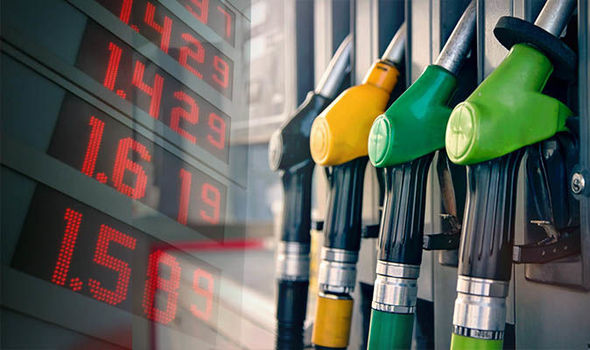
Brazil fuel prices remain one of the most influential economic indicators in Latin America as transportation costs, oil production, ethanol demand, and electricity pricing continue shaping inflation and industrial competitiveness across the country. Gasoline, diesel, ethanol, electricity, and natural gas prices directly affect transportation expenses, food distribution, manufacturing, agriculture, mining, and household budgets in South America’s largest economy.
As one of the world’s major oil producers and biofuel leaders, Brazil occupies a unique position in global energy markets. The country combines substantial offshore oil production with one of the world’s most advanced ethanol industries, creating a diversified fuel system that differs significantly from many other economies.
Fuel are any materials that can react with other substances to release energy as thermal energy or to be used for work. The concept was originally applied solely to those materials capable of releasing chemical energy but has since also been applied to other sources of heat energy, such as nuclear energy (via nuclear fission and nuclear fusion). The usage and pricing of gasoline (or petrol) results from factors such as crude oil prices, processing and distribution costs, local demand, the strength of local currencies, local taxation or subsidy, and the availability of local sources of gasoline (supply). Since fuels are traded worldwide, the trade prices are similar.
Read Also: Barbados Fuel Prices and Electricity Costs
Brazil’s energy sector also benefits from extensive hydroelectric generation, though electricity pricing remains affected by weather conditions, infrastructure investment, transmission costs, and industrial demand. At the same time, rising urbanization and industrial growth continue increasing overall energy consumption nationwide.
Brazil fuel prices therefore provide important insight into inflation trends, transportation costs, industrial competitiveness, renewable fuel adoption, and the broader direction of the country’s economy.
Current Fuel Prices in Brazil
The table below shows the latest available fuel and energy prices in Brazil.
| Fuel Type | Date | Price (BRL) | Price (USD) | Unit |
|---|---|---|---|---|
| Gasoline (Octane-95) | 18 May 2026 | 6.66 | 1.315 | Per liter |
| Diesel | 18 May 2026 | 7.00 | 1.383 | Per liter |
| Ethanol | 18 May 2026 | 4.38 | 0.865 | Per liter |
| Electricity (Households) | 1 Sept 2025 | 0.91 | 0.180 | Per kWh |
| Electricity (Business) | 1 Sept 2025 | 0.789 | 0.156 | Per kWh |
| Natural Gas (Households) | 1 Sept 2025 | 1.102 | 0.218 | Per kWh |
| Natural Gas (Business) | 1 Sept 2025 | 0.524 | 0.103 | Per kWh |
Diesel prices currently remain slightly higher than gasoline prices, while ethanol continues offering a cheaper alternative fuel option for Brazilian consumers.
Current Electricity Prices in Brazil
Electricity pricing remains one of the most important economic issues for households, businesses, and industrial sectors across Brazil. Residential electricity currently averages 0.91 BRL per kWh, while businesses pay approximately 0.789 BRL per kWh.
Residential Electricity Costs
Brazilian households rely heavily on electricity for refrigeration, cooling, appliances, telecommunications, and modern urban living.
Electricity affordability remains politically sensitive because utility bills directly affect millions of households across both urban and rural regions.
Business Electricity Costs
Commercial electricity rates strongly influence manufacturing, mining, agriculture processing, logistics, and digital infrastructure.
Brazil’s industrial sector depends heavily on stable electricity supply because energy costs affect export competitiveness and production efficiency.
Hydroelectric Dependence
Brazil generates much of its electricity from hydroelectric power stations, making weather conditions and reservoir levels highly important for electricity pricing.
Current Natural Gas Prices in Brazil
Natural gas remains an increasingly important part of Brazil’s energy system.
Current natural gas prices are:
- Household natural gas: 1.102 BRL per kWh
- Business natural gas: 0.524 BRL per kWh
Residential Natural Gas Usage
Natural gas is used for cooking, heating, and household energy applications in urban areas.
Industrial Demand
Industries rely heavily on natural gas for manufacturing, power generation, and industrial processes.
Offshore Energy Development
Brazil’s offshore oil and gas fields continue expanding domestic energy production capacity.
Why Fuel Prices in Brazil Are Rising or Falling
Several major factors influence Brazil fuel prices.
Global Oil Prices
International crude oil markets remain a major driver of gasoline and diesel pricing.
Petrobras Pricing Policies
State-controlled oil giant Petrobras plays a major role in domestic fuel pricing structures.
Ethanol Market Dynamics
Brazil’s large ethanol industry influences gasoline demand and transportation fuel affordability.
Currency Exchange Rates
The Brazilian real’s performance against the U.S. dollar strongly affects fuel import and export economics.
Transportation and Distribution Costs
Brazil’s large geographic size increases fuel transportation and logistics expenses.
Gasoline Prices in Brazil
Gasoline prices currently average 6.66 BRL per liter or approximately $1.315 USD per liter.
Read Also: Uruguay Fuel Prices and Electricity Costs
Transportation Costs
Gasoline prices directly influence commuting expenses, logistics operations, and household transportation costs.
Urban Mobility
Major cities such as São Paulo and Rio de Janeiro experience massive transportation demand, making fuel pricing especially important economically.
Inflationary Effects
Transportation fuel costs strongly affect inflation because logistics expenses influence food distribution and retail pricing.
Diesel Prices in Brazil
Diesel currently costs approximately 7.00 BRL per liter.
Agriculture and Freight Dependence
Brazil’s agriculture sector and export economy rely heavily on diesel-powered transportation and machinery.
Trucking and Logistics
Freight transportation remains essential for moving agricultural exports, manufactured goods, and industrial products across the country.
Industrial Competitiveness
Diesel prices directly affect export logistics and manufacturing costs.
Ethanol Prices in Brazil
Ethanol currently averages 4.38 BRL per liter, making it substantially cheaper than gasoline.
Brazil’s Biofuel Leadership
Brazil is one of the world’s largest ethanol producers, primarily using sugarcane-based biofuel production.
Flex-Fuel Vehicles
Millions of Brazilian vehicles can operate using either gasoline or ethanol, giving consumers greater fuel choice flexibility.
Renewable Energy Benefits
Ethanol helps reduce fossil fuel dependence and supports Brazil’s renewable energy transition.
Electricity Prices and Power Costs
Electricity remains central to Brazil’s industrial growth and economic development.
Hydroelectric Generation
Hydropower remains the backbone of Brazil’s electricity sector.
Renewable Energy Expansion
Wind and solar energy investment continue growing rapidly across the country.
Industrial Electricity Demand
Mining, steel, manufacturing, agriculture, and data centers consume enormous electricity volumes.
Climate and Drought Risks
Drought conditions can affect hydroelectric reservoir levels and increase electricity generation costs.
How Brazil Compares to Other Countries
Brazil fuel prices remain relatively competitive compared with many regional economies.
Compared With Argentina
Argentina maintains stronger fuel subsidy policies and government intervention.
Compared With Chile
Chile generally experiences higher imported fuel costs because of limited domestic oil production.
Compared With the United States
Brazil’s ethanol market creates unique pricing dynamics compared with the U.S. fuel system.
Compared With Global Averages
Brazil’s renewable electricity and ethanol sectors make its energy mix more diversified than many countries.
Economic Impact of Fuel Prices in Brazil
Energy prices strongly influence Brazil’s broader economy.
Inflation and Consumer Costs
Transportation and electricity expenses directly affect inflation and household budgets.
Agriculture Export Competitiveness
Brazil’s global agricultural exports depend heavily on stable diesel and logistics costs.
Industrial Production
Manufacturing and mining sectors require reliable electricity and transportation fuel supply.
Household Budgets
Fuel and utility expenses consume a meaningful share of household income.
Economic Growth
Energy infrastructure remains critical for industrial expansion and long-term development.
Government Policies Affecting Fuel Prices
Government policy remains central to Brazil’s energy sector.
Petrobras Pricing Strategy
Fuel pricing policies involving Petrobras significantly influence domestic fuel markets.
Biofuel Policies
Authorities continue supporting ethanol production and renewable fuel usage.
Renewable Energy Expansion
Brazil continues investing in wind, solar, and transmission infrastructure.
Offshore Oil Development
Pre-salt offshore oil production remains strategically important for national energy policy.
Future Fuel Price Forecast for Brazil
The outlook for Brazil fuel prices depends heavily on global oil markets, ethanol production, and electricity demand growth.
Oil Market Trends
International crude oil prices will continue influencing gasoline and diesel affordability.
Ethanol Expansion
Biofuel production may continue helping moderate transportation fuel costs.
Renewable Energy Growth
Wind and solar investment are expected to strengthen electricity diversification.
Industrial and Transport Demand
Economic growth and export expansion are expected to maintain strong energy demand.
Frequently Asked Questions About Fuel Prices in Brazil
Why are fuel prices important in Brazil?
Fuel prices affect transportation, agriculture, exports, inflation, manufacturing, and household affordability.
What is the current gasoline price in Brazil?
Gasoline prices currently average 6.66 BRL per liter or approximately $1.315 USD per liter.
Why is ethanol cheaper than gasoline in Brazil?
Brazil’s large sugarcane ethanol industry allows ethanol to remain a cheaper alternative fuel option.
Read Also: Haiti Fuel Prices and Energy Costs
Does Brazil produce oil and natural gas?
Yes. Brazil is one of the world’s major offshore oil and natural gas producers.
Why is hydroelectric power important in Brazil?
Hydropower supplies a large share of Brazil’s electricity generation capacity.
Are fuel prices expected to rise in Brazil?
Future prices will depend on oil markets, ethanol production, exchange rates, and energy demand trends.
Conclusion
Brazil fuel prices remain deeply connected to global oil markets, ethanol production, offshore energy development, transportation demand, and renewable electricity generation. Gasoline, diesel, ethanol, electricity, and natural gas prices continue influencing inflation, industrial competitiveness, household affordability, and export performance across Latin America’s largest economy.
Brazil’s unique combination of oil production, biofuel leadership, and renewable electricity generation provides major long-term energy advantages. Ethanol flexibility, hydroelectric power, and expanding solar and wind investment continue strengthening the country’s energy resilience and diversification.
Looking ahead, Brazil’s energy future will depend on balancing fuel affordability, industrial growth, renewable energy expansion, and infrastructure modernization. Monitoring Brazil fuel prices therefore remains essential for understanding both domestic economic conditions and the broader evolution of global energy markets.


